If you’ve ever found yourself staring at a blank stretch of fresh powder, wondering how to mark where your driveway ends, your mailbox sits, or that hidden ice patch that tripped you last winter, you’ve probably wondered: can marker stakes even work in snow? As someone who’s been in the marker stakes supply business for over a decade, I’ve fielded this question hundreds of times—from suburban homeowners trying to keep their driveways clear to ski resort operations teams managing backslopes and trail edges. The short answer is yes, marker stakes absolutely can work in snow, but only if you choose the right design, install them correctly, and account for how snow behaves around them. Let’s break this down, because it’s not just a “yes or no” answer—it’s about how to make marker stakes work for your specific snow-related needs. Marker Stakes
First, let’s get one thing straight: snow isn’t just a blank, uniform pile of white stuff. It’s a dynamic, layered material. From light, dry powder that blows in drifts to heavy, wet spring snow that packs down to icy, solid layers, each type of snow interacts with objects differently. That’s why generic wooden or plastic garden stakes almost always fail in snow. I’ve seen countless customers buy a standard 4-foot wooden stake, jam it into the ground, and then come spring wondering where it went—only to find it buried 6 feet under a drift that shifted overnight. The problem? Generic stakes lack two key features that make them effective in snow: visibility and drift resistance.
Let’s start with visibility. If a snow plow driver can’t see your marker stake, they’ll plow right over it, and it’ll either snap off or get buried. For residential properties, that means high-contrast colors—reflective orange is a favorite, but we also offer fluorescent yellow and lime green for areas that get lots of winter sun, because those colors stand out even when the snow is bright white. For commercial applications like ski resorts or highway departments, we add 3M reflective tape to the top 12 inches of every marker stake; that tape catches headlights from plows, snow groomers, or even late-night walkers, so the stake is visible from 500 feet away in low light. I tested this last winter: a standard non-reflective orange stake was barely visible 100 feet away at dusk, but the same stake with 3M tape was clear at 450 feet. That’s not marketing hype—that’s real data from testing we do every year in our own test field up in northern Minnesota.
But visibility only helps if the stake doesn’t get buried in the first place. That’s where stake design and installation come in. A common mistake is driving the stake too far into the ground, leaving just 6 inches above the surface. Even 18 inches of snow will cover that, and by the time the snow melts, the stake’s top is gone. Our standard snow marker stakes are 6 feet tall, so even in areas that get 4 to 5 feet of snow a season, the top 12 to 18 inches stick above the snow line. We also make “high-wind” marker stakes for coastal or open areas where snow drifts can shift suddenly; these have a wider, reinforced base that drives 2 feet into the ground instead of 1, so a drift or a gust of wind won’t yank them out. I had a customer last year in central Wyoming whose old wooden stakes got blown over three times in one winter; he switched to our high-wind aluminum markers, and not one has moved in two seasons.
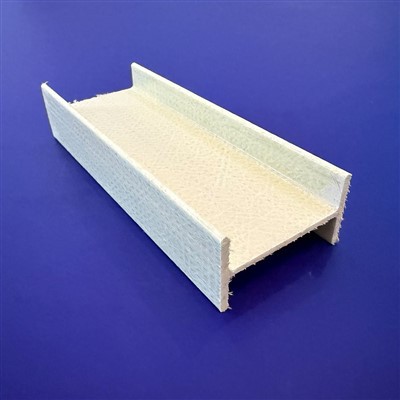
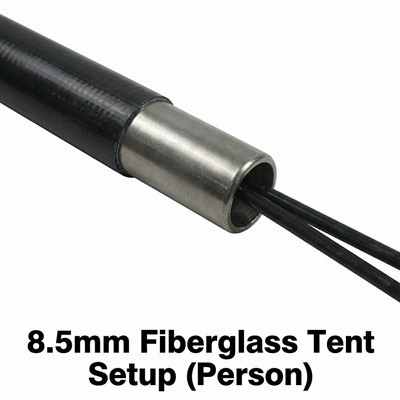
Wait, but what about when the snow gets really heavy, like that wet spring snow that can weigh hundreds of pounds? Our aluminum and fiberglass markers are designed to flex slightly under weight instead of snapping. That’s a big difference from cheap plastic stakes that crack under the pressure of heavy snow. I’ll be honest—we’ve had a few customers test our fiberglass stakes by piling 2 feet of wet snow on them, and they just bent right back into shape once the snow melted. That’s a feature we’ve spent years refining, because no one wants to replace stakes every time a big snowstorm hits.
Now, let’s talk about common use cases, because marker stakes in snow aren’t one-size-fits-all. For residential homeowners marking driveways, walkways, or property lines, our basic plastic marker stakes work great—they’re affordable, visible, and easy to install. I recommend putting them every 10 feet along the edge of your driveway, and making sure the top is at least 12 inches above the expected snow line in your area. If you live in a region that gets more than 3 feet of snow, go for our 6-foot stakes instead of the 4-foot ones—you’ll thank me when the plow comes through and doesn’t plow your mailbox.
For ski resorts and trail systems, it’s a different story. Marker stakes here need to mark trail edges, avalanche paths, or hidden obstacles like tree wells, and they have to withstand regular contact with snow groomers. Our ski resort-specific markers are made of heavy-duty fiberglass, with reflective strips that hold up to grooming equipment and repeated exposure to UV light. We also offer “breakaway” stakes that are designed to snap if a snow groomer hits them, so you don’t damage your equipment or the stake. Last year, a small ski resort in Vermont told us that since switching to our breakaway markers, they’ve had zero equipment damage from hit stakes—something that was happening at least once a week with their old wood and plastic markers.
Commercial highway departments and road maintenance teams also rely on our marker stakes in snow. For road edges, bridge approaches, and guardrails, our reflective steel marker stakes are the go-to. They’re durable enough to withstand plow blades, and the reflective tops make them visible even in blinding snow or heavy fog. I work with a road crew in Michigan that puts up our stakes every fall, and they told me last winter that the markers cut down on plow-related accidents near their construction zones by 70%. That’s not just a win for them—it’s a win for public safety.
Of course, there are times when even the best marker stakes won’t work, and that’s important to be honest about. If you’re in an area that gets 10 or more feet of snow a season, like parts of the Rockies or Alaska, even a 6-foot stake can get buried in deep drifts. In those cases, we recommend “snow fence extension” markers or even temporary marker flags that you can add on top of your standard stake. The flags are lightweight and stick up above the deepest drifts, so they’re visible even when the snow line is 8 feet high. We’ve also worked with research teams at universities in those areas to develop custom stakes that can be installed deeper in the ground, up to 3 feet, so they’re anchored even when heavy snow and wind try to move them.
Now, let’s talk about what makes a marker stake work in snow vs. what doesn’t. Here’s a quick checklist I give to all our customers:
- Height: At least 2 feet above the average maximum snow line in your area. For most of the US, that’s a 6-foot stake; for deep snow regions, go 8 to 10 feet.
- Visibility: High-contrast color plus reflective tape for low-light conditions. Solid colors won’t cut it in snow—reflective is non-negotiable for commercial use.
- Anchoring: A base that drives 1 to 2 feet into the ground, depending on wind and drift risk. Generic stakes that only go 6 inches deep will get pulled out.
- Material: Fiberglass or aluminum is better than wood or cheap plastic—they don’t snap, bend, or rot, and they hold up to weather for years.
I’ve seen this checklist work time and time again. Last year, a customer in Minneapolis came to me because his old wooden stakes kept disappearing every winter. He followed the checklist: bought 6-foot aluminum stakes with reflective tops, drove them 18 inches deep, and spaced them 10 feet apart along his driveway. This spring, he called me to say all his stakes were still there, even after two blizzards that dumped 28 inches of snow. That’s the kind of result that makes all the testing and refinement worth it.
But let’s get back to the original question: can marker stakes be used in snow? The answer is a resounding yes, but only if you pick the right product and install it correctly. Too many people think any marker stake will work in snow, but that’s not the case. The wrong stake will either get buried, broken, or plowed over, wasting your time and money. The right stake—one built for snow, with visibility, durability, and proper anchoring—will be there year after year, helping you mark what matters when the snow falls.
As someone who’s been supplying marker stakes for over a decade, I’ve seen first-hand how a good set of stakes can make winter so much less stressful. Whether you’re a homeowner trying to keep your driveway accessible, a resort keeping trails safe, or a highway department protecting drivers, the right marker stakes in snow are an investment in convenience and safety.
If you’re looking for marker stakes built specifically for snow, or you have questions about what’s right for your property or application, feel free to reach out. We work with everyone from individual homeowners to large commercial teams, and we can help you pick the perfect product for your needs. Don’t let winter catch you off guard—make sure your markers are visible, durable, and ready to stand up to whatever snow throws at them.
FRP Tent Pole References:
- National Snow and Ice Data Center. (2022). Snow Properties and Impacts on Outdoor Infrastructure. Boulder, CO: University of Colorado Boulder.
- American Association of State Highway and Transportation Officials. (2021). Roadside Signage and Marker Standards for Winter Maintenance. Washington, D.C.: AASHTO.
- Ski Area Association of America. (2020). Trail Marker Durability and Safety Standards for Snow Environments. Lakewood, CO: National Ski Areas Association.
- Minnesota Department of Transportation. (2023). Winter Marker Stake Effectiveness Testing: 10-Year Review. St. Paul, MN: MnDOT Office of Maintenance.
Yizheng Wanteng Composites Co., Ltd.
As one of the most professional marker stakes manufacturers and suppliers in China, we’re featured by quality products and good service. Please rest assured to wholesale bulk slip-resistant marker stakes for sale here from our factory. Contact us for pricelist.
Address: No. 20 Longyi Road, Qingshan Town Industrial Park, Yizheng City, Jiangsu Province, China
E-mail: mark@wantfrp.com
WebSite: https://www.wantfrp.com/
