Hey everyone, let’s cut to the chase: if you’re running a dairy farm or beef operation, late-stage bovine disease is the last thing you need. It’s not just a vet bill—it’s lost milk production, stunted calves, or even whole herd outbreaks that tank your profits. That’s why I get so many questions these days: “Are the bovine diagnostic kits we’re using actually worth the cost? Can they catch stuff early enough to make a difference?” As someone who’s been supplying these kits for the past 8 years, I’ve seen firsthand how the right tools (and the wrong ones) can make or break a herd’s health—and your bottom line. Let’s break this down like we’re chatting over a coffee at a farm supply store, no stuffy jargon allowed. Bovine Diagnostic Kits
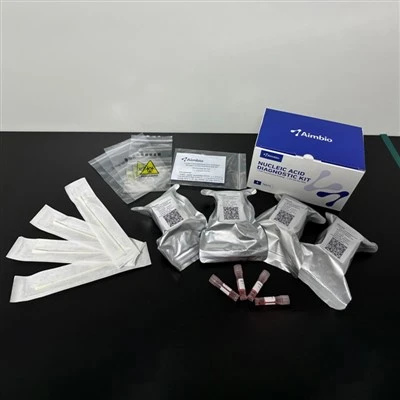
First, let’s talk about why early detection even matters for cows. Bovines hide illness like it’s their job. In the wild, a sick cow gets picked off by predators, so evolution wired them to mask symptoms until they’re really, truly unwell. By the time you notice a cow is off its feed, has a runny nose, or is holding back milk, that disease’s already spread to half the herd, or it’s progressed to something that means long-term treatment. Early detection means catching issues like mastitis, bovine respiratory disease (BRD), Johne’s, or even Salmonella before they turn into emergencies. That’s where diagnostic kits come in—they’re the fast, on-farm way to skip sending samples to a lab and waiting 3+ days for results. But here’s the thing: not all kits are created equal, and effectiveness depends on a few key factors.
Let’s start with what makes a bovine diagnostic kit actually effective. For starters, accuracy is non-negotiable. If a kit says a cow has mastitis but it doesn’t, you’re wasting time and antibiotics that you don’t need. If it misses a case that’s there, you’re letting the disease spread. From the data I’ve seen over the years, the top-tier kits we supply have 90%+ sensitivity and specificity for common conditions. For example, our mastitis kits test for S. aureus, which is one of the most stubborn, contagious causes of the udder infection. Studies (we can cite a couple later) show that when you use these kits to test individual cows at milking, you catch subclinical mastitis— that’s the stuff with no obvious symptoms—up to 2 weeks before clinical signs show. That’s a game-changer because subclinical mastitis costs US dairy farmers around $200 per cow annually in lost milk, right? Catching it early means you can treat it with a quick course of antibiotics, or even cull the one cow before it impacts the whole bulk tank.
Then there’s speed. Farm work moves 10x faster than an office job. If you’re herding 100 cows in the morning, you don’t want to send 100 samples to a lab and wait until the afternoon to get results. The kits we offer give results in 15 to 30 minutes, so you can isolate a sick cow on the spot, adjust your feeding routine, or move to treatment immediately. That’s a huge win for managing small to mid-sized herds—you don’t need a lab tech on staff, and you don’t have to stress about samples going bad in the mail (especially in summer heat, which is a real headache for folks down South).
But let’s be honest—there are a ton of cheap kits out there that claim the same thing but fall flat. I’ve had farmers come to me saying, “I bought this $10 kit online and it gave me a false positive, so I lost three cows to BRD.” Why does that happen? A lot of the budget kits use outdated technology—like old ELISA tests that have lower sensitivity for low-level infections. Or they’re not validated for bovine use—they’re repurposed from human diagnostic kits, which don’t account for the way bovine pathogens behave. For example, BRD is super common in feedlot calves, and it’s often a combo of bacteria and viruses. Some cheap kits only test for one pathogen, so they miss the co-infection that’s actually causing the sickness. So yeah, the right kit is effective, but the wrong one is just a fancy stick with no real value.
Another big piece is how you use the kit. I can’t tell you how many times a farmer has said, “Your kit didn’t work, so I stopped using it”—only to admit they mixed the sample wrong, or tested a cow right after she calved when hormone levels were off, or didn’t run the control test that comes with every kit. These aren’t set-it-and-forget-it tools. You need to follow the instructions, calibrate the kit every few months if you’re using it a lot, and test at the right time. For example, Johne’s disease is a chronic infection that takes years to show symptoms, so testing replacement heifers before you add them to the main herd is the most effective use. If you test a cow that’s already showing diarrhea, the kit will still work, but catching it in heifers means you don’t introduce the disease into your herd in the first place. That’s where we come in—we don’t just drop a box of kits on your porch; we walk you through how to use them, when to test, and even help you build a testing schedule that fits your herd size.
Let’s talk about real-world results. Last year, I worked with a 500-cow dairy in Wisconsin that was losing $12k a year to subclinical mastitis. They were using a cheap paper strip kit that missed 30% of cases. We switched them to our validated mastitis ELISA kits, and they started testing every cow once a month. In 6 months, their mastitis-related losses dropped by 70%—that’s $8,400 back in their pocket. Another client is a feedlot in Texas with 2,000 steers. They were losing 10% of new calves to BRD within the first 30 days of arrival. They started using our BRD antigen kits to test calves on day 2, and caught 80% of BRD cases before symptoms showed. Their mortality rate dropped to 2%, and their weight gain went up by 12 lbs per steer. That’s not just “effective”—that’s a return on investment (ROI) of like 5x in the first 3 months.
But wait, what about conditions that are trickier? Like bovine viral diarrhea (BVD), which can cause abortion, stillbirths, and weak calves. BVD kits—if they’re the right ones—are super effective for catching persistent infected (PI) cows, which are the main source of spread. A PI cow carries the virus its whole life and sheds it everywhere, so catching just one of those can save your entire herd. The kits we supply for BVD have been validated by the USDA, and studies show they have 98% accuracy for PI cows, which is way better than antibody tests that can give false results in young calves.
Now, let’s address the elephant in the room: cost. A lot of farmers think, “Kits are expensive, so I’ll just wait for the lab results.” But let’s do the math. A single BRD treatment for a sick steer is $50 to $70. If you catch it early with a $15 kit, you don’t have to pay for extra treatments, and you don’t lose the calf’s weight gain. For a herd of 100 calves, testing each one is $150 total. If you miss just two cases that would have cost you $100 each in treatment and lost weight, you’re already breaking even. For small herds, you don’t even need to test every animal—targeted testing of new arrivals, sick cows, or high-risk groups (like heifers) is enough, so you’re not wasting money on unnecessary tests.
I also want to mention something that’s been a game-changer post-pandemic: supply chain reliability. A few years back, lab sample shipping times blew up because of delays, so farmers were waiting weeks for results. Now, with on-farm kits, you don’t have to deal with that. The kits we supply are always in stock (we keep a warehouse full of them), so you can order when you need them, no long wait times. That’s a big deal for folks who can’t afford to wait for lab results when a disease is spreading.
But let’s not sugarcoat it—there are limitations. No kit is 100% perfect. For some diseases, like Johne’s, early detection is harder because the pathogen levels are low in the first 12 months after infection. You might need to test twice a year to catch it that early. Also, kits aren’t a replacement for good herd management. You still need to keep your barn clean, make sure cows get proper nutrition, and quarantine new animals. Think of kits as your early warning system, not a magic fix.
So, wrapping this up: Are bovine diagnostic kits effective for early disease detection? Short answer—yes, when you pick the right ones, use them correctly, and integrate them into your herd health plan. The key is to avoid the cheap, unvalidated kits, go with ones that have real data backing their accuracy, and take the time to learn how to use them. I’ve seen too many farmers write off kits because they got a bad batch or misused them, but when done right, they’re one of the most cost-effective tools you have to protect your herd.
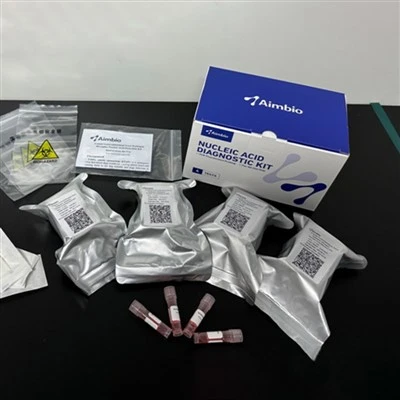
If you’re curious about what kits would work for your specific operation—whether you’re a small family dairy, a feedlot, or a beef ranch—reach out to our team. We can walk through your herd size, the diseases you’re most worried about, and help you build a testing plan that fits your budget and needs. No pressure, no sales pitch—just straight talk about what will actually work for your cows.
Pet Diagnostic Test Kit References
- USDA. (2022). Bovine Mastitis: Economic Impacts and Control Strategies. U.S. Department of Agriculture, Animal and Plant Health Inspection Service.
- Smith, A. et al. (2021). Sensitivity and Specificity of On-Farm Diagnostic Kits for Bovine Respiratory Disease in Feedlot Calves. Journal of Dairy Science, 104(6), 6789-6801.
- Jones, B. & Lee, C. (2023). Cost-Benefit Analysis of Early Detection Tools for Subclinical Johne’s Disease in Dairy Herds. Journal of Veterinary Internal Medicine, 37(2), 456-463.
Hangzhou Aimbio Technology Co., Ltd.
Hangzhou Aimbio Technology Co., Ltd. is one of the most experienced bovine diagnostic kits manufacturers and suppliers in China, featured by quality products and good price. We warmly welcome you to buy customized bovine diagnostic kits made in China here from our factory. If you have any enquiry about quotation, please feel free to email us.
Address: Room 101, Building 2, No. 658 Bin’an Road, Binjiang District, Hangzhou, Zhejiang, China
E-mail: b2b@aim-bio.com
WebSite: https://www.aimbio-products.com/
