As a long – time supplier of machined parts, I’ve had the privilege of witnessing the astonishing capabilities of Computer Numerical Control (CNC) machining. It’s a revolutionary technology that has transformed the manufacturing industry, offering precision, repeatability, and versatility. However, like any manufacturing process, CNC machining is not without its limitations. In this blog, I’ll delve into some of the most significant constraints that we, as machined part suppliers, encounter when working with CNC machines. Machined Part
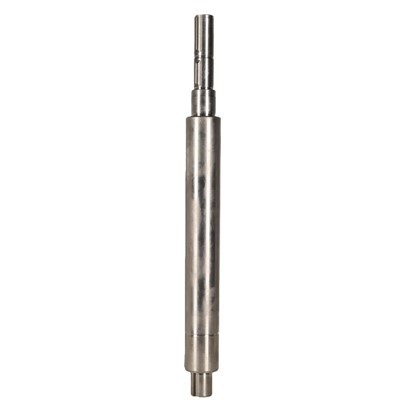
1. High Initial Investment
One of the most substantial limitations of CNC machining is the high initial investment required. Acquiring a CNC machine is not a cheap endeavor. The cost of a basic CNC milling machine can start from tens of thousands of dollars, and more advanced, multi – axis machines can cost hundreds of thousands or even millions.
Apart from the purchase price, there are also expenses related to installation, which may involve modifications to the factory floor, electrical systems, and ventilation. Additionally, training personnel to operate and program the machines is a time – consuming and costly process. For small – and medium – sized enterprises (SMEs), this high upfront cost can be a major barrier to entry, preventing them from adopting CNC machining technology.
2. Limited Material Compatibility
While CNC machining can work with a wide range of materials, including metals, plastics, and composites, there are still some limitations. Some extremely hard or brittle materials can pose challenges. For example, machining diamond or certain types of ceramics can be difficult because these materials can quickly wear down cutting tools. The high hardness of these materials requires specialized and expensive cutting tools, which increases the production cost.
On the other hand, some soft and sticky materials, such as rubber or certain polymers, can be problematic. These materials may adhere to the cutting tools, causing poor surface finish and inaccurate dimensions. Even if the right tools and machining parameters are used, the process may still be slow and inefficient, reducing overall productivity.
3. Complex Geometries and Undercuts
CNC machines are excellent at producing parts with relatively simple geometries. However, when it comes to parts with complex geometries and undercuts, the limitations become apparent. Most CNC machining operations are based on linear or rotational movements, which can make it difficult to access certain areas of a part.
For example, creating internal features with sharp corners or deep undercuts can be a challenge. In some cases, additional machining operations or special fixtures may be required, which increases the complexity and cost of the manufacturing process. Moreover, the programming for such complex parts is much more difficult and time – consuming, requiring highly skilled programmers.
4. Surface Finish and Tolerance Limitations
Although CNC machining can achieve high levels of precision, there are still limitations when it comes to surface finish and tolerance. The surface finish of a machined part is affected by factors such as the cutting tool, feed rate, and spindle speed. Even with the best settings, it may not be possible to achieve a mirror – like finish on all materials. For applications where a high – quality surface finish is required, additional finishing processes such as polishing or grinding may be necessary, which adds to the production time and cost.
In terms of tolerance, while modern CNC machines can achieve very tight tolerances, there are still factors that can affect the accuracy. Thermal expansion, tool wear, and vibration can all cause deviations from the desired dimensions. Maintaining extremely tight tolerances over long production runs can be particularly challenging, as these factors may change over time.
5. Production Volume and Cost – Efficiency
CNC machining is most cost – effective for low – to medium – volume production. For high – volume production, the cost per part can be relatively high compared to other manufacturing processes such as injection molding or die – casting. This is because CNC machining is a subtractive manufacturing process, which means that material is removed from a larger block to create the desired part.
The time required to machine each part can be relatively long, especially for complex parts. As the production volume increases, the cumulative machining time and labor cost can become significant. In contrast, processes like injection molding can produce a large number of parts quickly and at a lower cost per part once the initial mold is created.
6. Environmental Impact
CNC machining also has some environmental limitations. The process often requires the use of cutting fluids, which are used to cool the cutting tool and workpiece, reduce friction, and remove chips. However, these cutting fluids can be a source of pollution. They may contain hazardous chemicals that can contaminate the soil and water if not properly disposed of.
In addition, the energy consumption of CNC machines is relatively high. The motors, spindles, and control systems of these machines require a significant amount of electricity to operate. As the demand for sustainable manufacturing practices increases, these environmental impacts are becoming more of a concern for both manufacturers and customers.
7. Backup and Maintenance Challenges
Maintaining and backing up CNC machines is a complex task. These machines contain a large number of mechanical, electrical, and electronic components that can fail over time. Regular maintenance is required to ensure the proper functioning of the machine, including lubrication, calibration, and replacement of worn – out parts.
Moreover, the software and control systems of CNC machines need to be updated regularly to ensure optimal performance and security. Backup procedures for the machine’s programs and data are also crucial in case of system failures or data loss. Any breakdown or data loss can lead to production delays and increased costs, especially if spare parts are not readily available.
Time to Explore the Possibilities

Despite these limitations, CNC machining remains an indispensable technology in the manufacturing of machined parts. At [Company] (not provided so generic), we have developed strategies to mitigate these constraints and deliver high – quality parts to our customers. We carefully select the appropriate machining processes and materials for each project, and our experienced team of engineers and machinists works diligently to optimize the production process.
Pump Shaft If you are in the market for machined parts, I encourage you to reach out to us. We are more than happy to discuss your specific requirements, share our expertise, and provide you with a competitive quote. Whether you need a small batch of custom parts or a large – scale production run, we have the capabilities to meet your needs. Let’s start a conversation today and see how we can work together to bring your projects to life.
References
- "Modern Manufacturing Technology" by John A. Schey
- "CNC Machining Handbook" edited by Industrial Press Inc.
- "Materials for Manufacturing" by Christopher J. Ashby
Ningbo Uni-drive Technology Co., Ltd.
Ningbo Uni-drive Technology Co., Ltd. is one of the most professional machined part manufacturers and suppliers in China. Please feel free to buy cheap machined part made in China here and get pricelist from our factory. All customized products are with high quality and competitive price.
Address: Industrial Site No. 6, Jingtou Village, Sanqi Town, Yuyao City, Zhejiang Province
E-mail: admin@uni-drive.com.cn
WebSite: https://www.motordriveshaft.com/
