Hey there! I’m a supplier of cylinder kits, and I’m super stoked to chat with you about what goes into these nifty little packages. Whether you’re a mechanic, a DIY enthusiast, or just someone curious about engines, understanding the components of a cylinder kit is key. So, let’s dive right in! Cylinder Kit
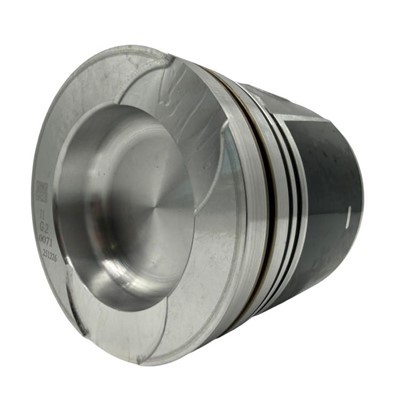
Piston
The piston is like the heart of the cylinder kit. It’s a cylindrical piece that moves up and down inside the cylinder bore. This movement is what creates the power in an engine. Pistons are usually made from aluminum alloy, which is lightweight yet strong enough to handle the high pressures and temperatures in an engine.
There are different types of pistons, like flat-top pistons, dome pistons, and dish pistons. Flat-top pistons are the simplest and are often used in stock engines. Dome pistons have a raised center, which can increase compression ratio and power. Dish pistons have a concave shape, which can be used to control the combustion process.
One important thing about pistons is the piston rings. These are thin, circular bands that fit around the piston. They serve a few crucial functions. First, they help seal the combustion chamber, preventing the high-pressure gases from leaking past the piston. This ensures that all the power generated by the combustion is used to move the piston down. Second, they help transfer heat from the piston to the cylinder wall. And third, they help control the oil consumption in the engine by scraping excess oil off the cylinder wall.
Cylinder Bore or Sleeve
The cylinder bore, or sleeve, is the cylindrical hole in which the piston moves. It needs to be extremely smooth and have precise dimensions. If the bore is too big or too small, it can cause all sorts of problems, like poor compression, excessive oil consumption, or even engine failure.
Cylinder sleeves can be made from different materials, such as cast iron or aluminum. Cast iron sleeves are very durable and can withstand high wear and tear. They also have good heat transfer properties. Aluminum sleeves are lighter, which can help reduce the overall weight of the engine. However, they may not be as durable as cast iron sleeves.
When replacing a cylinder sleeve, it’s important to make sure it’s properly installed. This usually involves honing the bore to the correct size and surface finish. Honing is a process that uses abrasive stones to create a crosshatch pattern on the cylinder wall. This pattern helps the piston rings seat properly and also helps retain oil for lubrication.
Piston Rings
We already mentioned piston rings a bit when talking about pistons, but they’re so important that they deserve their own section. There are usually three piston rings on a piston: two compression rings and one oil control ring.
The compression rings are the top two rings. Their main job is to seal the combustion chamber. They need to have a good seal to prevent the high-pressure gases from leaking past the piston. If the compression rings don’t seal properly, you’ll notice a decrease in engine power, an increase in fuel consumption, and blue or white smoke coming from the exhaust.
The oil control ring is the bottom ring. Its job is to control the amount of oil on the cylinder wall. It scrapes excess oil off the wall and returns it to the oil pan. This helps prevent oil from burning in the combustion chamber, which can cause fouled spark plugs and a decrease in engine performance.
Piston rings are usually made from cast iron or steel. They need to be properly installed in the piston ring grooves. Each ring has a specific orientation, and it’s important to follow the manufacturer’s instructions when installing them.
Wrist Pin
The wrist pin, also known as the piston pin, is what connects the piston to the connecting rod. It’s a small, cylindrical pin that passes through holes in the piston and the small end of the connecting rod. The wrist pin needs to be strong enough to handle the forces transmitted from the piston to the connecting rod.
Wrist pins are usually made from high-strength steel. They can be either floating or fixed. Floating wrist pins can move freely within the piston and the connecting rod, while fixed wrist pins are press-fitted into either the piston or the connecting rod. Floating wrist pins are more common because they allow for better alignment and reduced wear.
Connecting Rod
The connecting rod is what connects the piston to the crankshaft. It converts the linear motion of the piston into the rotational motion of the crankshaft. Connecting rods are usually made from forged steel or aluminum. Forged steel connecting rods are very strong and are often used in high-performance engines. Aluminum connecting rods are lighter, which can help improve engine RPM and efficiency.
The big end of the connecting rod attaches to the crankshaft, and the small end attaches to the piston via the wrist pin. There are also bearings at both ends of the connecting rod. These bearings help reduce friction and allow for smooth movement between the connecting rod and the crankshaft/piston.
Gaskets
Gaskets are important components in a cylinder kit because they help seal various parts of the engine. There are different types of gaskets, such as head gaskets, base gaskets, and intake/exhaust manifold gaskets.
The head gasket is one of the most critical gaskets. It seals the combustion chamber between the cylinder head and the engine block. A blown head gasket can cause major problems, like loss of compression, coolant leaks, and engine overheating.
Gaskets are usually made from materials like rubber, graphite, or metal. They need to be carefully installed and torqued to the correct specifications to ensure a proper seal.
Why Choose Our Cylinder Kits?
Now that you know what goes into a cylinder kit, let me tell you why our kits are the best. We source only the highest-quality materials for our components. Our pistons are precision-engineered for a perfect fit and maximum performance. Our cylinder sleeves are machined to the tightest tolerances to ensure smooth operation and long life.
We also have a team of experienced engineers who test and quality-control every kit before it leaves our facility. Whether you’re looking for a standard replacement kit or a high-performance kit for a custom project, we’ve got you covered.

If you’re in the market for a cylinder kit, I’d love to talk to you about your specific needs. We can work together to find the perfect kit for your engine. Whether you’re rebuilding a classic car engine or looking to upgrade the performance of your motorcycle, we’re here to help. Just reach out to us and let’s start the conversation!
References
- Automotive Engine Design, Dorsett, Henry L.
- Engine Performance Handbook, Gaylard, David
Weichai Piston That’s it for now. I hope this gives you a better understanding of what makes up a cylinder kit. If you have any questions, don’t hesitate to get in touch!
Hebei Yuwei Piston Co., Ltd.
As one of the most professional cylinder kit manufacturers and suppliers in China, we’re featured by quality products and good service. Please rest assured to buy customized cylinder kit made in China here from our factory. Also, quotation is available.
Address: Beizhujiacun Village, Sujiuzhuang Town, Ningjin County, Xingtai City, Hebei Province
E-mail: jack@ywpiston.com
WebSite: https://www.ywpiston.com/
