Hey there! I’m in the olefin raw materials supply game, and let me tell you, it’s a wild ride. Olefins are super important in the chemical industry. They’re used to make all sorts of stuff, like plastics, synthetic rubbers, and detergents. So, what are the development strategies for the olefin raw materials industry? Let’s dig in! Olefin Raw Materials
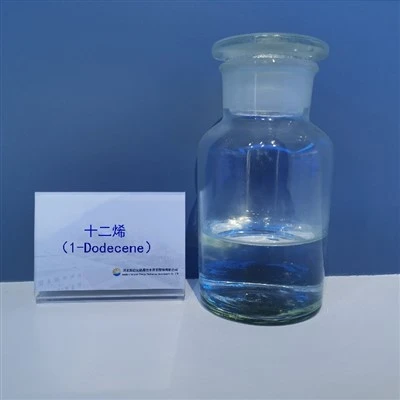
1. Diversify Feedstock Sources
One of the key strategies for our industry is to diversify feedstock sources. Traditionally, we’ve relied heavily on crude oil and natural gas as feedstocks for olefin production. But here’s the deal: these resources are finite, and their prices can be pretty volatile.
Take the past few years, for example. When there were geopolitical tensions in oil – producing regions, the price of crude oil skyrocketed. This directly impacted the cost of producing olefins from it. So, we need to look beyond the usual suspects.
Shale gas has emerged as a great alternative. In the United States, the shale gas boom has led to a significant increase in olefin production at a relatively lower cost. The ethane in shale gas can be easily cracked to produce ethylene, one of the most important olefins.
Another option is biomass. Biomass – based feedstocks, like sugarcane and corn, can be fermented to produce bio – ethanol, which can then be dehydrated to make ethylene. This not only provides a renewable source of olefins but also helps in reducing our carbon footprint.
2. Improve Production Technology
Technology is the name of the game. The efficiency of olefin production processes can be greatly enhanced through technological advancements.
Advances in cracking technology are a big deal. Steam cracking, the most common method for olefin production, has seen some improvements over the years. New catalysts are being developed that can increase the yield of olefins while reducing the energy consumption.
For instance, some research groups are working on nanocatalysts. These tiny catalysts have a large surface area, which means more reaction sites, leading to better conversion rates. And the best part? They can operate at lower temperatures, saving a ton of energy in the process.
We also need to invest in integrated production technologies. Instead of having separate plants for various steps in the olefin production process, an integrated plant can streamline the entire operation. This reduces waste, increases efficiency, and cuts down on costs.
3. Focus on Market Trends
If we want to succeed in the olefin raw materials industry, we’ve got to keep our finger on the pulse of market trends. The demand for different olefins and their derivatives is constantly changing.
Plastic recycling is a hot topic these days. As more and more consumers and governments are pushing for a circular economy, the demand for recycled plastics is increasing. This means we need to adapt our products to fit into this new market. We can develop olefin – based raw materials that are easier to recycle or that can be used in combination with recycled materials.
Another trend is the growth of the electric vehicle (EV) market. EVs require a lot of lightweight materials, and olefin – based plastics are a great choice. We need to target this market by developing high – performance olefin products that meet the specific requirements of the EV industry, such as heat resistance and mechanical strength.
4. Strengthen Environmental Sustainability
Environmental concerns are no longer something we can ignore. In fact, they’re becoming a major driving force for the development of the olefin raw materials industry.
We need to reduce greenhouse gas emissions during the production process. This can be achieved by using cleaner energy sources, like solar or wind power, in our plants. Some of our competitors have already started to make the switch, and it’s paying off. Not only are they reducing their environmental impact, but they’re also attracting more environmentally – conscious customers.
Waste management is another crucial aspect. We need to find ways to minimize waste generation and ensure that any waste we do produce is properly treated and recycled. For example, the by – products from olefin production can be used as feedstocks for other chemical processes, creating a more circular economy.
5. Build Strategic Partnerships
In this industry, no one can do it alone. Building strategic partnerships is essential for our growth.
We can partner with research institutions to stay at the forefront of technological innovation. Universities and research labs are constantly coming up with new ideas and breakthroughs in olefin production. By collaborating with them, we can access the latest research findings and develop new products faster.
Partnering with downstream manufacturers is also important. Since our olefin raw materials are used to make a wide range of products, having close relationships with these manufacturers allows us to understand their needs better. We can then tailor our products to meet their specific requirements, which gives us a competitive edge in the market.
6. Talent Development
Last but not least, we can’t forget about the people. The olefin raw materials industry needs skilled and innovative talent to drive its development.
We should invest in training programs for our employees. This can include technical training on the latest production technologies, as well as soft skills training, like communication and teamwork. A well – trained workforce is more productive and can come up with better solutions to the challenges we face.
We also need to attract young talent to the industry. Many young people are interested in working in industries that are making a positive impact on the environment and society. By highlighting the role of the olefin raw materials industry in areas like renewable energy and sustainable development, we can make it more appealing to the next generation of workers.
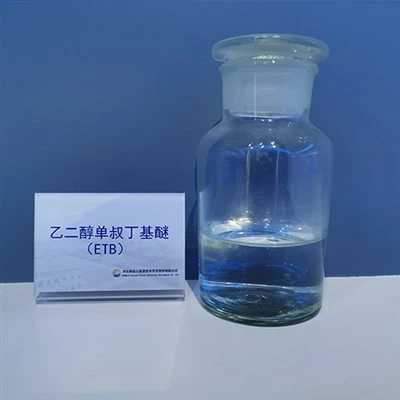
So, there you have it! These are some of the development strategies for the olefin raw materials industry. As a supplier, I’m always looking for ways to improve our business and stay ahead in this competitive market. If you’re in the market for olefin raw materials, I’d love to have a chat with you. Whether you have specific requirements or just want to learn more about our products, don’t hesitate to reach out. Let’s work together to build a better future for the olefin industry!
Aluminum Diisobutylphosphinate References:
- "Olefin Production Technologies: Current Status and Future Outlook" – Chemical Industry Journal
- "Sustainable Feedstocks for Olefin Production" – Renewable Resources Research Report
- "Market Trends in the Olefin Industry" – Global Chemical Market Analysis
Hebei Xinxinyuan Energy Co., Ltd.
Hebei Xinxinyuan Energy Co., Ltd. is one of the most professional olefin raw materials manufacturers and suppliers in China, featured by quality products and good price. Please rest assured to wholesale customized olefin raw materials made in China here from our factory.
Address: Zhongjie Industrial Park, Huanghua City, Cangzhou City, Hebei Province, China
E-mail: atl2066@qq.com
WebSite: https://www.xinxinyuanfr.com/
