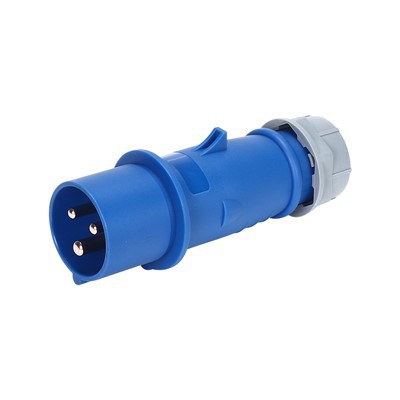
Hey there! I’m a supplier of industrial plugs and sockets, and I’ve seen firsthand how a well – optimized layout can make or break a factory’s efficiency. In this blog, I’m gonna share some tips on how to optimize the layout of industrial plugs and sockets in factories. Industrial Plug and Socket
Understanding the Factory’s Power Needs
First things first, you gotta understand the power requirements of the factory. Different machines have different power demands. For example, those big manufacturing machines often need a lot more power than smaller control devices. When I’m working with a new client, I always sit down with them to figure out what kind of equipment they’ve got. We talk about how much power each piece needs, how often it runs, and whether there are any peak usage times.
Once we’ve got a clear picture of the power needs, we can start planning where to place the plugs and sockets. You want to make sure that the sockets are close enough to the machines they’re powering. No one wants to deal with super long cables that can be a tripping hazard or cause a loss of power.
Placement Based on Machine Workflow
The workflow in a factory is super important. You need to place the plugs and sockets in a way that follows the natural flow of work. Think about it like this: if you’ve got an assembly line, the sockets should be easily accessible at each station. That way, workers don’t have to waste time moving machines around to find a power source.
I remember one factory where the sockets were placed all over the place. Workers had to drag extension cords across the floor to connect their tools, which was not only dangerous but also slowed down the production process. After we optimized the layout, aligning the sockets with the workflow, the production speed increased significantly, and there were fewer accidents.
Safety First: Avoiding Hazards
Safety is a huge concern when it comes to industrial plugs and sockets. You don’t want to have sockets in areas where they can get wet, like near water sources or in places where there’s a lot of dust. Moisture can cause short – circuits, and dust can clog the sockets, leading to overheating.
When I’m designing the layout, I always look for dry, clean areas to place the sockets. If there’s a chance of water splashing or dust accumulation, we use special protective covers. These covers can keep the sockets safe and extend their lifespan.
Another thing to consider is the height of the sockets. They should be placed at a height that’s easy to reach but not so low that they can be accidentally kicked or stepped on. A good rule of thumb is to place them at about waist – height.
Grouping Similar Machines
Grouping similar machines together and providing a common power source can be a great way to optimize the layout. This makes it easier to manage and maintain the power supply. For example, if you’ve got a bunch of small control panels, you can have a single socket strip for them.
It also helps with troubleshooting. If there’s a problem with the power supply, you can quickly identify which group of machines is affected and focus your efforts on that area. I’ve seen factories where all the machines were scattered, and it was a nightmare to find out where the power issue was coming from. After we grouped the machines and optimized the socket layout, maintenance became a lot simpler.
Future – Proofing Your Layout
Factories are always changing. New machines are added, and old ones are replaced. That’s why it’s important to future – proof your plug and socket layout. You should leave some extra space and capacity for future expansion.
When I’m working on a layout, I always ask the factory owners about their future plans. If they’re planning to add more machines in a certain area, I’ll make sure there are enough sockets and that the electrical system can handle the additional load. This way, they don’t have to go through the hassle of re – wiring the whole place when they make changes.
Flexibility and Adaptability
Flexibility is key when it comes to industrial plug and socket layouts. You might need to move machines around for different production runs. So, the sockets should be easy to access and re – configure.
One solution I often recommend is the use of modular socket systems. These systems allow you to easily add or remove sockets as needed. They’re also more flexible in terms of placement. You can move them around to different locations in the factory without a lot of hassle.
Testing and Maintenance
Once the layout is in place, it’s important to test everything thoroughly. You need to make sure that all the sockets are working properly and that there are no electrical issues. I always recommend doing a full electrical inspection after the installation.
Regular maintenance is also crucial. Over time, sockets can wear out, and the connections can become loose. You should have a maintenance schedule in place to check the sockets regularly, clean them, and replace any worn – out parts. This will help prevent breakdowns and ensure the long – term safety and efficiency of the factory.
Cost – Effectiveness
Optimizing the layout doesn’t have to break the bank. There are plenty of cost – effective solutions available. For example, using high – quality but affordable socket materials can save you money in the long run. Cheaper sockets might seem like a good idea at first, but they’re more likely to break down and need frequent replacement.
When planning the layout, I also look for ways to reduce the amount of wiring needed. This can save on installation costs and also reduce the risk of electrical problems.
Conclusion
Optimizing the layout of industrial plugs and sockets in factories is a complex but rewarding task. By understanding the power needs, following the workflow, ensuring safety, and considering future changes, you can create a layout that improves efficiency, reduces costs, and enhances safety.
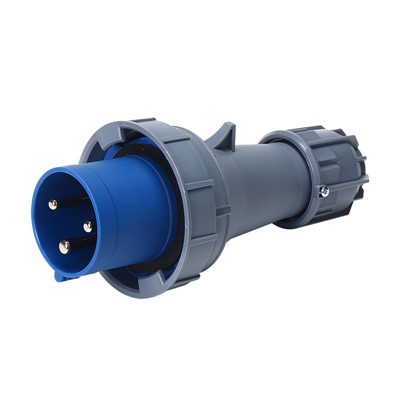
Panle Mount Industrial Plug If you’re looking to optimize your factory’s plug and socket layout or need high – quality industrial plugs and sockets, don’t hesitate to reach out. I’d be more than happy to work with you to come up with the best solution for your factory. Get in touch with me to start a discussion about your specific needs and how we can work together to make your factory run smoother.
References
- Industrial Electrical Installation Handbook
- Electrical Safety Standards for Factories
- Guide to Efficient Factory Layout Design
Zhejiang Hefeng Electric Co., Ltd.
Zhejiang Hefeng Electric Co., Ltd. is one of the most professional industrial plug and socket manufacturers and suppliers in China, featured by quality products and low price. Please rest assured to buy durable industrial plug and socket made in China here from our factory. Also, OEM service is available.
Address: Wenzhou Daqiao Industrail Park, Beibaixiang Town, Yueqing City, Zhejiang Province, China
E-mail: hefengplug@chinahfe.com
WebSite: https://www.hfcee.com/
