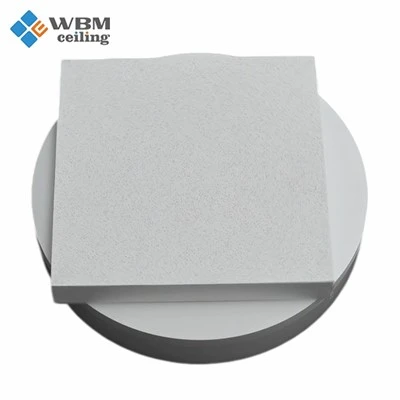
As a ceiling board supplier, I often get asked, "Can ceiling boards be painted?" This question is not only relevant to homeowners looking to spruce up their living spaces but also to commercial property owners aiming for a fresh look. In this blog, I’ll delve into the details of painting ceiling boards, exploring various aspects such as types of ceiling boards that can be painted, the painting process, challenges, and the benefits of painting. Ceiling Board
Types of Ceiling Boards Suitable for Painting
Ceiling boards come in a wide range of materials, and not all are suitable for painting. Let’s take a look at the common types that can be painted:
Gypsum Ceiling Boards
Gypsum is one of the most popular materials for ceiling boards due to its affordability, ease of installation, and excellent fire – resistant properties. Gypsum ceiling boards have a smooth surface that readily accepts paint. They can be painted with a variety of paint types, including latex, oil – based, and acrylic paints. Whether you want a matte finish for a contemporary look or a high – gloss finish for a more glamorous feel, gypsum ceiling boards can accommodate your preferences.
Fiber Cement Ceiling Boards
Fiber cement ceiling boards are known for their durability and resistance to moisture, fire, and pests. They have a textured surface that can be painted to enhance their appearance. When painting fiber cement ceiling boards, it’s essential to use a primer first to ensure good adhesion. Once the primer is dry, a topcoat of paint can be applied. Acrylic or latex paints are often recommended for fiber cement boards because they are flexible and can withstand the expansion and contraction of the material.
Wood Ceiling Boards
Wood ceiling boards add a warm and natural touch to any space. They can be painted to change their color or to protect them from the elements. Before painting wood ceiling boards, it’s important to sand the surface lightly to remove any rough spots or old finish. A wood primer should be applied to seal the wood and prevent the paint from soaking in unevenly. After the primer has dried, a layer of paint can be applied. Oil – based paints are often a good choice for wood ceiling boards as they provide a durable finish.
The Painting Process
Painting ceiling boards is a multi – step process that requires careful preparation and attention to detail. Here’s a step – by – step guide:
Step 1: Preparation
- Clean the Ceiling Boards: Remove any dust, dirt, or cobwebs from the ceiling boards using a soft brush or a vacuum cleaner with a brush attachment. For stubborn stains, use a mild detergent and water solution. Rinse the ceiling boards thoroughly and allow them to dry completely.
- Protect the Surroundings: Cover the floors, furniture, and walls with drop cloths or plastic sheets to prevent paint splatters. Use painter’s tape to mask off any areas that you don’t want to paint, such as light fixtures or trim.
Step 2: Repair and Fill
- Inspect for Damage: Check the ceiling boards for any cracks, holes, or dents. Use a putty knife to fill these imperfections with spackling compound or wood filler, depending on the type of ceiling board. Smooth the filler with the putty knife and allow it to dry according to the manufacturer’s instructions.
- Sand the Surface: Once the filler is dry, sand the repaired areas lightly with fine – grit sandpaper to smooth them out. This will ensure a seamless finish when the paint is applied.
Step 3: Priming
- Choose the Right Primer: Select a primer that is suitable for the type of ceiling board and the paint you will be using. Apply the primer to the ceiling boards using a paint roller or a brush. Start from one corner and work your way across the ceiling, applying an even coat of primer. Allow the primer to dry completely before applying the paint.
Step 4: Painting
- Select the Paint: Choose a high – quality paint that is appropriate for the ceiling. Ceiling paint is formulated to cover flaws and provide a smooth, even finish. It is usually available in flat, eggshell, or satin finishes.
- Apply the Paint: Use a paint roller or a sprayer to apply the paint to the ceiling boards. Start at the edges and work your way towards the center of the ceiling. Apply the paint in thin, even coats, and allow each coat to dry before applying the next one. Depending on the color and the type of paint, you may need to apply two or more coats for full coverage.
Challenges and Solutions
Painting ceiling boards can present some challenges, but with the right approach, these can be overcome.
Dripping and Sagging
One of the most common problems when painting ceilings is paint dripping and sagging. This can occur if too much paint is applied at once or if the paint is too thick. To avoid this, use a high – quality paint roller with a short nap and apply the paint in thin coats. If you notice any drips or sags, use a clean brush to smooth them out before the paint dries.
Uneven Coverage
Uneven coverage can be caused by improper application techniques or using a low – quality paint. To ensure even coverage, make sure the ceiling boards are clean and smooth before painting. Use a primer to seal the surface and apply the paint in thin, even coats. If you still notice uneven areas, sand the surface lightly and apply another coat of paint.
Peeling and Chipping
Peeling and chipping can occur if the paint does not adhere properly to the ceiling boards. This can happen if the surface is not properly prepared or if the wrong type of paint is used. To prevent peeling and chipping, make sure to clean and prime the ceiling boards before painting. Use a paint that is suitable for the type of ceiling board and follow the manufacturer’s instructions for application.
Benefits of Painting Ceiling Boards
Painting ceiling boards offers several benefits, both aesthetic and practical.
Aesthetic Benefits
- Enhanced Appearance: A fresh coat of paint can transform the look of a room. You can choose a color that complements the existing decor or create a bold statement with a bright or unusual color.
- Updated Style: Painting the ceiling boards can give a room a more modern or contemporary look. You can also use different paint finishes, such as matte or gloss, to add depth and texture to the ceiling.
Practical Benefits
- Protection: Paint can protect the ceiling boards from moisture, dirt, and stains. It can also help prevent the growth of mold and mildew, especially in areas with high humidity.
- Maintenance: A painted ceiling is easier to clean and maintain than an unpainted one. You can simply wipe the surface with a damp cloth to remove dust and dirt.
Conclusion
In conclusion, ceiling boards can indeed be painted, and it offers a great way to enhance the appearance and functionality of your space. Whether you have gypsum, fiber cement, or wood ceiling boards, with proper preparation and the right materials, you can achieve a beautiful and long – lasting finish.
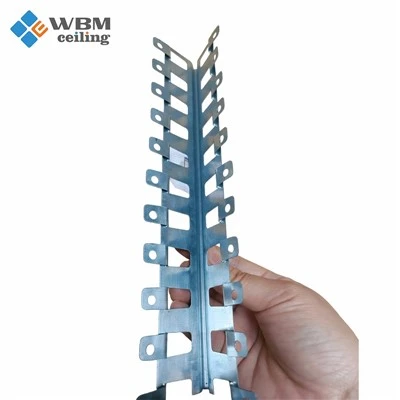
Ceiling and Drywall Metal Profile If you’re considering painting your ceiling boards or are in the market for high – quality ceiling boards, I invite you to reach out to me. As a ceiling board supplier, I can provide you with the best products and expert advice to meet your needs. Let’s start a conversation about your project and find the perfect solution together.
References
- "Painting Techniques for Different Surfaces" – Home Improvement Handbook
- "Ceiling Board Materials and Their Applications" – Construction Materials Journal
- "The Benefits of Painting Interior Surfaces" – Interior Design Magazine
Langfang Weikaihua Building Material Co., Ltd.
Langfang Weikaihua Building Material Co., Ltd. is one of the most professional ceiling board manufacturers and suppliers in China, featured by quality products and low price. Please rest assured to buy discount ceiling board from our factory. Contact us for customized service and free sample.
Address: Peng Er Wan Villiage, Zhao Ge Zhuang Town, Wen’an County, Langfang City, Hebei Province, China
E-mail: joyce@wbm.cc
WebSite: https://www.wbmceiling.com/
