What is the noise level generated by a Type Strainer?
As a supplier of Type Strainers, I’ve received numerous inquiries regarding various aspects of our products. One question that has increasingly come to the forefront is about the noise level generated by a Type Strainer. In this blog post, I’ll dive deep into this topic, exploring what influences the noise, how we measure it, and what our strainers typically offer in terms of noise performance. Type Strainer
Understanding the Basics of Type Strainers
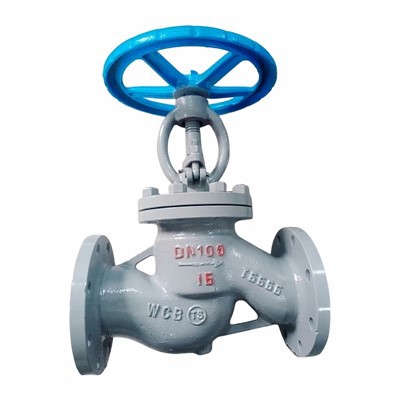
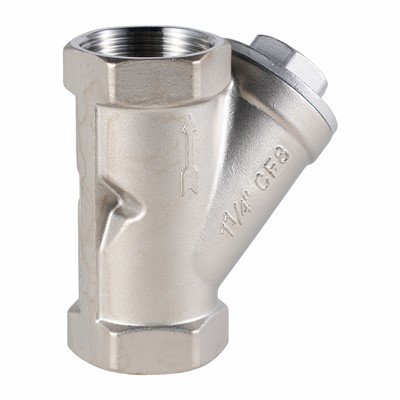
Before we talk about noise, let’s briefly understand what a Type Strainer is. A Type Strainer is a device used in piping systems to remove solid particles from fluids such as water, oil, and gas. It consists of a straining element, often a perforated or wire mesh screen, housed within a casing. The fluid passes through the screen, and the debris is trapped, ensuring a cleaner, more efficient operation of the downstream equipment.
What Causes Noise in a Type Strainer?
The noise generated by a Type Strainer can stem from several factors:
- Fluid Turbulence: When fluid flows through the strainer, it can create turbulence, especially as it passes through the small openings of the screen. This turbulence leads to pressure fluctuations, which in turn generate noise. The speed of the fluid and the design of the screen play significant roles in determining the level of turbulence. For instance, a high – flow rate through a fine – mesh screen can cause more significant turbulence and thus more noise.
- Vibration: As fluid flows through the strainer, it can cause the strainer components to vibrate. The casing, the screen, and any internal supports can all vibrate at different frequencies. These vibrations can be transmitted to the surrounding piping and structures, amplifying the noise. If the strainer is not properly installed or supported, the vibration and resulting noise can be more pronounced.
- Cavitation: In some cases, if the pressure drop across the strainer is too high, cavitation can occur. Cavitation is the formation and collapse of vapor bubbles in a liquid due to rapid changes in pressure. The collapse of these bubbles can create high – intensity noise and can also damage the strainer components over time.
Measuring the Noise Level
The noise level of a Type Strainer is typically measured in decibels (dB). A sound level meter is used to quantify the sound intensity at different points around the strainer. The measurement is usually taken under specific operating conditions, including a defined flow rate, pressure, and temperature of the fluid.
It’s important to note that the noise level can vary depending on the location and orientation of the sound – level meter. Different standards and guidelines exist for measuring industrial noise, such as ISO 11200, which provides methods for determining the emission sound pressure levels and sound power levels of machinery.
Our Type Strainers and Noise Performance
At our company, we understand the importance of low – noise operation, especially in applications where noise can be a nuisance or a safety concern. We’ve invested significant resources in research and development to optimize the design of our Type Strainers to minimize noise generation.
- Screen Design: We carefully select the screen material and configuration to reduce fluid turbulence. Our engineers use advanced computational fluid dynamics (CFD) simulations to model the fluid flow through the strainer and optimize the screen geometry. By ensuring a smooth and even flow of fluid, we can significantly reduce the noise caused by turbulence.
- Vibration Dampening: To mitigate the effects of vibration, we incorporate vibration – dampening materials in the construction of our strainers. These materials absorb and dissipate the vibration energy, reducing the noise transmitted to the surrounding environment. Additionally, we provide detailed installation instructions to ensure proper support and alignment of the strainer, further minimizing vibration.
- Cavitation Prevention: Our strainers are designed to maintain a reasonable pressure drop across the screen, preventing the occurrence of cavitation. We conduct extensive testing to determine the optimal operating conditions for our strainers and provide clear guidelines to our customers to ensure safe and quiet operation.
In general, our Type Strainers operate at relatively low noise levels compared to many other similar products on the market. Depending on the specific model and application, the noise level can range from around 50 dB to 70 dB during normal operation. For comparison, a quiet conversation typically measures around 60 dB, while a vacuum cleaner can produce around 70 – 80 dB of noise.
Applications and Noise Considerations
The noise level of a Type Strainer can be a critical factor in different applications:
- Residential and Commercial Buildings: In plumbing systems of residential and commercial buildings, noise can be a major concern for occupants. Our low – noise Type Strainers are ideal for these applications, ensuring a quiet and comfortable environment while still providing effective filtration.
- Industrial Processes: In industrial settings, noise can affect the health and safety of workers. High – noise levels can lead to hearing loss and other health issues over time. Our strainers with reduced noise levels help create a safer and more pleasant working environment.
- HVAC Systems: In heating, ventilation, and air – conditioning (HVAC) systems, noise can disrupt the normal operation of the equipment and cause discomfort for building occupants. Our strainers can be integrated into HVAC systems to provide reliable filtration without adding excessive noise.
Conclusion
The noise level generated by a Type Strainer is an important consideration for many applications. At our company, we are committed to providing high – quality Type Strainers that not only offer excellent filtration performance but also operate quietly. Our continuous efforts in research and development ensure that our products meet the evolving needs of our customers in terms of noise reduction and overall performance.
Butterfly Valve If you’re in the market for a Type Strainer and want to learn more about our products’ noise performance and other features, we encourage you to get in touch with us. Our team of experts is ready to assist you in choosing the right strainer for your specific requirements. Let’s start a conversation about how our Type Strainers can benefit your operations.
References
- ISO 11200: Acoustics – Determination of sound power levels and sound energy levels of noise sources using sound pressure – Engineering methods for an essentially free field over a reflecting plane
- Fluid Mechanics textbooks for understanding fluid turbulence and cavitation principles
Xiongxiang Valve Group Co., Ltd.
As one of the most professional type strainer manufacturers and suppliers in China, we’re featured by quality products and good price. Please rest assured to wholesale cheap type strainer for sale here from our factory. Contact us for more details.
Address: Building 1, No.306, 12th Binhai Road, Jinkai District, Wenzhou City, Zhejiang Province, China
E-mail: info@xiongxiangvalve.com.cn
WebSite: https://www.steelvalvegroup.com/
