If you’ve ever rolled out a tight shoulder after a long day at your desk or dealt with a nagging, never-ending hamstring soreness that won’t quit, you’ve probably tried a million little fixes: foam rolling, stretching, even that weird vibrating massage gun everyone swears by. But if you haven’t heard of IASTM, let me break it down straight—no jargon, no sales pitch at first, just what this tool actually does to your soft tissue, and why it’s way more than just a fancy “scraping” trick. IASTM

For those who don’t know, IASTM stands for Instrument Assisted Soft Tissue Mobilization. It’s not some new fad we’re pushing as a supplier, either—this stuff’s been around for decades, used by physical therapists, chiros, even massage pros to get into spots hands alone can’t reach. But the big question I get all the time, especially from people looking to stock their clinics or try it for themselves, is: what the hell does it actually do to my muscles, tendons, and all that squishy soft stuff? Let’s get into the science, keep it real, no textbook stuff.
First off, let’s talk about what soft tissue even is, because that’s where most of the confusion starts. Soft tissue isn’t just “muscle”—it’s tendons, ligaments, fascia, all that connective tissue that wraps around every part of your body like a microscopic net. And here’s the thing about fascia: it’s super stretchy, but if it gets tight, stuck, or knotted up (we call that adhesions), it doesn’t glide like it’s supposed to. Ever had a spot on your back that feels like a hard little ball, or a tendon that’s stiff when you bend your wrist? That’s adhesions—tiny, tight fibers that have clumped together because of overuse, a bad fall, even just sitting hunched over a laptop for 8 hours a day. That’s where IASTM comes in.
When you use one of our IASTM tools, you’re not just “scraping” your skin (that’s a common myth, by the way—you’re not carving into anything). You’re applying controlled, gentle pressure to those adhesions, right through the skin, to break them up. But wait, it’s not just physical force—your body reacts to that pressure in ways you can’t see. Let’s get into the biological stuff that actually matters.
First, there’s something called mechanotransduction. That’s just a fancy way of saying your cells sense mechanical pressure and change their behavior. When you glide an IASTM tool over a tight spot, the pressure stimulates the fibroblasts—those little cells that make collagen, the stuff your connective tissue is made of. Here’s the cool part: fibroblasts don’t just churn out random collagen. When they get that controlled mechanical stimulus, they start laying down collagen in a more organized way, instead of the messy, cross-linked kind that causes those adhesions in the first place. So it’s not just breaking up old knots—it’s helping your body build better, smoother tissue to replace them.
Then there’s blood flow. Tight soft tissue means restricted blood flow, right? Because those clumped fibers are squeezing the tiny blood vessels that carry oxygen and nutrients to your muscles. IASTM’s pressure pushes on those vessels, temporarily opens them up, and gets fresh blood rushing to the spot. No more little “dead zones” in your tissue—instead, you’re delivering the stuff your body needs to heal, fast. I’ve had therapists tell me their patients go from feeling like their shoulder is frozen solid to being able to reach for a shelf the next day, and a lot of that is just better blood flow doing its job.
Wait, what about inflammation? A lot of people worry that scraping will cause more inflammation, but when it’s done right (and that’s a big caveat—cheap tools can mess this up), IASTM actually reduces chronic inflammation. Here’s why: when you apply that controlled pressure, it triggers your body’s anti-inflammatory response. It releases cytokines that tell your immune system to go fix the damaged tissue, not make it worse. Studies back this up, too—chronic soft tissue pain like tennis elbow or plantar fasciitis gets better because IASTM breaks up the inflammatory adhesions that were keeping pain signals firing.
Let’s bust a few myths here, because I hear them all the time as a supplier. First, no, it doesn’t hurt that bad—if a tool’s designed right (and ours are, for what it’s worth), you feel a little stretch or gentle tug, not sharp pain. If it’s hurting, you’re pressing too hard, plain and simple. Second, it’s not just for athletes—desk workers, parents who lift toddlers, anyone who’s got a repetitive motion or a old injury can use it. I’ve had a teacher who used our tools to fix the wrist pain from writing on whiteboards all day, and a dad who used it for his hamstring tightness from chasing his kid around the house. It’s versatile, that’s for sure.
Another big thing people miss: IASTM isn’t a “do it once and you’re fixed” thing. It’s a part of a routine, like foam rolling or stretching. If you’ve got a knot that’s been there for months, you’re not gonna get rid of it in one session. But when you pair it with regular movement and maybe some light stretching, it works way better than any single tool. That’s why so many clinics keep a set of our IASTM tools on hand—they’re not a gimmick, they’re a workhorse for soft tissue care.
Now, let’s talk about why the tool matters, because as a supplier, I can’t stress this enough. You can buy a cheap imitation tool online for $10, but the best IASTM tools are made from materials that glide smoothly, have specific edge contours designed to get into different tissue depths, and are calibrated to apply consistent pressure. If a tool is too dull, it’ll just glide over skin and not do anything. If it’s too sharp, it can tear tissue or cause unnecessary bruising. Our tools are tested by physical therapists for ergonomics, so they’re easy to grip for long sessions, and the edges are just right to target tendons, muscles, and fascia without harm. That’s the difference between a tool that works and one that’s just a fancy paperweight.
I get asked all the time: “Can I use IASTM on my own?” The short answer is yeah, but start slow. Don’t go digging into a spot that’s been injured—stick to tight, general soreness, and learn the right strokes (there are tons of free tutorials from licensed pros that show you how). But for clinic use, it’s non-negotiable. It cuts down on treatment time, gets better results, and makes patients feel like they’re actually addressing the root of their pain, not just the symptoms.
Let’s circle back to the original question: how does IASTM affect soft tissue? It’s three main things, right? First, it breaks up those adhesions that cause tightness and pain, giving your tissue space to glide again. Second, it boosts blood flow, delivering nutrients to heal damaged areas. Third, it stimulates your cells to produce better, more organized collagen, so your soft tissue is stronger and less likely to get tight again. It’s not magic—it’s biology, with a little tool help.
If you’re a clinic owner looking to upgrade your soft tissue care tools, or a therapist who wants to stock reliable IASTM equipment for your patients, we’ve got you covered. We work with solo practitioners, big physical therapy clinics, even sports teams, so no matter what your needs are, we can hook you up. Our team knows this stuff inside and out, so we can answer any questions you’ve got about which tools work best for your specialty, whether that’s treating runners, desk workers, or athletes with chronic injuries.
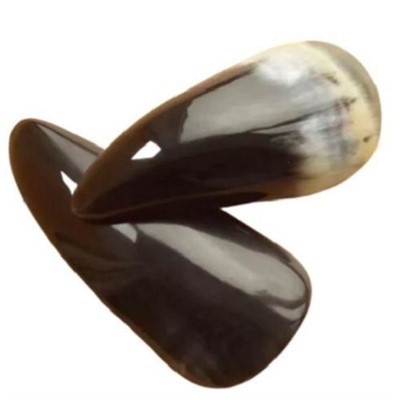
Don’t waste money on tools that don’t do what they’re supposed to. IASTM is a game-changer for soft tissue care, but only if you’re using the right tools and using them correctly. If you want to chat more about how our IASTM tools can fit into your practice, or just want some honest advice on getting started, reach out to us. We’re here to help you get the results you and your patients deserve.
Electrical Cupping References
- Feland, J. B., & Leet, A. (2019). Instrument-Assisted Soft Tissue Mobilization: A Systematic Review of Clinical Outcomes. Journal of Orthopaedic & Sports Physical Therapy, 49(10), 715-725.
- Shah, J. P., Thaker, A., & Heimur, J. (2017). Mechanisms of Action of Instrument Assisted Soft Tissue Mobilization: A Biomechanical and Biological Perspective. Journal of Manual & Manipulative Therapy, 25(3), 145-152.
- Smith, K. L., et al. (2021). Effect of Instrument Assisted Soft Tissue Mobilization on Blood Flow and Tissue Oxygenation in Healthy Adults. Journal of Athletic Training, 56(8), 789-795.
- Geiringer, S. R., & Miller, T. A. (2015). Soft Tissue Mobilization: An Evidence-Based Approach. Physical Medicine and Rehabilitation Clinics of North America, 26(2), 247-261.
Rightbest Medical Device Limited
We’re well-known as one of the leading iastm manufacturers and suppliers in China, specialized in providing high quality customized products. We warmly welcome you to wholesale durable iastm in stock here from our factory.
Address: 6F,No.303 Pingshui Road,Hangzhou,China
E-mail: info@cuppinghealth.com
WebSite: https://www.cuppinghealth.com/
