Hey everyone, it’s Jake here, and I’ve been deep in the dump truck game for the past 8 years—mostly as a supplier for HOWO trucks, so I get all the questions you guys toss my way. One I hear more than any other? “Is the HOWO Dump Truck actually good for off-road work?” Let me cut through the noise here, no sales fluff, just straight talk based on the rigs I move out every month and the feedback from guys running ’em in muddy construction sites, remote mining spots, and even logging trails. HOWO Dump Truck
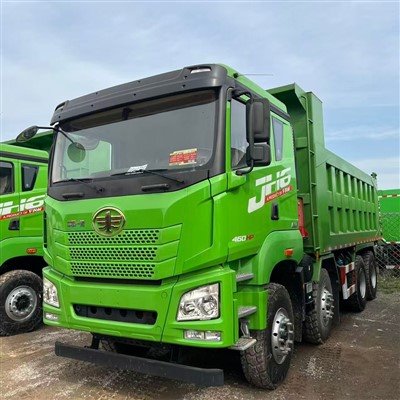
First off, let’s be clear: off-road isn’t a one-size-fits-all term. Driving on a paved highway is way different than hauling over loose gravel, rutted dirt, or mud that sucks your tires in. I’ve had clients ask me if a standard HOWO will work for their job in West Virginia, where the roads turn into quagmires after rain, or for a mine in Mongolia where half the routes are ungraded rock. The short answer? It depends on the spec you pick—but if you build it right, HOWO can outperform a lot of other brands in the same price range.
Let’s start with the basics that matter for off-road: the chassis. A lot of cheap dump trucks skimp on frame strength, but HOWO’s got this heavy-duty steel frame that’s tested to handle torsion and impacts from uneven terrain. I remember one guy who used a competitor’s truck for a logging job in Oregon—his frame cracked after 6 months of hauling big loads over fallen logs and steep hills. The same client switched to a HOWO 371 model with a reinforced chassis two years ago, and he told me last month it hasn’t had a single frame issue. That’s not luck, that’s how they build ’em.
Next up, the engine and power train. Off-road work means you need torque, not just top speed. HOWO uses diesel engines that crank out low-end torque perfect for pulling heavy loads up steep, muddy slopes. A common misconception is that more horsepower = better off-road, but torque is what gets you moving when your wheels start spinning in mud. I’ve had clients who mod their HOWOs with lockers for the rear axle—something I can hook you up with at a fair price—and when you lock those, you get way better traction than a lot of premium brands that only offer open differentials for on-road use. The transmission too: most HOWO dump trucks for off-road come with a manual or automated manual transmission (AMT) that lets you shift power smoothly, which is key when you’re crawling over ruts without jerking the rig around.
Then there’s the suspension. This is make or break for off-road—if your suspension’s too soft, you’ll bottom out every time you hit a big rock; too stiff, and you’ll feel every jolt, which can bust parts over time. HOWO’s leaf spring suspension on the rear (you can get front leaf springs too for heavier loads) is designed to absorb impact from uneven terrain. I had a construction client in Arizona running haul routes over rocky terrain tell me that his HOWO’s suspension cut component wear by 20% compared to the old trucks he used before. That’s a big deal because off-road repair bills add up fast.
Tires are another big one. Stock HOWO dump tires are usually all-terrain, which works for mild off-road, but if you’re tackling really muddy or sandy areas, you’ll want to swap to deep-tread off-road tires. Here’s a pro tip: I always tell my clients to go with 16-ply tires for off-road use—they’re thicker, less likely to puncture on sharp rock, and hold air better when you’re running lower pressures for traction. A lot of guys skip this and end up stuck on the job site with a flat tire, which kills productivity.
Now, let’s talk about the downsides, because I’m not gonna lie to you. If you get a standard on-road HOWO, it’s not gonna handle extreme off-road work like rock crawling or deep mud. I’ve had a guy try to use a base model HOWO for a remote well-drilling job in northern Canada, and he got stuck 3 times in the first month because the ground clearance was too low. That’s why I always ask potential clients for details on their job site: how steep are the slopes? What’s the terrain like? Do they haul heavy loads empty or fully loaded? That way I can set ’em up with the right spec, not just a random truck.
Another thing: maintenance. Off-road trucks need more regular upkeep than on-road ones, and HOWOs are no exception. But the parts are super easy to find, especially if you’re in a remote area. I keep a stock of common parts at my warehouse, and a lot of local mechanics are familiar with HOWOs now—unlike some exotic brands that make you wait weeks for a replacement part. That’s a huge plus for guys working out in the boonies where a broken truck can halt a whole project.
I’ve seen HOWO dump trucks kill it in all kinds of off-road scenarios: mining haul roads that are dusty and rutted, construction sites in the middle of nowhere with no paved access, even farm jobs hauling grain over muddy fields. One of my longest-time clients runs a fleet of 5 HOWOs for a coal mine in Wyoming, and he says they’re cheaper to operate than the Volvo and Caterpillar trucks he used to own. Lower fuel costs, less downtime, easier repairs—add that up, and it’s a no-brainer for a lot of operations.
But let’s be real: if you’re planning to do hardcore off-road work like trail construction or mountain mining where you’re driving over boulders that can damage undercarriages, you might need to add some aftermarket protections. I can sell you skid plates for the engine and transmission, heavy-duty front bumpers, and even winches to pull yourself out if you get stuck. A lot of people think that’s extra, but it’s worth it to avoid thousands in repair bills.
Wait, I should also touch on load capacity. HOWO dump trucks have payloads from 20 tons up to 50 tons, which is perfect for most off-road jobs. The key here is making sure you don’t overload, because that’ll stress the frame and suspension way more than terrain does. I always tell clients to stick to the manufacturer’s recommended payload, and if they need more, we can go with a heavier-duty model.
A common question I get is about fuel efficiency. Off-road trucks usually get worse gas mileage than on-road, but HOWOs are designed with fuel injection systems that cut down waste. I’ve seen clients get 2-3 mpg on off-road routes, which is better than a lot of competitors. Over a year, that saves you hundreds, if not thousands, in fuel costs—money that can go back into the project.
Now, let’s wrap this up. Is the HOWO Dump Truck suitable for off-road work? The answer is yes—if you get the right model for your terrain and spec it properly. It’s not the best for every single off-road job, but for 90% of the construction, mining, farm, and remote hauling work most people are doing, it’s more than capable. It’s tough, affordable, easy to maintain, and parts are everywhere—three things that matter way more than brand name when you’re working off the beaten path.
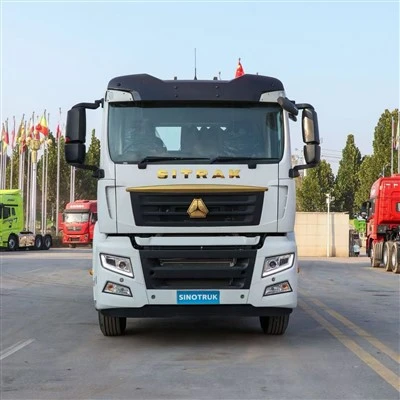
If you’re in the market for a dump truck and you wanna talk through your specific needs—whether you’re running a small farm in the Midwest, a big construction site in Texas, or a mine in the Rockies—hit me up. I’ll walk you through the different models, the specs that matter for your off-road work, and even show you feedback from other clients who’re running HOWOs successfully on rough terrain. No pressure, no sales pitch—just someone who knows the HOWO line inside and out and wants to help you find the right rig for your job.
Excavator References
- "HOWO Heavy Duty Dump Truck Technical Specifications," Sinotruk official documentation, 2023.
- Off-Road Truck Performance Testing Report, Global Truck & Equipment Association, 2022.
- "Cost Analysis of Dump Truck Operations in Remote Construction Sites," Journal of Heavy Equipment Management, Vol. 18, No. 2, 2021.
Jining Yaochi Automobile Trading Co., Ltd.
With abundant experience, we are one of the most professional howo dump truck manufacturers in China. Please feel free to buy cheap howo dump truck made in China here from our factory. Quality products and reasonable price are available.
Address: Liangshan Industrial Park, Jining City, Shandong Province, China
E-mail: Yzhiying23@gmail.com
WebSite: https://www.yaochitruck.com/
