If you’ve ever stood in a pharmacy aisle, staring at a shelf stacked with bandages—neon-colored ones for kids, transparent strips for everyday scrapes, thick gauze rolls for deeper cuts—you’ve probably wondered: what’s the actual purpose of these small, often overlooked medical supplies? As a medical bandages supplier who’s worked with hospitals, urgent cares, and small clinics for over a decade, I’ve seen bandages go far beyond just covering a wound. They’re not just sticky strips; they’re a first line of defense, a tool that speeds healing, and even a quiet support for people navigating minor injuries on a daily basis. Let’s break down what medical bandages actually do, beyond the obvious. Medical Bandages
First, let’s start with the most basic, and often the most critical, job: protecting the wound from external contaminants. When you skin your knee riding a bike, or slice your finger while chopping vegetables, the top layer of your skin is broken. That barrier that keeps bacteria, dirt, debris, and even the air itself out of your body is gone. Leaving a wound uncovered doesn’t let it “breathe” as many people used to think—actually, it exposes it to a whole host of problems. A bandage acts as a physical barrier, blocking dust from a construction site, bacteria from a gym floor, or even sweat from a workout that can irritate the cut. I remember a time a few years back, a regular customer who runs a chain of urgent care clinics called me in a panic. They had a surge of patients after a local 5K race, all with road rash on their knees and elbows. Half the patients who’d tried to skip bandaging their wounds came back within a few days with minor infections. The ones who used our sterile, non-stick bandages didn’t. That stuck with me—bandages aren’t just a cover; they’re a simple, effective way to prevent something small from turning into something that needs antibiotics.
But protection isn’t the only purpose. Medical bandages also control bleeding, which is why they’re a staple in every first aid kit, from a hiker’s backpack to a school nurse’s cabinet. For minor cuts and abrasions, direct pressure with a bandage (or a gauze pad secured with a roll bandage) applies gentle, even pressure to the blood vessels in the wound, helping platelets do their job and form a clot. It’s important to use the right type of bandage here, too. A thin adhesive strip isn’t going to work for a deeper cut, which is why we supply a range of products—from absorbent gauze bandages that can soak up blood while applying pressure, to conforming stretch bandages that stay in place on an arm or leg without slipping. I’ve seen too many people use a regular piece of tape to hold a gauze pad on a deep cut, which can stick to the wound when they change it and disrupt the clot. That’s why choosing a bandage designed for pressure and absorption matters, and it’s a part of what I focus on as a supplier—making sure our products are versatile enough for different levels of minor bleeding.
Next, bandages create a moist wound environment, a concept that’s been proven by wound care research over the last 40 years but is still misunderstood by a lot of people. For a long time, doctors told people to let wounds “air out” to dry them out and scab over. But studies, including work from the World Union of Wound Healing Societies, show that a moist environment heals up to twice as fast as a dry one. That’s because a moist setting keeps the wound’s cells hydrated, allows for the growth of new tissue, and prevents the scab from getting too hard and cracking open again, which can lead to scarring. Modern medical bandages are designed for this: hydrocolloid bandages, for example, absorb small amounts of exudate (the fluid that comes from healing wounds) while keeping the rest of the area moist. Transparent film bandages are another example—they’re permeable to oxygen, but they lock in moisture and let you see the wound without removing the bandage too often. As a supplier, we invest in these types of bandages because we know they make a real difference in healing time and scarring, and that’s a purpose many people don’t think about when they grab a bandage from the shelf.
Bandages also provide pain relief, which might sound surprising, but it’s true. How? For one, they cushion the wound from friction and pressure. A blister on your heel from new shoes, for example, is painful because every step rubs the blister against your sock or shoe. A gel pad bandage or a moleskin bandage creates a soft, protective layer between the wound and the outside world, reducing that friction and easing pain. For wounds that are sensitive to cold air, a bandage can also insulate the area, keeping it at a consistent temperature that’s less irritating. I had a customer, a mom of two young kids, tell me last year that her son kept picking at a cut on his finger because it hurt when it got cold. She switched to our padded adhesive bandages, and he stopped complaining. That’s the kind of small, everyday impact that bandages have—they make a stressful minor injury a little more bearable.
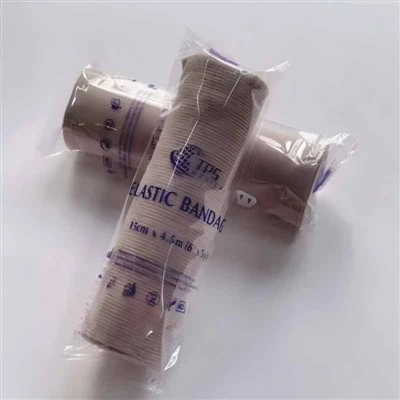
Then there’s the often-overlooked purpose of bandages to provide support and immobilization for minor injuries. A sprained ankle, for example, doesn’t need a cast unless it’s a severe fracture—sometimes, a elastic compression bandage is enough to keep the joint stable, reduce swelling, and prevent further movement that could make the injury worse. We supply a range of conforming and compression bandages for this exact reason, used by physical therapists, sports coaches, and even for home first aid. I work with a local high school’s athletic department, and they swear by our stretch bandages for wrapping up sprained wrists and ankles during practice and games. It’s not just about healing; it’s about letting people get back to their daily lives, whether that’s a student going to class or an athlete competing.
Wait, but I should also mention that there’s a common misconception here—bandages aren’t one-size-fits-all. That’s why as a supplier, we focus on offering a wide range of products tailored to different needs, because using the wrong bandage can actually do more harm than good. For example, using a waterproof bandage on a wound that’s oozing a lot of fluid can trap that fluid under the bandage, leading to maceration (softening of the skin) which slows healing. Using a non-stick bandage on a deep wound that’s bleeding heavily won’t absorb enough fluid or apply enough pressure. That’s why it’s important to understand the specific purpose of each type of bandage, not just grab the first one you see. For example, sterile gauze bandages are best for absorbing heavy exudate, hydrocolloid bandages for moist wound healing, transparent film bandages for low-exudate wounds where visibility is needed, and compression bandages for support and swelling control.
Another angle I’ve seen over the years: bandages also play a role in infection prevention beyond just the initial barrier. Most medical-grade bandages are sterile, which means they’re free of bacteria and other pathogens that could contaminate a fresh wound. Over-the-counter bandages might not always be sterile, especially if their packaging is damaged, but as a supplier, we ensure all our products are properly sterilized and packaged to maintain that sterility until they’re opened. That’s a key part of their purpose—they aren’t just covering a wound, they’re adding an extra layer of protection against harmful microorganisms that could cause infection.
I’ve also seen how bandages can impact mental health, especially for people with chronic wounds or minor injuries that are visible. For someone with a chronic condition like venous ulcers, covering the wound with a proper bandage can help them feel more comfortable and confident in social settings, without worrying about the wound being seen or leaking. For kids with scraped knees, a fun, colorful bandage can turn a scary ouch into something manageable, even a little exciting. It’s a small thing, but it matters. I remember a little girl who came into the clinic with a scraped elbow, crying because she didn’t want a “boring white bandage.” We gave her a unicorn-themed bandage, and she stopped crying within a minute. That’s the kind of small, human impact that I don’t think gets talked about enough—bandages aren’t just medical tools; they’re a way to make injuries less stressful for people of all ages.
Now, as a medical bandages supplier, I know that there’s a lot of focus on big medical devices and medications, but bandages are the unsung heroes of wound care. They’re the first thing you reach for when you get hurt, the last thing you change when your wound is healing, and they make a huge difference in how quickly and well you recover. But with so many options out there, it’s important to choose the right bandage for the job, which is why working with a supplier that understands both the science behind bandages and the real-world needs of customers is key.

If you’re a hospital, clinic, urgent care center, or even a business that needs reliable, high-quality medical bandages for your first aid kits or patient care, I’d love to talk. We have a full range of sterile, versatile bandages designed for every purpose—from basic protection and bleeding control to moist wound healing and support. Whether you need bulk orders for a large clinic or custom packaging for your first aid products, we can work with you to find the right solutions that fit your needs.
Adhesive Dressings References:
- World Union of Wound Healing Societies. (2019). Guidelines for Moist Wound Healing. International Wound Journal.
- American Red Cross. (2022). First Aid Manual: Wound Care and Bandaging.
- White, R. J., & Cooper, R. A. (2017). The Science of Medical Bandages: From Barriers to Therapeutic Tools. Journal of Biomedical Materials Research Part B: Applied Biomaterials.
- Centers for Disease Control and Prevention. (2021). Infection Prevention in Outpatient Settings: Wound Care Guidelines.
- Athletic Training Association. (2020). Bandage and Taping Protocols for Minor Musculoskeletal Injuries. Journal of Athletic Training.
Hangzhou Tuopusi Medical Products Co., Ltd.
As one of the most professional medical bandages manufacturers and suppliers in China, we offer a wide range of products with superior quality. Please feel free to wholesale bulk customized medical bandages at competitive price from our factory. Also, free sample is available.
Address:
E-mail: sales@tpsmedic.com
WebSite: https://www.medressing.com/
