What are the guidelines for setting up road blocks in a residential neighborhood?
As a supplier of road blocks, I’ve witnessed firsthand the importance of proper road block installation in residential neighborhoods. Road blocks serve multiple crucial purposes, from enhancing security to managing traffic effectively. In this blog, I’ll delve into the key guidelines for setting up road blocks in a residential area, drawing on my years of experience in the industry. Road Block

1. Assess the Need
Before installing road blocks, it’s essential to conduct a thorough assessment of the neighborhood’s needs. Consider factors such as the level of traffic, security threats, and the layout of the area. For instance, if the neighborhood is located near a busy commercial area, there may be a higher volume of through traffic that needs to be managed. On the other hand, if there have been recent security incidents, road blocks can be used to restrict access and enhance safety.
Engage with the residents and local authorities to understand their concerns and requirements. This collaborative approach ensures that the road blocks are installed in a way that meets the community’s needs. For example, you can hold community meetings or surveys to gather feedback on the proposed road block locations and designs.
2. Choose the Right Type of Road Block
There are various types of road blocks available, each with its own features and applications. The choice of road block depends on the specific requirements of the neighborhood. Here are some common types:
- Fixed Road Blocks: These are permanent structures that are installed in the ground. They are typically made of concrete or steel and are used to prevent unauthorized access. Fixed road blocks are ideal for areas where long – term access control is required, such as gated communities.
- Removable Road Blocks: These can be easily installed and removed as needed. They are often used for temporary traffic management or special events. Removable road blocks can be made of materials like plastic or metal and are available in different shapes and sizes.
- Automatic Road Blocks: These are motorized road blocks that can be controlled remotely. They are suitable for high – security areas where quick access control is necessary. Automatic road blocks can be integrated with security systems, such as access control cards or cameras.
When choosing a road block, consider factors such as durability, visibility, and ease of operation. For example, in a residential neighborhood, you may want a road block that is visible during the day and night to prevent accidents.
3. Determine the Location
The location of the road blocks is crucial for their effectiveness. They should be placed in strategic locations to achieve the desired traffic management and security goals. Here are some guidelines for determining the location:
- Entrances and Exits: Place road blocks at the main entrances and exits of the neighborhood to control access. This helps to prevent unauthorized vehicles from entering the area.
- Intersections: Install road blocks at intersections to manage traffic flow and prevent congestion. They can be used to direct vehicles to specific lanes or to stop traffic at certain times.
- High – Risk Areas: Identify areas in the neighborhood that are at a higher risk of security threats, such as near schools or community centers. Place road blocks in these areas to enhance safety.
When determining the location, also consider the impact on emergency vehicles. Ensure that there are clear paths for ambulances, fire trucks, and police cars to access the neighborhood in case of an emergency.
4. Ensure Proper Installation
Proper installation of road blocks is essential for their functionality and safety. Here are some installation guidelines:
- Follow Manufacturer’s Instructions: Each road block comes with specific installation instructions from the manufacturer. Make sure to follow these instructions carefully to ensure a proper installation.
- Use the Right Tools and Materials: Use the appropriate tools and materials for the installation. For example, if you are installing a fixed road block, you may need concrete and steel reinforcement.
- Level the Ground: The ground where the road block is to be installed should be level and stable. This ensures that the road block is installed securely and does not pose a tripping hazard.
- Test the Road Block: After installation, test the road block to ensure that it is functioning properly. Check for any signs of damage or instability.
5. Consider Visibility and Signage
Visibility is an important factor when setting up road blocks in a residential neighborhood. Road blocks should be clearly visible to drivers and pedestrians to prevent accidents. Here are some ways to enhance visibility:
- Use Reflective Materials: Apply reflective tape or paint to the road blocks to make them more visible at night. This helps drivers to see the road blocks from a distance.
- Install Signage: Place signs near the road blocks to indicate their presence and provide instructions to drivers. Signs can include messages such as "Road Block Ahead" or "No Entry".
- Lighting: Consider installing lighting around the road blocks to improve visibility, especially in areas with low light conditions.
6. Maintenance and Monitoring
Once the road blocks are installed, it’s important to maintain and monitor them regularly. Here are some maintenance and monitoring guidelines:
- Inspect Regularly: Conduct regular inspections of the road blocks to check for any signs of damage or wear. Look for cracks, rust, or loose parts.
- Clean the Road Blocks: Keep the road blocks clean to maintain their visibility and functionality. Remove any dirt, debris, or graffiti.
- Repair or Replace as Needed: If any damage is found during the inspection, repair or replace the road blocks immediately. This ensures that they continue to function properly.
- Monitor Traffic Patterns: Monitor the traffic patterns around the road blocks to ensure that they are achieving the desired traffic management goals. Make adjustments as needed.
7. Comply with Local Regulations
Before installing road blocks in a residential neighborhood, it’s important to comply with local regulations. Different areas may have specific rules and requirements regarding the installation of road blocks. Here are some steps to ensure compliance:
- Research Local Laws: Familiarize yourself with the local laws and regulations regarding road block installation. This may include obtaining permits or approvals from the local authorities.
- Work with Local Authorities: Engage with the local authorities, such as the city council or traffic department, to ensure that the road block installation is in line with their requirements.
- Follow Safety Standards: Ensure that the road blocks meet all relevant safety standards. This includes standards for visibility, durability, and functionality.
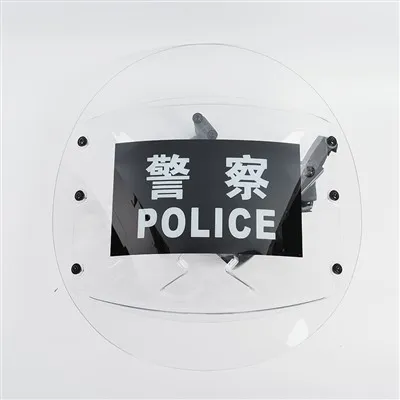
In conclusion, setting up road blocks in a residential neighborhood requires careful planning and consideration. By following these guidelines, you can ensure that the road blocks are installed in a way that enhances security, manages traffic effectively, and meets the needs of the community.
Bulletproof Vest If you are interested in purchasing road blocks for your residential neighborhood, I would be more than happy to discuss your requirements. Our team of experts can provide you with the best solutions tailored to your specific needs. Contact us to start a procurement discussion and take the first step towards a safer and more secure neighborhood.
References
- Traffic Management Handbook, various editions
- Local traffic and safety regulations from different municipalities
- Industry standards for road block manufacturing and installation
Jiangsu Jiuan Police Equipment Manufacturing Co., Ltd.
As one of the leading road block manufacturers and suppliers in China, we warmly welcome you to wholesale bulk cheap road block from our factory. All customized products are with high quality and low price. For free sample, contact us now.
Address: No. 9, Xihuan South Road, Jingjiang City, Jiangsu Province
E-mail: viola@jiuanpolice.cn
WebSite: https://www.japolice.com/
