Calibrating a flow meter is a critical process that ensures accurate measurement of fluid flow rates, which is essential for various industrial and commercial applications. As a supplier of flow meters, I understand the importance of proper calibration to maintain the reliability and performance of these devices. In this blog, I will share some insights on how to calibrate a flow meter effectively. Flow Meter
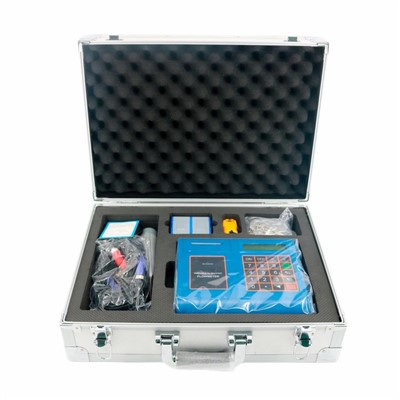
Understanding the Basics of Flow Meter Calibration
Before diving into the calibration process, it’s important to understand what calibration is and why it’s necessary. Calibration is the process of comparing the measurements of a flow meter against a known standard to determine its accuracy. Over time, flow meters can drift from their original calibration due to factors such as wear and tear, changes in fluid properties, or environmental conditions. By calibrating a flow meter regularly, you can ensure that it provides accurate and reliable measurements, which is crucial for process control, quality assurance, and regulatory compliance.
There are two main types of flow meter calibration: in-situ calibration and offline calibration. In-situ calibration involves calibrating the flow meter while it is installed in the pipeline, without removing it from the system. This method is often preferred because it minimizes downtime and disruption to the process. Offline calibration, on the other hand, involves removing the flow meter from the pipeline and calibrating it in a laboratory or calibration facility. This method provides more accurate results but may require more time and resources.
Preparing for Flow Meter Calibration
Before you start the calibration process, there are several steps you need to take to ensure that the flow meter is ready for calibration. Here are some key considerations:
- Review the Manufacturer’s Instructions: The first step is to review the manufacturer’s instructions for your flow meter. The instructions will provide specific details on how to calibrate the flow meter, including the recommended calibration frequency, the calibration procedure, and the required equipment. Make sure you follow the instructions carefully to ensure accurate and reliable results.
- Inspect the Flow Meter: Before calibration, inspect the flow meter for any signs of damage or wear. Check the sensors, connections, and wiring for any loose or damaged components. If you notice any issues, repair or replace the damaged parts before proceeding with the calibration.
- Clean the Flow Meter: Clean the flow meter to remove any dirt, debris, or contaminants that may affect its performance. Use a mild detergent and a soft cloth to clean the exterior of the flow meter. If the flow meter has internal components that require cleaning, follow the manufacturer’s instructions for disassembling and cleaning the device.
- Verify the Flow Conditions: Before calibration, verify the flow conditions in the pipeline, including the flow rate, pressure, temperature, and fluid properties. Make sure the flow conditions are within the specified operating range of the flow meter. If the flow conditions are outside the operating range, adjust the flow rate or other parameters to bring them within the acceptable range.
In-Situ Calibration of Flow Meters
In-situ calibration is a common method for calibrating flow meters in industrial and commercial applications. This method involves calibrating the flow meter while it is installed in the pipeline, without removing it from the system. Here are the general steps for in-situ calibration of flow meters:
- Select a Calibration Standard: The first step in in-situ calibration is to select a calibration standard. A calibration standard is a device or system that provides a known flow rate for comparison with the measurements of the flow meter. There are several types of calibration standards available, including primary standards, secondary standards, and transfer standards. The choice of calibration standard depends on the accuracy requirements, the flow rate range, and the type of flow meter being calibrated.
- Install the Calibration Standard: Once you have selected a calibration standard, install it in the pipeline upstream or downstream of the flow meter. Make sure the calibration standard is properly connected to the pipeline and the flow meter. Follow the manufacturer’s instructions for installing and operating the calibration standard.
- Perform the Calibration: With the calibration standard installed, start the flow in the pipeline and adjust the flow rate to the desired value. Record the measurements of the flow meter and the calibration standard at several flow rates. Compare the measurements of the flow meter with the measurements of the calibration standard to determine the accuracy of the flow meter. If the measurements of the flow meter deviate from the measurements of the calibration standard, adjust the calibration settings of the flow meter to bring the measurements into agreement.
- Verify the Calibration: After adjusting the calibration settings of the flow meter, verify the calibration by repeating the calibration process at several flow rates. Make sure the measurements of the flow meter are within the acceptable tolerance range of the calibration standard. If the measurements are still outside the tolerance range, repeat the calibration process until the measurements are within the acceptable range.
Offline Calibration of Flow Meters
Offline calibration is a more accurate method for calibrating flow meters, but it requires removing the flow meter from the pipeline and calibrating it in a laboratory or calibration facility. Here are the general steps for offline calibration of flow meters:
- Remove the Flow Meter: The first step in offline calibration is to remove the flow meter from the pipeline. Make sure you follow the manufacturer’s instructions for removing the flow meter safely. Disconnect the flow meter from the pipeline and any other components, such as sensors or transmitters.
- Transport the Flow Meter: Once the flow meter is removed from the pipeline, transport it to the calibration facility. Make sure you handle the flow meter carefully to avoid any damage or contamination. Use a suitable container or packaging to protect the flow meter during transport.
- Perform the Calibration: At the calibration facility, the flow meter will be calibrated using a calibrated flow standard. The calibration process will typically involve measuring the flow rate of the flow meter at several flow rates and comparing the measurements with the measurements of the calibrated flow standard. If the measurements of the flow meter deviate from the measurements of the calibrated flow standard, the calibration settings of the flow meter will be adjusted to bring the measurements into agreement.
- Verify the Calibration: After adjusting the calibration settings of the flow meter, the calibration will be verified by repeating the calibration process at several flow rates. Make sure the measurements of the flow meter are within the acceptable tolerance range of the calibrated flow standard. If the measurements are still outside the tolerance range, the calibration process will be repeated until the measurements are within the acceptable range.
- Reinstall the Flow Meter: Once the calibration is verified, the flow meter will be reinstalled in the pipeline. Make sure you follow the manufacturer’s instructions for reinstalling the flow meter safely. Connect the flow meter to the pipeline and any other components, such as sensors or transmitters.
Maintaining Flow Meter Calibration
Calibrating a flow meter is not a one-time process. To ensure the accuracy and reliability of the flow meter over time, it’s important to maintain its calibration regularly. Here are some tips for maintaining flow meter calibration:
- Follow the Manufacturer’s Recommendations: The manufacturer’s recommendations for calibration frequency and maintenance procedures are based on extensive testing and experience. Make sure you follow the manufacturer’s recommendations to ensure the proper operation and calibration of the flow meter.
- Monitor the Flow Conditions: Monitor the flow conditions in the pipeline, including the flow rate, pressure, temperature, and fluid properties. Any changes in the flow conditions can affect the performance of the flow meter and may require recalibration.
- Perform Regular Inspections: Perform regular inspections of the flow meter to check for any signs of damage or wear. Look for leaks, loose connections, or other issues that may affect the accuracy of the flow meter. If you notice any issues, repair or replace the damaged parts as soon as possible.
- Keep a Calibration Record: Keep a record of all calibration activities, including the date of calibration, the calibration results, and any adjustments made to the flow meter. This record will help you track the performance of the flow meter over time and ensure that it is calibrated at the appropriate intervals.
Conclusion

Calibrating a flow meter is a critical process that ensures accurate measurement of fluid flow rates, which is essential for various industrial and commercial applications. As a supplier of flow meters, I understand the importance of proper calibration to maintain the reliability and performance of these devices. By following the steps outlined in this blog, you can calibrate a flow meter effectively and ensure that it provides accurate and reliable measurements.
Submersible Level Meter If you have any questions or need further assistance with flow meter calibration, please don’t hesitate to contact us. We would be happy to discuss your specific needs and provide you with the best solutions for your application.
References
- Flow Measurement Handbook: Industrial Designs, Operating Principles, Performance, and Applications
- ISO 5167: Measurement of fluid flow by means of pressure differential devices inserted in circular cross-section conduits running full
- ASME MFC-3M: Methods for the measurement of fluid flow in pipes using orifice, nozzle, and Venturi
Dalian Yheng Technology Co., Ltd.
Dalian Yheng Technology Co., Ltd. is one of the leading flow meter manufacturers and suppliers in China, also supports customized service. We warmly welcome you to buy high quality flow meter in stock here from our factory. Contact us for more details.
Address: F1605, NO.10 Huoju road, High-tech Industrial Zone, Dalian, China
E-mail: admin@dlyheng.com
WebSite: https://www.yhengphmeter.com/
