Dust is an omnipresent challenge in various industrial settings, and its impact on the Auxiliary Machine Series can be both detrimental and costly. As a supplier specializing in the production and distribution of the Auxiliary Machine Series, I understand the significance of preventing dust from affecting these vital pieces of equipment. In this blog, I will share some practical insights and strategies on how to safeguard the Auxiliary Machine Series from the adverse effects of dust. Auxiliary Machine Series

Understanding the Impact of Dust on Auxiliary Machine Series
Before delving into preventive measures, it is essential to understand how dust can affect the Auxiliary Machine Series. Dust particles can infiltrate the internal components of the machines, leading to increased friction, wear and tear, and overheating. This not only reduces the efficiency and performance of the machines but also shortens their lifespan. In addition, dust accumulation can cause blockages in ventilation systems, filters, and pipes, further exacerbating the problem.
Moreover, dust can also have a negative impact on the quality of the products produced by the Auxiliary Machine Series. For example, in the plastics industry, dust particles can contaminate the plastic pellets, leading to defects in the final products. In the food and beverage industry, dust can pose a health risk if it contaminates the food products. Therefore, preventing dust from affecting the Auxiliary Machine Series is not only crucial for the proper functioning of the machines but also for ensuring the quality and safety of the products.
Preventive Measures
1. Regular Cleaning and Maintenance
One of the most effective ways to prevent dust from affecting the Auxiliary Machine Series is to implement a regular cleaning and maintenance schedule. This includes cleaning the exterior of the machines, as well as the internal components such as filters, fans, and motors. Regular cleaning helps to remove dust and other debris before they can accumulate and cause problems.
In addition to cleaning, regular maintenance is also essential for ensuring the proper functioning of the machines. This includes checking the lubrication levels, tightening loose bolts and screws, and inspecting the electrical connections. By performing regular maintenance, any potential issues can be identified and addressed before they become major problems.
2. Installing Dust Collection Systems
Another effective way to prevent dust from affecting the Auxiliary Machine Series is to install dust collection systems. These systems are designed to capture and remove dust particles from the air before they can settle on the machines. There are several types of dust collection systems available, including baghouse filters, cyclone separators, and electrostatic precipitators.
When choosing a dust collection system, it is important to consider the specific needs and requirements of your facility. Factors such as the type and amount of dust generated, the size of the machines, and the layout of the facility should all be taken into account. In addition, it is important to ensure that the dust collection system is properly installed and maintained to ensure its effectiveness.
3. Implementing Proper Ventilation
Proper ventilation is also crucial for preventing dust from affecting the Auxiliary Machine Series. Good ventilation helps to remove dust and other contaminants from the air, reducing the concentration of dust particles in the workplace. This can be achieved through the installation of exhaust fans, ventilation ducts, and air filters.
In addition to providing ventilation for the machines, it is also important to ensure that the workplace as a whole is well-ventilated. This includes providing fresh air intake and exhaust systems, as well as ensuring that the ventilation systems are properly maintained and cleaned.
4. Using Dust-Resistant Enclosures
Using dust-resistant enclosures is another effective way to protect the Auxiliary Machine Series from dust. These enclosures are designed to prevent dust from entering the machines, providing an additional layer of protection. Dust-resistant enclosures can be made from a variety of materials, including plastic, metal, and fiberglass.
When choosing a dust-resistant enclosure, it is important to consider the specific needs and requirements of your machines. Factors such as the size and shape of the machines, the level of dust protection required, and the accessibility of the machines for maintenance and operation should all be taken into account.
5. Training Employees on Dust Prevention
Finally, it is important to train employees on the importance of dust prevention and the proper procedures for cleaning and maintaining the Auxiliary Machine Series. Employees should be aware of the potential hazards of dust and the impact it can have on the machines and the products. They should also be trained on how to use the dust collection systems and other preventive measures effectively.
In addition to training employees on dust prevention, it is also important to encourage them to take ownership of the machines and to report any issues or problems they notice. By involving employees in the dust prevention process, you can create a culture of safety and responsibility in the workplace.
Conclusion
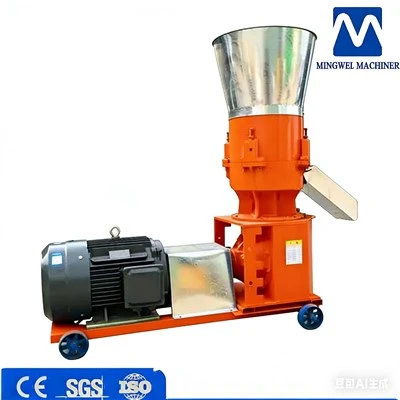
Dust can have a significant impact on the performance and lifespan of the Auxiliary Machine Series, as well as the quality and safety of the products. However, by implementing the preventive measures outlined in this blog, you can effectively protect your machines from the adverse effects of dust. Regular cleaning and maintenance, installing dust collection systems, implementing proper ventilation, using dust-resistant enclosures, and training employees on dust prevention are all essential steps in preventing dust from affecting the Auxiliary Machine Series.
Fermentation Compost Equipment As a supplier of the Auxiliary Machine Series, I am committed to providing our customers with high-quality products and services. If you have any questions or concerns about how to prevent dust from affecting your machines, please don’t hesitate to contact me. We can work together to develop a customized solution that meets your specific needs and requirements. Whether you are looking to upgrade your existing dust prevention systems or are in the market for new Auxiliary Machine Series, I invite you to reach out for procurement discussions.
References
- "Industrial Dust Control: A Practical Guide" by John A. Lilley
- "Dust Collection Handbook" by Donald W. Cooper and F. C. Alley
- "Fundamentals of Industrial Ventilation" by the American Conference of Governmental Industrial Hygienists (ACGIH)
Henan Mingwei Machinery Equipment Co., Ltd.
As one of the most experienced auxiliary machine manufacturers in China, we have world-leading production equipment and strong manufacturing capabilities. Please rest assured to buy durable auxiliary machine for sale here from our factory. For price consultation, contact us.
Address: No.461 Qudong Jinsui Avenue, Hongqi District, Xinxiang City, Henan Province, China
E-mail: info@hnmwm.com
WebSite: https://www.hnmwmequip.com/
