When it comes to Aluminum Printed Circuit Boards (Aluminum PCBs), selecting the appropriate solder is a crucial decision that can significantly impact the performance and reliability of the final product. As an Aluminum PCB supplier, I understand the importance of guiding our customers through this process. In this blog, I’ll delve into the different types of solders and help you determine which one is most suitable for your Aluminum PCB needs. Aluminum PCB
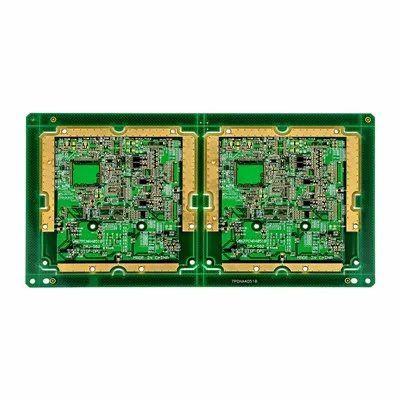
Understanding Aluminum PCBs
Before we jump into the types of solder, it’s essential to understand the unique characteristics of Aluminum PCBs. Aluminum PCBs consist of a layer of aluminum base, an insulating dielectric layer, and a copper circuit layer. The aluminum base provides excellent thermal conductivity, which is ideal for applications that require efficient heat dissipation, such as LED lighting, power supplies, and automotive electronics. However, the surface of aluminum is prone to oxidation, forming a thin layer of aluminum oxide that can hinder the soldering process.
Types of Solder for Aluminum PCBs
Tin – Lead Solder
Tin – lead solder has been a traditional choice in the electronics industry for decades. Composed mainly of tin (Sn) and lead (Pb), it offers several advantages. It has a relatively low melting point, typically around 183 – 190°C, which makes it easy to work with during the soldering process. The low melting point reduces the risk of overheating the Aluminum PCB and damaging its components.
Moreover, tin – lead solder provides good wetting properties, meaning it spreads evenly over the solder pads and forms a strong bond with the copper circuit layer on the Aluminum PCB. This results in reliable electrical connections and mechanical stability.
However, there are some drawbacks to using tin – lead solder. Lead is a toxic substance, and its use has been restricted in many countries due to environmental and health concerns. The Restriction of Hazardous Substances (RoHS) directive in the European Union, for example, restricts the use of lead in electronic products. As a result, the use of tin – lead solder is becoming less common in the modern electronics industry, especially for products intended for markets with strict environmental regulations.
Lead – Free Solder
In response to the environmental concerns associated with lead, lead – free solders have gained significant popularity in recent years. There are several types of lead – free solders, each with its own set of properties.
Tin – Silver – Copper (SAC) Solder
SAC solder is one of the most widely used lead – free solders for Aluminum PCBs. It typically contains around 96.5% tin, 3% silver, and 0.5% copper. SAC solder has a relatively high melting point, usually around 217 – 221°C, compared to tin – lead solder. The higher melting point requires more precise temperature control during the soldering process to avoid overheating the Aluminum PCB.
One of the main advantages of SAC solder is its excellent mechanical properties. It forms strong and reliable solder joints that can withstand mechanical stress and thermal cycling. This makes it suitable for applications in harsh environments, such as automotive and industrial electronics. Additionally, SAC solder has good electrical conductivity, which is essential for maintaining the performance of the Aluminum PCB.
However, the higher melting point of SAC solder also means that it requires more energy to melt, which can increase the cost of production. Moreover, the presence of silver in SAC solder makes it relatively expensive compared to other types of lead – free solders.
Tin – Copper (Sn – Cu) Solder
Tin – copper solder is another popular lead – free option. It typically contains around 99.3% tin and 0.7% copper. Sn – Cu solder has a melting point of around 227°C, which is slightly higher than SAC solder.
Sn – Cu solder is more cost – effective than SAC solder because it does not contain silver. It also offers good wetting properties and forms reliable solder joints. However, its mechanical properties are not as good as those of SAC solder. Sn – Cu solder may be more prone to cracking under high – stress conditions, which limits its use in applications that require high mechanical stability.
Aluminum – Specific Solder
To address the challenges of soldering directly to aluminum, some manufacturers have developed aluminum – specific solders. These solders are designed to overcome the problem of aluminum oxidation and form a strong bond with the aluminum surface.
Aluminum – specific solders often contain elements such as zinc (Zn), magnesium (Mg), or silicon (Si). These elements can react with the aluminum oxide layer on the surface of the Aluminum PCB, breaking it down and allowing the solder to wet the aluminum surface.
One of the advantages of using aluminum – specific solder is that it can provide a direct and reliable connection to the aluminum base of the PCB. This can improve the thermal conductivity of the PCB by reducing the thermal resistance between the components and the aluminum base. However, aluminum – specific solders are relatively new in the market, and they may be more expensive and less widely available compared to traditional solder types.
Factors to Consider When Choosing Solder for Aluminum PCBs
Application Requirements
The first factor to consider is the specific requirements of your application. If your product needs to meet strict environmental regulations, lead – free solder is the obvious choice. For applications that require high mechanical stability, such as automotive electronics, SAC solder may be more suitable due to its excellent mechanical properties. On the other hand, if cost is a major concern and the application does not require extremely high mechanical strength, Sn – Cu solder or tin – lead solder (if permitted) could be considered.
Manufacturing Process
The manufacturing process also plays an important role in solder selection. If your manufacturing process has strict temperature limitations, a solder with a lower melting point, such as tin – lead or some formulations of lead – free solder, may be more appropriate. The soldering method, whether it’s manual soldering, wave soldering, or reflow soldering, can also affect the choice of solder. For example, reflow soldering requires a solder that can melt and reflow evenly under precise temperature profiles.
Cost
Cost is always a significant factor in any manufacturing process. Tin – lead solder is generally the least expensive option, but its use is limited by environmental regulations. Among lead – free solders, Sn – Cu solder is more cost – effective than SAC solder due to the absence of silver. Aluminum – specific solders are typically the most expensive, but they may offer unique benefits for certain applications.
Conclusion

Selecting the right solder for Aluminum PCBs is a complex decision that requires careful consideration of various factors, including application requirements, manufacturing process, and cost. As an Aluminum PCB supplier, we are committed to providing our customers with the best products and technical support. We can help you evaluate the different types of solders and choose the one that best suits your specific needs.
SMT PCB Assembly If you are interested in purchasing Aluminum PCBs or need more information about solder selection, please feel free to contact us. Our team of experts is ready to assist you with your procurement and answer any questions you may have.
References
- "Introduction to Soldering in Electronics Manufacturing" by an industry – recognized electronics manufacturing textbook.
- "Lead – Free Soldering Technology" research papers from relevant academic journals.
- Technical datasheets of different solder manufacturers.
Huaswin Electronics Technology Co., Ltd.
Address: Building A2, Hao Hai Hong Industrial Park, No.3 Yu He Road, Gong He, Sha Jing, Bao An, Shenzhen
E-mail: sales@huaswin.com
WebSite: https://www.huaswin-pcba.com/
