In the industrial realm, horizontal slurry pumps play a pivotal role in handling abrasive and corrosive slurries across various sectors such as mining, metallurgy, and chemical industries. As a trusted supplier of horizontal slurry pumps, I’ve received numerous inquiries from customers regarding abnormal noises emanating from these pumps. These noises not only indicate potential operational issues but also impact the efficiency and longevity of the equipment. In this blog, I’ll delve into the common causes of abnormal noises in horizontal slurry pumps and offer insights on how to address them. Horizontal Slurry Pump

1. Cavitation
One of the primary culprits behind abnormal noises in horizontal slurry pumps is cavitation. Cavitation occurs when the pressure of the liquid at the impeller inlet drops below its vapor pressure, causing the liquid to vaporize and form small bubbles. As these bubbles move to regions of higher pressure, they collapse violently, generating shock waves that can produce a characteristic crackling or popping noise.
Several factors can contribute to cavitation in horizontal slurry pumps. Insufficient net positive suction head (NPSH) is a common cause, which can result from low fluid levels in the suction tank, clogged suction pipes, or an excessive suction lift. Additionally, high pump speeds can also increase the likelihood of cavitation. When the pump impeller rotates too quickly, it can create low-pressure zones that promote bubble formation.
To mitigate cavitation, it’s essential to ensure that the pump is operating within its recommended NPSH range. This may involve adjusting the suction tank level, cleaning or replacing clogged suction pipes, or reducing the suction lift. Additionally, selecting the appropriate pump speed and impeller design can help minimize the risk of cavitation.
2. Mechanical Wear and Tear
Over time, the components of a horizontal slurry pump can experience mechanical wear and tear, leading to abnormal noises. The impeller, for example, is constantly in contact with the abrasive slurry, causing it to wear down. As the impeller wears, its balance can be affected, leading to vibrations and noise. Similarly, the bearings and seals of the pump can also wear out, resulting in increased friction and abnormal sounds.
The quality of the materials used in the pump’s construction can also impact its durability. Using low-quality materials or substandard manufacturing processes can accelerate wear and tear, leading to premature failure of the pump. Additionally, operating the pump under harsh conditions, such as high temperatures or extreme pressures, can also exacerbate the problem.
Regular maintenance and inspection are crucial for preventing mechanical wear and tear in horizontal slurry pumps. This includes checking and replacing worn components, such as the impeller, bearings, and seals, at regular intervals. Additionally, ensuring proper lubrication of the pump’s moving parts can help reduce friction and extend the lifespan of the equipment.
3. Foreign Objects in the Pump
Another common cause of abnormal noises in horizontal slurry pumps is the presence of foreign objects in the pump. These objects can enter the pump through the suction pipe or be present in the slurry itself. When foreign objects get caught in the impeller or other internal components of the pump, they can cause excessive vibrations and noise.
The type of slurry being pumped can also increase the likelihood of foreign objects entering the pump. For example, in mining applications, the slurry may contain rocks, gravel, or other debris that can damage the pump. Additionally, improper filtration or screening of the slurry can allow foreign objects to pass through and enter the pump.
To prevent foreign objects from entering the pump, it’s important to install proper filtration and screening systems. This can include coarse screens or filters at the inlet of the suction pipe to remove large debris, as well as fine filters to remove smaller particles. Regular inspection of the suction pipe and pump components can also help detect and remove any foreign objects before they cause damage.
4. Misalignment
Misalignment of the pump and motor can also result in abnormal noises in horizontal slurry pumps. When the pump and motor are not properly aligned, it can cause excessive vibrations and stress on the pump’s components. This can lead to premature wear and tear, as well as noise during operation.
There are several types of misalignment that can occur, including angular misalignment, parallel misalignment, and combined misalignment. Angular misalignment occurs when the axes of the pump and motor are not parallel, while parallel misalignment occurs when the axes are parallel but offset. Combined misalignment is a combination of both angular and parallel misalignment.
Proper alignment of the pump and motor is essential for ensuring smooth operation and reducing noise. This can be achieved through the use of alignment tools, such as laser alignment systems, to ensure that the pump and motor are aligned within the manufacturer’s specifications. Regular checking and adjustment of the alignment can also help prevent misalignment issues from occurring.
5. Resonance
Resonance is another factor that can cause abnormal noises in horizontal slurry pumps. Resonance occurs when the natural frequency of the pump or its components coincides with the frequency of the vibrations generated during operation. When this happens, the vibrations can be amplified, resulting in excessive noise and potential damage to the pump.
The design of the pump and its installation can influence the likelihood of resonance. For example, a pump installed on a flexible foundation may be more prone to resonance than one installed on a rigid foundation. Additionally, the piping system connected to the pump can also affect the resonance frequency.
To avoid resonance, it’s important to consider the design and installation of the pump carefully. This may involve selecting a suitable foundation and ensuring proper support for the pump and piping system. Additionally, damping materials can be used to reduce the amplitude of vibrations and prevent resonance from occurring.
Conclusion
Abnormal noises in horizontal slurry pumps can be indicative of various underlying issues, ranging from cavitation and mechanical wear and tear to the presence of foreign objects, misalignment, and resonance. As a supplier of horizontal slurry pumps, I understand the importance of addressing these issues promptly to ensure the efficient and reliable operation of the equipment.
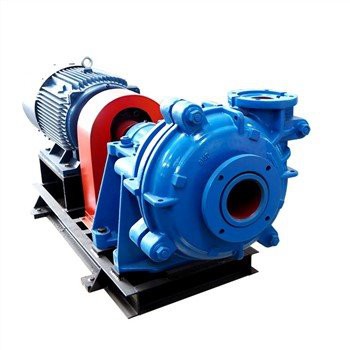
By understanding the common causes of abnormal noises and implementing appropriate maintenance and preventive measures, customers can minimize the risk of pump failure and prolong the lifespan of their equipment. Regular inspection, maintenance, and alignment checks are essential for ensuring the smooth operation of horizontal slurry pumps.
End Suction Chemical Pump If you’re experiencing abnormal noises in your horizontal slurry pump or have any other concerns about pump operation and maintenance, please don’t hesitate to contact us. Our team of experts is ready to assist you with all your pump-related needs and provide you with the best solutions for your specific applications.
References
- Pump Handbook, Karassik, I. J., Messina, J. P., Cooper, P. , & Heald, C. C. (Eds.). (2008). McGraw-Hill.
- Centrifugal Pumps: Design and Application, Stepanoff, A. J. (1957). John Wiley & Sons.
- Slurry Pumping Applications Handbook, Wilkes, J. O. (2005). Elsevier.
Hebei Tongda Pump Co., Ltd.
Hebei Tongda Pump Co., Ltd. is well-known as one of the leading horizontal slurry pump manufacturers and suppliers in China. Our factory offers high quality horizontal slurry pump made in China with competitive price. Welcome to contact us for pricelist.
Address: No.158, Bo Ming Xi Lu, Boye County, Baoding City, Hebei Province
E-mail: wendy@hbtdby.com
WebSite: https://www.waterpumpmanufacturer.com/
