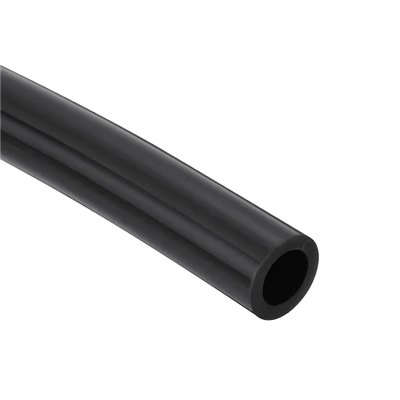
Hey there! I’m a supplier of Rubber Welding Hoses, and I often get asked about the temperature range these hoses can handle. It’s a super important question because using a hose outside its recommended temperature range can lead to all sorts of problems, from reduced performance to complete failure. So, let’s dive right in and talk about what temperature range you should expect from a Rubber Welding Hose. Rubber Welding Hose
Understanding the Basics of Rubber Welding Hoses
Before we get into the temperature stuff, let’s quickly go over what a Rubber Welding Hose is for. These hoses are used in welding and cutting operations to deliver gases like oxygen and acetylene from the gas cylinders to the welding torch. They need to be tough, flexible, and able to withstand the rigors of the welding environment.
Rubber is a popular choice for these hoses because it has some great properties. It’s flexible, which makes it easy to move the welding torch around. It’s also resistant to abrasion, so it can handle being dragged across the floor or bumped into equipment without getting damaged too easily. And of course, it needs to be able to handle the pressure of the gases flowing through it.
The Ideal Temperature Range
So, what’s the temperature range for a Rubber Welding Hose? Well, most standard Rubber Welding Hoses are designed to operate within a temperature range of -20°C to 60°C (-4°F to 140°F). This range is kind of a sweet spot for these hoses. Within this temperature range, the rubber stays flexible, the hose maintains its shape, and the gases can flow through it without any issues.
If the temperature gets too cold, say below -20°C, the rubber starts to lose its flexibility. It becomes stiff and brittle, which can make it more likely to crack or break. A cracked hose is a huge problem because it can lead to gas leaks, which are not only dangerous but can also waste a lot of money. You don’t want to be in the middle of a welding job and have your hose start leaking gas!
On the other hand, if the temperature gets too hot, above 60°C, the rubber can start to break down. It can become soft and sticky, which can cause the hose to lose its shape. This can also lead to gas leaks, as well as a decrease in the hose’s overall strength and durability. And let’s face it, a weak hose is not going to last very long in a busy welding shop.
Factors That Can Affect the Temperature Range
Now, it’s important to note that the -20°C to 60°C temperature range is just a general guideline. There are a few factors that can affect how well a Rubber Welding Hose performs within this range.
One of the biggest factors is the type of rubber used in the hose. Different types of rubber have different temperature ratings. For example, some hoses are made with special heat-resistant rubber, which can handle higher temperatures than standard rubber. These hoses are great for applications where the welding process generates a lot of heat, like in heavy industry or in welding thick pieces of metal.
Another factor is the thickness of the hose. Thicker hoses tend to be more resistant to temperature changes than thinner hoses. This is because the extra layer of rubber provides more insulation, which helps to keep the internal temperature of the hose more stable.
The environment where the hose is used can also have an impact. If the hose is exposed to direct sunlight for long periods of time, it can heat up more quickly than if it’s kept in a shaded area. Similarly, if the hose is used in a cold, drafty area, it can cool down faster than if it’s used in a warm, enclosed space.
Choosing the Right Hose for Your Temperature Needs
So, how do you choose the right Rubber Welding Hose for your specific temperature needs? Well, the first thing you need to do is figure out what temperature range you’ll be operating in. If you’re working in a normal temperature environment, say between -20°C and 60°C, then a standard Rubber Welding Hose should be fine.
But if you’re working in a more extreme temperature environment, you’ll need to look for a hose that’s designed to handle those temperatures. For example, if you’re working in a very hot environment, you might want to consider a hose made with heat-resistant rubber. These hoses are usually more expensive than standard hoses, but they can save you a lot of money in the long run by lasting longer and not needing to be replaced as often.
On the other hand, if you’re working in a very cold environment, you might want to look for a hose that’s designed to be more flexible at low temperatures. These hoses usually have a special additive in the rubber that helps to keep it flexible even in cold weather.
Maintaining Your Rubber Welding Hose
Once you’ve chosen the right Rubber Welding Hose for your temperature needs, it’s important to take good care of it. This includes storing it properly when it’s not in use. You should always store your hose in a cool, dry place, away from direct sunlight and heat sources. This will help to prevent the rubber from breaking down prematurely.
You should also inspect your hose regularly for any signs of damage, such as cracks, cuts, or leaks. If you notice any damage, you should replace the hose immediately. Don’t try to patch up a damaged hose, as this can be dangerous and can lead to gas leaks.
Conclusion
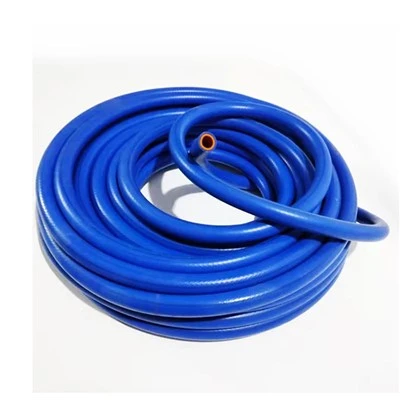
So, there you have it! The temperature range for a Rubber Welding Hose is typically between -20°C and 60°C, but this can vary depending on the type of rubber, the thickness of the hose, and the environment where it’s used. By choosing the right hose for your temperature needs and taking good care of it, you can ensure that your Rubber Welding Hose lasts a long time and performs well.
Brake Hose If you’re in the market for a Rubber Welding Hose, I’d love to help you find the right one for your needs. Whether you need a standard hose for normal temperature environments or a special hose for extreme temperatures, we have a wide range of options to choose from. Just reach out to us and we can start a conversation about your specific requirements.
References
- Welding Industry Handbook: General guidelines on rubber welding hose specifications.
- Rubber Manufacturer’s Technical Manual: Information on rubber properties and temperature ratings.
Ningbo Haidu Auto Parts Co., Ltd.
As one of the most professional rubber welding hose manufacturers and suppliers in China, we’re featured by cheap products and good service. Please rest assured to buy durable rubber welding hose at competitive price from our factory. Also, OEM service is available.
Address:
E-mail: Sale6@sterlingautoparts.com
WebSite: https://www.cnsiliconehose.com/
