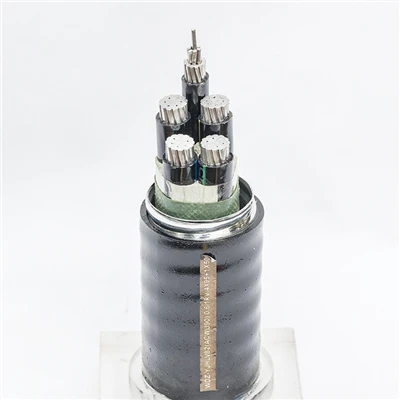
As a VFD (Variable Frequency Drive) cable supplier, I’ve seen first – hand the crucial role these cables play in industrial and commercial electrical systems. A faulty VFD cable can lead to a host of problems, from minor operational glitches to major system failures. In this blog post, I’ll share some key signs that indicate a VFD cable may be faulty. VFD Cable

Physical Damage
One of the most obvious signs of a faulty VFD cable is physical damage. This can include cuts, abrasions, or fraying on the outer jacket of the cable. These damages are often the result of improper installation, mechanical stress, or environmental factors.
During installation, if the cable is bent too sharply or pinched between objects, it can cause the outer layer to crack or break. Over time, continuous vibration in industrial settings can also wear down the cable’s jacket. For example, in a manufacturing plant where heavy machinery is constantly in operation, the cables are exposed to high – levels of vibration.
Exposure to harsh chemicals or extreme temperatures can also lead to physical degradation. In a chemical processing facility, corrosive substances may eat away at the cable’s outer insulation. Similarly, in a high – temperature environment like a foundry, the heat can cause the cable jacket to melt or become brittle.
When you notice physical damage, it’s essential to inspect the cable further. Sometimes, the damage can penetrate through the outer jacket and reach the inner conductors, leading to short circuits or electrical leakage.
Electrical Resistance Changes
Another sign of a faulty VFD cable is a change in electrical resistance. VFD cables are designed to have specific resistance values to ensure proper power transmission and signal integrity.
An increase in resistance can be caused by several factors. One common cause is oxidation of the conductors. Over time, the metal conductors inside the cable can react with oxygen in the air, forming a layer of oxide on the surface. This oxide layer increases the resistance of the conductor, reducing the efficiency of power transfer.
Corrosion due to moisture or chemical exposure can also lead to increased resistance. If the cable is installed in a damp area or comes into contact with corrosive substances, the conductors may corrode, altering their electrical properties.
A decrease in resistance can be equally problematic. It may indicate a short circuit within the cable, where the conductors are in direct contact with each other. This can cause excessive current flow, overheating the cable and potentially leading to a fire hazard.
To detect changes in electrical resistance, specialized testing equipment such as a multimeter can be used. Regular resistance testing is a good preventive measure to catch potential cable issues early.
Overheating
Overheating is a serious sign of a faulty VFD cable. When a cable overheats, it can damage the insulation and conductors, leading to further problems.
There are several reasons why a VFD cable may overheat. One reason is overloading. If the cable is carrying more current than it is rated for, it will generate excessive heat. This can happen when the connected equipment draws more power than expected or when there is a fault in the electrical system that causes an abnormal current surge.
Poor installation can also contribute to overheating. For example, if the cable is tightly bundled with other cables without proper ventilation, the heat generated cannot dissipate effectively. In addition, improper termination can cause high – resistance connections, which in turn generate heat.
Overheating can be detected by touch (if it’s safe to do so) or by using thermal imaging cameras. If you notice that a cable is unusually hot to the touch or shows up as a hot spot on a thermal image, it’s a clear indication that there is a problem.
Signal Interference
VFD cables are not only responsible for power transmission but also for carrying control signals. A faulty VFD cable can cause signal interference, which can disrupt the normal operation of the VFD system.
Electromagnetic interference (EMI) is a common type of signal interference in VFD cables. The high – frequency switching operation of VFDs generates electromagnetic fields, which can couple with the cable conductors and cause unwanted signals. If the cable’s shielding is compromised, either due to physical damage or poor installation, the EMI can be more severe.
Radio – frequency interference (RFI) can also occur. RFI can cause problems with the communication between the VFD and other control devices. For example, in an automated manufacturing process, the incorrect signals caused by RFI can lead to errors in machine operation, resulting in product defects or system downtime.
To detect signal interference, specialized EMI/RFI testing equipment can be used. If you suspect signal interference, it’s important to check the cable’s shielding and grounding to ensure they are functioning properly.
Unusual Noise or Arcing
If you hear unusual noises such as buzzing, crackling, or popping near the VFD cable, it could be a sign of a problem. These noises are often associated with arcing, which occurs when an electric current jumps across a gap in the insulation or between conductors.
Arcing can be caused by a variety of factors, including physical damage to the cable, high – voltage surges, or poor insulation. When arcing occurs, it can generate intense heat, which can further damage the cable and pose a fire hazard.
In some cases, you may also be able to see visible arcing, especially in low – light conditions. If you observe any signs of arcing or hear unusual noises, it’s crucial to shut down the system immediately and inspect the cable.
Reduced System Performance
A faulty VFD cable can also lead to reduced system performance. The VFD may experience erratic operation, such as sudden speed changes, torque fluctuations, or unexpected shutdowns.
These performance issues can be caused by the electrical problems mentioned above, such as changes in resistance, signal interference, or overheating. For example, if the cable is not transmitting power efficiently due to increased resistance, the VFD may not be able to provide the required power to the motor, resulting in reduced speed or torque.
In addition, signal interference can cause the VFD to receive incorrect control signals, leading to improper operation. If you notice any changes in the performance of your VFD system, it’s important to consider the condition of the cables as a potential cause.
Conclusion
As a VFD cable supplier, I understand the importance of ensuring the quality and reliability of these cables. Recognizing the signs of a faulty VFD cable early can help prevent costly system failures, downtime, and safety hazards.
If you suspect that your VFD cables are faulty, it’s crucial to take immediate action. You can start by conducting a visual inspection of the cables for physical damage. Then, use appropriate testing equipment to check for electrical resistance changes, overheating, and signal interference.
We are committed to providing high – quality VFD cables that meet the strictest industry standards. Our experienced team can also offer professional advice on cable installation, maintenance, and troubleshooting. If you are in need of VFD cables or have any questions about their performance and reliability, please don’t hesitate to contact us for further discussion. We are here to help you find the best solutions for your electrical system needs.
Instrumentation Cable References:
- Electrical Engineering Handbook, Third Edition, edited by Richard C. Dorf
- Variable Frequency Drives: Basics, Maintenance, and Troubleshooting by Bruce Hofer
- Cable Installation Handbook by John Towne
Anhui Huawang Cable Co., Ltd.
As one of the most professional vfd cable manufacturers and suppliers in China, we also support customized service. If you’re going to buy discount vfd cable, welcome to get pricelist from our factory. Quality products and reasonable price are available.
Address: No. 32, East Street, Batian Street, Datong Town, Tianchang City, Anhui Province
E-mail: Linda@huawangcable.com
WebSite: https://www.huawang-cable.com/
