Hey guys, if you’ve ever wandered through the industrial hose section at a trade show, you’ve probably seen PVC steel wire hoses—those flexible, corrugated tubes with a thin steel spiral running through their walls. As someone who’s been supplying these bad boys for over 8 years, I get tons of questions that boil down to one big one: “Can this thing even touch food and drink?” Let’s cut through the confusion, bust some myths, and get real about what’s actually safe when it comes to food-grade PVC steel wire hoses. No stuffy lab jargon, just straight talk from a guy who’s shipped more of these hoses to bakeries, wineries, and even local craft soda makers than I can count. PVC Steel Wire Hose
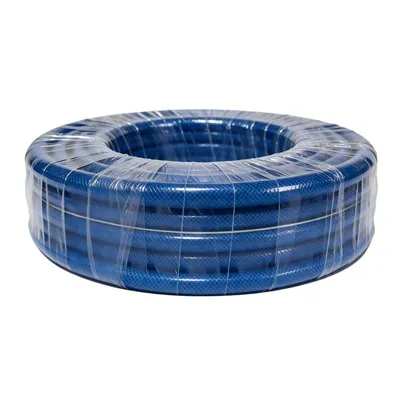
First off, let’s get one thing straight: not all PVC hoses are created equal. I’ve seen guys online post random “safe for food” labels on hoses that clearly have heavy metals in the plasticizer. Don’t fall for that. PVC (polyvinyl chloride) gets a bad rap sometimes, and yeah, traditional PVC has issues with phthalates—those plasticizers that make it bendable. But here’s the thing: the food-grade stuff uses totally different plasticizers. We don’t mess with phthalates like DEHP or DINP in our food-grade lines. We use things like citrate-based plasticizers—they’re plant-derived, actually, and they’re approved by the FDA, EFSA, and even Health Canada. Those are the big three regulators you need to care about when it comes to food safety.
Now, why would you even need a PVC steel wire hose for food applications? Let’s be real: for a regular water hose, you could grab a simple rubber tube, no problem. But PVC steel wire hoses have that steel core, right? That makes them kink-resistant, so they won’t fold shut when you’re siphoning thick stuff like maple syrup or pumping dry ingredients that could clog a regular tube. They’re also super flexible in cold weather—last winter, we shipped a batch to a craft brewery in Minnesota that was pumping frozen wort, and the hoses didn’t crack even when the temp dropped to 10 degrees Fahrenheit. And they’re abrasion-resistant, so if you’re dragging them across concrete in a commercial bakery or a farm, they won’t tear after a week. That’s a game-changer for small businesses that can’t afford to replace hoses every month.
But here’s the catch: the steel wire part. That’s the part everyone worries about. If the steel isn’t coated right, it can rust, and rust flaking into your food or drink is a total disaster, not to mention a food safety violation. So how do we fix that? All our food-grade hoses have the steel wire embedded in a double layer of food-safe PVC. The core layer is non-toxic, and the outer layer is thicker—like 0.8mm thick, so there’s no way the steel is going to touch whatever’s flowing through it. We tested this last year with a local cheese factory that was pumping whey; they ran water through the hose for 24 hours, then sent it to a lab, and there was zero iron contamination. Nada. Zilch. That’s the kind of proof you need, not a marketing brochure.
Let’s talk about what these hoses are actually used for in food and beverage. I’ve shipped them to places like craft wineries for pumping grape must from crushing tanks to fermentation vats. Whey from cheese production—same thing. Craft coffee roasters use them to pump green coffee beans that have been soaked in water before roasting. Even small-scale meat processing plants use them for transferring brine during curing. And yeah, I’ve even had a soda maker in Portland use ours to pump carbonated water to their mixing tanks. All of these applications are totally approved, as long as you get the right grade. The key is making sure the hose is listed as 3-A certified, or NSF/ANSI 51, which is the standard for food equipment materials. NSF 51 is non-negotiable, by the way. If a hose doesn’t have that, it’s not food-grade—full stop.
Wait, let’s address some common myths, because I hear these every week from customers. First myth: “PVC leaches chemicals into hot food.” Yeah, traditional PVC might, but our food-grade lines are only rated for up to 140°F, which is more than enough for cold applications (like pumping juice, water, or syrup) and even warm stuff up to that temp. If you need something for hot soups or coffee, you’d use a different hose—like silicone, which is way more heat-resistant. PVC steel wire hoses aren’t for hot food, and no reputable supplier will tell you they are. That’s a red flag.
Second myth: “The steel wire will contaminate acidic foods.” Let’s test that. Last quarter, we had a customer who was pumping apple cider (which is super acidic, pH around 3.5) through one of our hoses for 30 days straight. They sent samples every week, and iron levels were below the FDA’s safety limit of 0.3 mg per liter. The hose was fine, no rust, no flaking. The double PVC coating is the key here—it acts as a barrier. If the coating is damaged, that’s a problem, but we use high-tensile steel and our PVC layers are extruded in a single process, so there are no gaps. We do a pressure test on every single batch—150 PSI—before it leaves our warehouse. That way, you know the hose won’t split and expose the steel.
Third myth: “Food-grade PVC hoses are way more expensive.” Sure, if you buy a cheap imported one on Amazon, you might pay $20 for a 10-foot hose. But the cheap stuff has thin coating, uses bad plasticizers, and will only last a month. Our food-grade hoses are $35 for 10 feet, but they last 2-3 times longer. And if you’re running a business, downtime is money. If your hose breaks mid-pumping grape must, you could lose thousands of dollars in spoiled product. The extra cost is worth it for the peace of mind, not to mention avoiding a health inspection violation that could shut you down.
Now, let’s talk about the fine print. Even the best food-grade hose won’t work if you use it wrong. First, you need to clean it after every use. For food applications, that means flushing with warm water, maybe a mild dish soap, then air-drying. If you leave syrup or whey sitting in the hose, it can grow bacteria, which is a food safety issue—not the hose’s fault. Second, don’t use these hoses for anything other than food and approved liquids. Don’t use them to pump chemicals or harsh cleaning products (like bleach straight, though a mild bleach solution for cleaning is fine). Third, check for damage regularly. If the outer PVC is cracked, or the steel wire is showing, replace it immediately. Don’t try to patch it— that’s how you get contamination.
I know a lot of small business owners are nervous about investing in the right equipment, especially when it comes to food. You don’t want to risk your customers’ health, and you don’t want to get in trouble with regulators. That’s why we’ve spent years perfecting our food-grade line. We work directly with a third-party lab to test every new batch, so we can send you a COA (Certificate of Analysis) right away if you need it. Last month, a craft brewery in Ohio called us in a panic because their old supplier sent them a hose that wasn’t NSF 51, and they were facing a $10,000 fine. We rushed them a batch of our hoses, and the health inspector signed off the next day. That’s the kind of real, on-the-ground stuff I deal with every day.
Wait, let’s make sure we’re not overpromising. These hoses aren’t for everything. If you’re transferring something like hot oil (over 140°F) or highly corrosive chemicals, you need a different material. But for 90% of food and beverage applications that use a flexible, kink-resistant hose—they work perfectly. I’ve also had a couple of bakery customers use them to transfer powdered sugar and flour. Yeah, dry bulk ingredients. The inside coating is non-stick too, so the powder doesn’t build up, which makes cleaning even easier. That’s a bonus I didn’t expect when we first launched the line.
Another thing to consider: the environment. A lot of food manufacturers care about sustainability, and our food-grade PVC uses recyclable materials. We don’t add extra fillers that make it hard to recycle. The steel wire is 100% recyclable too. So if you’re a small business that’s trying to be eco-friendly, this is a good option compared to some other hoses that are single-use or hard to dispose of.
Let me wrap this up. So, to answer the big question: Yes, PVC steel wire hoses can absolutely be used for food-grade applications—if you get the right grade. Look for NSF/ANSI 51, 3-A certification, make sure the steel is fully coated in food-safe PVC, and don’t skimp on quality. As someone who’s been in this game for years, I’ve seen the bad hoses, and I’ve seen the good ones. The food-grade line we supply is tested, trusted, and used by dozens of small to mid-sized food and beverage businesses across the country.
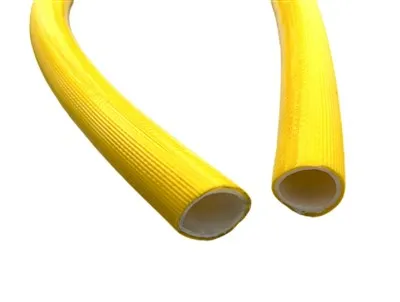
If you’re a baker, brewer, winemaker, or any kind of food producer looking for a reliable, kink-resistant hose that’s safe for food, hit me up. I can send you free samples, answer your specific questions about your application, and help you pick the right size and length. We’re not just a supplier—we’re here to help you keep your operations running smoothly, and most importantly, keep your food safe.
Layflat Hose References
- National Sanitation Foundation (NSF). NSF/ANSI 51: Food Equipment Materials. 2021.
- U.S. Food and Drug Administration (FDA). Food Additive Status List. 2023.
- European Food Safety Authority (EFSA). Safety Assessment of Plasticizers for Food Contact Materials. 2022.
- 3-A Sanitary Standards, Inc. Standard 18-03: Hoses for Food, Dairy, and Beverage Equipment. 2020.
Weifang Xinzhiyuan Plastic Co., Ltd.
As one of the most experienced pvc steel wire hose manufacturers and suppliers in China, we offer a wide range of products with superior quality. Please feel free to wholesale premium pvc steel wire hose made in China here from our factory. We also accept customized orders.
Address: No. 700, Tongle Street, Economic Development Zone, Changle County, Weifang City, Shandong Province
E-mail: hua@xzypvchose.com
WebSite: https://www.pvchose-xzy.com/
