If you’ve ever stepped into a well-worn pair of jeans that fit like they were made just for you, chances are you’ve experienced the magic of Japanese twill denim. As someone who’s been supplying custom and premium twill denim for over a decade—working directly with small-batch apparel makers and big-name brands alike—I’ve spent countless hours in mills across Japan, talking to the master weavers who’ve refined this fabric for generations. It’s not just a material; it’s a craft, a process, and a piece of Japanese textile history that’s still evolving today. Let me break down what makes Japanese twill denim so special, how it’s different from other denims, and why it’s become the go-to for brands and consumers who care about quality. Twill Denim
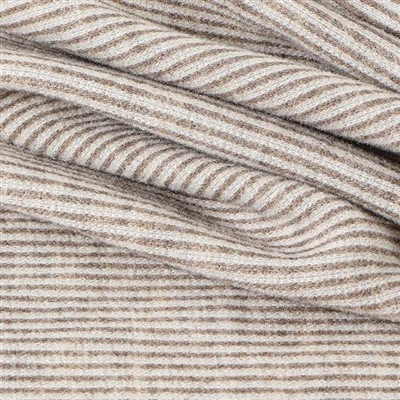
First, let’s start with the basics: denim is a type of twill fabric, but not all twill is denim, and not all denim is Japanese. Denim is specifically a right-hand twill, meaning the diagonal lines (called “wales” or “ribs”) run from the lower left to the upper right of the fabric. Twill, more broadly, is any fabric where the weft (the horizontal threads) passes over and under warp (the vertical threads) in a repeating diagonal pattern, creating that distinct ridged texture. What makes Japanese twill denim unique is how every part of that process—from the raw material to the finishing touches—is executed with a level of precision and care that’s hard to find anywhere else.
Let’s talk about the fibers first. Most traditional Japanese denim mills still use 100% cotton, not the blended fabrics that are common in mass-produced denim. Not just any cotton, though—they stick to long-staple cotton, usually from regions like Texas, Egypt, or parts of India. Long-staple cotton fibers are longer, stronger, and smoother than short-staple ones, which means the fabric doesn’t pill easily, wears evenly, and develops that beautiful, natural patina over time. I’ve seen some of these mills sort cotton fibers by hand, separating any that are shorter than a certain length because even a tiny, weak fiber can ruin the integrity of a premium twill. That level of attention to detail is part of what sets Japanese denim apart from, say, basic mass-market denim made with shorter, cheaper fibers.
Next up is the weaving process, and this is where Japanese twill denim really shines. Many traditional mills still use old Toyoda looms—some over 50 years old—instead of the high-speed, computerized looms you’ll find in fast-fashion mills. These looms operate at a slower pace, weaving about 10 to 15 meters of fabric per day, compared to hundreds of meters from a modern loom. Why does that matter? The slower speed gives the warp threads time to settle evenly, so the twill pattern is consistent across the entire yard of fabric, no gaps or uneven ribs. It also puts less stress on the threads, meaning less breakage during weaving, which results in a softer, more durable fabric.
The yarn dyeing step is another critical part of Japanese twill denim production. Indigo dye is the traditional choice for denim, and Japanese dye masters have perfected the art of indigo over centuries. Unlike many mass-produced denims that use pre-dyed yarns from a chemical process, most Japanese denim uses rope dyeing, where yarn is dipped repeatedly into indigo vats, each dip adding a layer of color. The number of dips changes the shade of indigo—more dips mean a deeper, darker blue, while fewer dips result in a lighter, more faded look over time. What’s amazing about this process is that the dye only penetrates the outer layer of the cotton fiber, not the core. That’s why Japanese denim fades so uniquely: the outer layer of dye rubs off in spots where the fabric gets the most friction—thighs, pockets, seams—revealing the natural white cotton core underneath, creating a one-of-a-kind patina that’s different for every single pair of jeans made from the same fabric. Some mills even use natural indigo, made from indigofera plants grown in Japan, which adds a subtle earthy note and an even more organic fade.
The finishing process is where Japanese twill denim can be customized to fit any brand’s needs, which is why my team works closely with mills to adjust finishes based on what our clients want. “Raw” denim is left almost untouched after weaving—stiff, unwashed, with a deep indigo color that will fade over years of wear. “Washed” denim goes through processes like stone washing, enzyme washing, or acid washing to soften it right away. Japanese mills can do everything from a light, subtle wash that keeps most of the original indigo to a heavily distressed wash that looks like it’s been worn for years the second it comes off the loom. We also offer special finishes like sanforization, a pre-shrinking process that ensures the fabric won’t shrink more than 2-3% after the first wash—something fast-fashion denim often skips, leading to ill-fitting jeans after the first wash.
Now, let’s clear up a common misconception: Japanese twill denim isn’t just for jeans. While it’s most famously used for jeans, it’s also used for jackets, shirts, skirts, even accessories like bags and belts. The twill structure makes it durable enough for workwear, but the soft hand (texture) after finishing makes it versatile for everyday clothing. One of my favorite parts of working with this fabric is watching how different brands use it: a small-batch workwear brand might choose a 16oz raw Japanese twill denim for heavy-duty jeans, while a sustainable streetwear brand might opt for a 10oz lightweight, organic cotton Japanese denim for t-shirts and dresses.
What makes Japanese twill denim more than just a fabric, though, is the story behind it. Many of the mills that produce premium Japanese denim are family-owned and have been in business for generations. The weavers and dye masters aren’t just operating machines—they’re carrying on traditions passed down through their families, while also experimenting with new techniques to keep the fabric relevant for modern consumers. I’ve had the chance to tour a mill in Okayama, Japan, a region that’s become synonymous with high-quality denim, where a third-generation weaver showed me how he’s started using recycled cotton in some of his twill denim, without sacrificing the strength or texture that makes Japanese denim special. That balance of tradition and innovation is what makes this fabric so resilient—even as fast fashion changes, demand for well-made, timeless Japanese twill denim keeps growing.
As a supplier of Japanese twill denim, I’ve seen a lot of trends come and go over the years, but one thing stays consistent: customers who choose Japanese denim don’t just want a fabric—they want a product that’s well-made, durable, and has a story. They know that a pair of jeans made with Japanese twill denim will last longer than five pairs of fast-fashion jeans, fading beautifully and becoming more comfortable with every wear. It’s an investment, but it’s one that pays off in quality and longevity.
If you’re a brand looking for a reliable supplier of high-quality Japanese twill denim, whether you need raw, washed, lightweight, heavyweight, or custom-finished fabric, my team is here to help. We work directly with the top mills in Japan, so we can offer flexible minimum orders, competitive pricing for premium fabric, and fast turnaround times so you can get your production running on schedule. We can also help you customize every detail, from the weight of the denim to the type of indigo dye to the finish, to make sure your product stands out in a crowded market.

We understand that choosing the right fabric is one of the most important decisions you’ll make for your clothing line, and we’re here to answer any questions you have about Japanese twill denim, share samples, or walk you through the process of ordering. Don’t hesitate to reach out to our team to discuss your project and learn more about how our Japanese twill denim can elevate your next collection.
Twill Denim References:
- Okura, T. (2019). The Craft of Japanese Denim: Tradition, Technology, and Texture. Textile History Press.
- Smith, J. (2021). Denim: The Global History of a Fabric. Bloomsbury Fashion Books.
- Tanaka, M. (2022). Rope Dyeing: The Art of Indigo in Japanese Textiles. Japanese Textile Society Journal.
- Toyoda Loom Works. (2020). Traditional Loom Technology in Modern Japanese Denim Production. Industrial Textile Review.
Guangzhou Yuemei Textile Co., Ltd.
Guangzhou Yuemei Textile Co., Ltd. is one of the most experienced twill denim manufacturers and suppliers in China. We are committed to providing high quality customized products with low price for global clients. If you’re going to wholesale bulk durable twill denim made in China, welcome to get quotation and free sample from our factory.
Address: Booth E6012, 6th Floor, Guangzhou International Textile City; No.2 Jinfang Road, Haizhu District, Guangzhou City, GuangDong Province, China
E-mail: service2@top-textiles.com
WebSite: https://www.top-textiles.com/
