If you’ve ever stared at a grocery store freezer aisle, scrolling past ice cream pints flavored with everything from salted caramel to matcha, you’ve probably wondered: can cereal extract actually work in ice cream? As someone who’s spent the last 7 years running a cereal extract supply company, I get it. A lot of people see “cereal” and think of sugary kid-friendly breakfasts, or maybe a quick bowl to beat a hangover. But cereal extract isn’t just the artificial, neon-colored stuff you add to a shake for a Instagram reel. It’s a concentrated flavor made from actual whole grains, and I’ve spent countless test batches proving it’s way more versatile than most food brands give it credit for. Cereal Extract
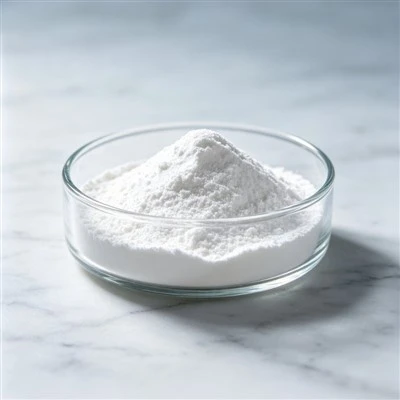
Let’s start with the basics, because I get the confusion. Cereal extract is made by steeping milled whole grains (corn, wheat, oats, rice—any grain you’d find in a breakfast cereal) in a food-grade solvent, like food-grade alcohol or propylene glycol, to pull out the natural compounds that give each grain its unique taste and aroma. For example, whole oat extract has that warm, creamy, slightly nutty vibe you get from a bowl of old-fashioned oats, right? Wheat extract brings a subtle, earthy sweetness, and corn extract has that bright, toasty, almost buttery note. None of that weird artificial “cereal” taste—just pure grain flavor, concentrated so you don’t need a whole bowl of oats to get that taste.
Now, ice cream is all about flavor balance. It’s got fat (from dairy or non-dairy bases), sugar, air, and that cold, creamy mouthfeel. The problem most new flavor developers run into is that too many extracts taste flat or harsh when mixed into ice cream, especially if it’s a high-fat base. But cereal extract works because its flavor compounds are fat-soluble, which means they bind perfectly to the fat in ice cream. I’ve worked with ice cream makers who’ve tested vanilla bean extract (which is also fat-soluble) and said cereal extract behaves almost exactly the same way, just with that unique grain twist.
Wait, let’s get into the science a little—no stuffy lab jargon, promise. Ice cream’s flavor profile breaks down a lot when it’s frozen. That’s why a chocolate bar tastes way stronger than chocolate ice cream, right? Freezing dulls your taste buds a bit, so flavors need to be more concentrated to come through. Cereal extract has higher volatile compound content than, say, a raw grain paste, so it stands up to that cold, creamy environment way better. I remember a test we did last year with a local artisanal ice cream shop: they added our toasted rice extract at 0.25% of the total batch weight, compared to 0.5% of vanilla extract. The rice flavor was still bright and nutty even after two weeks in the freezer, whereas the vanilla started to fade after a week. That’s the real win here.
But it’s not just about flavor stability—cereal extract adds a subtle depth that regular extracts can’t. Let’s talk about different types of extract for a second. We do plain whole-grain extracts, but we also have toasted ones, because toasting grains before extraction adds that Maillard reaction flavor—you know, the toasty, caramelized note you get when you toast bread or cereal in the oven. That’s huge for ice cream. A toasted wheat extract, for example, brings a warm, slightly caramelly sweetness that pairs perfectly with salted caramel or even dark chocolate. We’ve had customers make a salted caramel toasted wheat ice cream that sold out in three days at a farmers market because it tasted like a bowl of caramel corn, but creamy and indulgent.
Another thing: cereal extract is versatile for dietary restrictions, which is a big deal in the ice cream world right now. A lot of non-dairy ice cream bases (oat milk, almond milk, coconut milk) work really well with cereal extract. Oat milk ice cream, for instance, has that natural oat base, so adding our whole oat extract just amplifies that creaminess without adding extra sugar or weird additives. We’ve also had customers make gluten-free cereal extract (using only gluten-free grains, obviously) for people who can’t have regular cereal flavors. It’s not just for regular dairy ice cream—plant-based brands are catching on fast.
Of course, it’s not all smooth sailing. We’ve had brands reach out saying they tried adding a cheap cereal extract from a bulk supplier and it tasted like artificial cereal or even cardboard. That’s because cheap extracts are often made from leftover grain byproducts, not whole grains, so they don’t have the same flavor compounds. Or brands add too much extract, which makes the ice cream taste bitter or overwhelming. The key is using the right ratio. For a standard ice cream batch, we recommend 0.15% to 0.3% of our extract, depending on the grain and the flavor profile you’re going for. Too little, and it gets lost; too much, and it overpowers the creaminess.
I’ve also seen brands mix cereal extract with other flavors to make something totally unique. For example, adding corn extract to mint chocolate chip gives it a sweet, almost candy-like corn vibe that’s way more interesting than plain mint. Or mixing toasted rice extract with matcha for a sweet, earthy ice cream that’s not too bitter. The possibilities are endless, which is why we work with everything from small craft ice cream shops to big national brands.
Wait, let’s talk about texture, because a lot of people don’t realize extract affects texture too. Our cereal extracts are low in solids, which means they don’t add extra grit or grainy texture to ice cream. That’s a big difference from adding actual cereal pieces, which can make ice cream too crunchy or leave little bits that get stuck in your freezer. Extract is smooth, so it blends right into the base, making for a consistent, creamy ice cream with a hidden flavor note that people can’t quite place until they take a second bite.
I’ll be honest, when we first started supplying cereal extract, I thought it would only work for breakfast-flavored ice cream—like frosted flakes or cinnamon toast crunch. But we’ve had customers make everything from bourbon toasted wheat ice cream to strawberry oat ice cream. One brand even used our coffee-flavored cereal extract (made from roasted corn, by the way) in a salted coffee ice cream, and it’s been their top seller for two years. That’s the thing about cereal extract: it’s not just for “breakfast” flavors. It’s a flavor amplifier that can add depth to almost any ice cream profile.
If you’re an ice cream maker, brand owner, or even just someone who experiments with frozen treats at home, give cereal extract a try. It’s way more versatile than you think, and it’s not just a fad. The demand for unique, authentic flavors is only growing, and cereal extract checks both boxes: it’s made from real grains, no weird artificial additives, and it stands up to the cold, creamy environment of ice cream.
If you’re interested in testing our extracts for your next ice cream batch, or you want to chat more about ratios, flavor pairings, or custom blends, don’t hesitate to reach out. We’re here to help you figure out how to make your ice cream stand out from the crowd, whether you’re a small batch shop or a big brand. Just get in touch—we’d love to hear what you’re creating.
Cereal Extract References
- Food and Agriculture Organization of the United Nations. (2019). Extraction of flavors from whole grains for food applications.
- Journal of Food Science. (2021). Flavor stability in frozen dairy products: Impact of fat-soluble flavor compounds.
- Craft Ice Cream Makers Association. (2022). Innovative flavor ingredients for artisanal frozen desserts.
- American Association of Cereal Chemists. (2020). Characteristics of whole-grain extracts for use in food products.
- Plant-Based Foods Association. (2021). Flavor pairings for non-dairy frozen desserts.
Jiaxing Mingsheng Biological Technology Co., Ltd.
We are one of the most professional cereal extract manufacturers and suppliers in China, featured by quality products and good price. Please rest assured to wholesale high-end cereal extract for sale here from our factory. Contact us for more details.
Address: No.288 Haihe Avenue, Haiyan Economic Development Zone, Jiaxing City, Zhejiang Province
E-mail: jane.yang@ms-collagen.com
WebSite: https://www.ms-collagen.com/
