Hey there, fellow drivers and off-road adventurers! Let’s cut to the chase: if you’ve ever stared at a set of aggressive off-road wheels in my shop, thinking “would these work on my daily commute?” you’re in the right spot. As a off-road wheels supplier, I get this question every single day—usually from guys who want to step up their rig’s look without ditching pavement duty, or folks who just picked up a weekend 4×4 and aren’t sure if those big, knobby wheels are legal for school runs. Today, we’re breaking this down like we would over a cold beer after a trail run: no fancy jargon, just real talk and solid info. Off Road Wheels
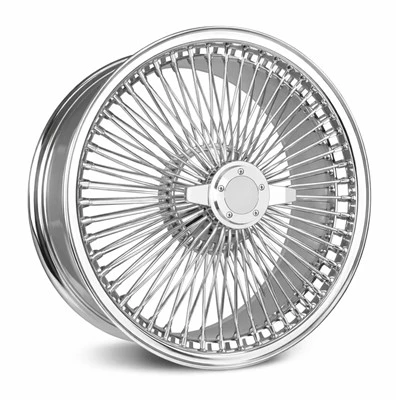
First, let’s get the basics straight. Off-road wheels aren’t made the same as street wheels, right? Let’s start with material. Street wheels (the ones on your sedan or daily driver) are usually aluminum alloy with a thinner gauge, optimized for smooth, consistent pavement pressure. Off-road wheels? They’re built like tanks—thicker aluminum, often with reinforced barrels, because they have to take hits from rocks, roots, and ruts that would crumple a street wheel. That’s a plus for durability, but wait—thicker means more weight. A typical street wheel is 15-20 lbs per corner; a 17-inch off-road wheel? That’s 25-35 lbs, easy. Extra unsprung weight (that’s the stuff not supported by your suspension) isn’t just a number—it’s like carrying an extra backpack on each wheel every time you drive. Your suspension has to work harder to move that weight, which means worse fuel economy, slower acceleration, and more wear on shocks and springs over time. I’ve seen customers swap to off-road wheels for looks and end up with a 3 mpg drop—no joke.
Then there’s the tread, since most off-road wheels get paired with off-road tires (mud-terrains or all-terrains, not the highway all-seasons). Wait, the question is about the wheels themselves, but tread is tied here because you can’t use off-road wheels with street tires—well, you can, but that’s a waste. Off-road wheels have wider barrels sometimes, right? A 17×9 off-road wheel has a wider width than a 17×7.5 street wheel, which changes your tire’s contact patch. On pavement, a wider contact patch isn’t always better—more rubber on the road sounds grippy, but it can make your steering feel sluggish, like you’re turning a boat. Wet pavement? Wider tires disperse water worse, so hydroplaning risk goes up. I once had a customer try a set of 18×10 off-road wheels with street all-seasons, and he totaled a side mirror when he hydroplaned on a light rain—stuff like that doesn’t make the news, but it’s real.
Now, the good stuff—when it works, and why you might actually want to do it. Let’s say you’re a guy who has a Jeep Wrangler, uses it for 80% pavement and 20% rock crawling. Off-road wheels here are a no-brainer. They’re stronger, so if you hit a pothole (which are basically man-made rocks these days) on your way to the trail, your wheel won’t crack or bend. I’ve sold hundreds of these to Wrangler owners, and the most common feedback? “I hit a curb so hard last week, I thought I’d need a tow—just had a scratch on the wheel.” That’s the durability win no street wheel can match. Also, looks. Let’s be real: off-road wheels just look cooler. Aggressive spoke patterns, darker finishes, that bulkier profile—if you want your rig to stand out at the gas station, this is an easy visual upgrade.
Wait, but what about safety? Let’s talk load rating. Every wheel has a load rating—how much weight it can safely carry. Street wheels are rated for the weight of sedans, compact trucks, that stuff. Off-road wheels? They have way higher load ratings, because they’re built for heavy 4x4s with big bumpers and winches. So if you’re driving a half-ton truck (F-150, Silverado) and swap to off-road wheels, the load rating is actually higher than you need. That’s not a bad thing, right? Unless you’re driving a tiny car like a Honda Civic—then an off-road wheel’s load rating is way overkill, but the weight gain messes with handling. I’d never recommend off-road wheels on a compact car, full stop. Too heavy, too much unsprung weight, no real benefit.
Now, the downsides that a lot of suppliers won’t tell you (full transparency here). First, tire wear. Off-road wheels (when paired with off-road tires, which is what you’ll do) have a stiffer sidewall? No, wait—the wheel itself is stiffer, but if you’re running street tires on off-road wheels, the tire’s sidewall has to flex more because the wheel isn’t giving. That leads to uneven tread wear, so you’ll need to replace tires 15-20% sooner. And road noise—oh man, road noise. Off-road wheels are bulkier, and the space between the spokes can trap road noise, so your commute will sound like you’re driving a pickup with no bedliner. A lot of my customers hate this part—they think it’s just tires, but no, the wheel design amplifies it.
Another thing: alignment. If you go too wide with your off-road wheels, you might have to adjust your wheel spacers or fenders, which throws off your camber and toe alignment. Poor alignment means uneven tire wear, bad gas mileage, and even handling issues on pavement. I’ve had to help three customers in the last month who installed 12-inch wide off-road wheels without adjusting alignment, and their tires were bald in 3,000 miles. That’s a hidden cost no one thinks about.
Wait, but what about legal stuff? A lot of people don’t know this, but some states have laws about wheel width and tire clearance. If your off-road wheels stick out more than an inch from the fender, you might get pulled over for a “wide wheel” violation. I once had a customer in Texas who got a $500 ticket because his 10-inch off-road wheels stuck out past his front fenders. It’s not just Texas—every state has different rules, so that’s a thing to check before you swap.
Let’s wrap this up with a clear answer: can you use off-road wheels on pavement? Yes, but only if it makes sense for your rig and how you drive. If you’re a daily driver with a compact car or sedan? Skip it. The downsides (weight, gas mileage, handling, tire wear) aren’t worth the cool look. If you have a 4×4, use it for weekend trails, and want wheels that can handle both curb hits and rock obstacles? Go for it. Just get wheels that match your vehicle’s specs—don’t go 3 inches wider than factory, check the load rating, and make sure your alignment is spot on after installation.
Now, as an off-road wheels supplier, I’m not here to push every customer into a set of wheels they don’t need. I’ve helped guys swap back to street wheels after realizing off-road wheels aren’t for their daily commute, and that’s okay. If you’re in the market for off-road wheels, or even just have questions about what’s right for your rig, hit us up to connect for purchasing discussions. No pressure, no sales pitch—just straight answers about what works on pavement, what works off-road, and what’s just a waste of money.
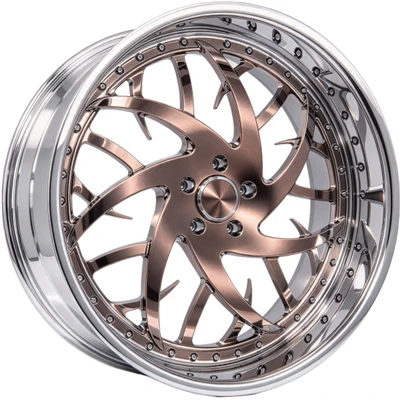
At the end of the day, off-road wheels are built for abuse, but that abuse isn’t always on dirt. For the right rig, on the right mix of pavement and trails, they’re a solid upgrade. Just don’t expect the smooth, quiet, efficient commute you get with street wheels. That’s the tradeoff, and it’s up to you to decide if it’s worth it.
Beadlock Wheels References: 1. Tire and Rim Association. (2022). Load Rating Standards for Passenger Vehicle Wheels. 2. National Highway Traffic Safety Administration. (2021). Vehicle Handling Effects of Unsprung Weight. 3. Specialty Equipment Market Association. (2023). Off-Road Wheel and Tire Compatibility Guidelines.
Hurong (Ningbo) Wheels Co., Ltd.
Hurong (Ningbo) Wheels Co., Ltd. is one of the most professional off road wheels manufacturers and suppliers in China, also supports customized service and OEM service. Welcome to wholesale bulk high quality off road wheels made in China here from our factory. If you have any enquiry about cooperation, please feel free to email us.
Address: Floor.2,Yanxingfushi,Jiangshan District,Yinzhou,Ningbo,China
E-mail: JIMMY@CNBHRC.COM
WebSite: https://www.hrc-wheel.com/
