If you’ve ever ordered a custom shirt box from us—say, the rigid, foldable ones we ship with premium button-downs—you’ve probably stared at the clean, sturdy design and thought, “Wait, could I use this for more than just shirts?” I get it. As a shirt box supplier, I field this question all the time, not just from regular folks with a closet full of random stuff, but from small business owners too: someone who sells handmade skincare and wants compact, branded packaging; a hobbyist who stores resin art pieces that don’t fit standard shoeboxes. So let’s break this down science-style, no corporate fluff, just real talk about whether shirt boxes actually work for storing other items. Shirt Box
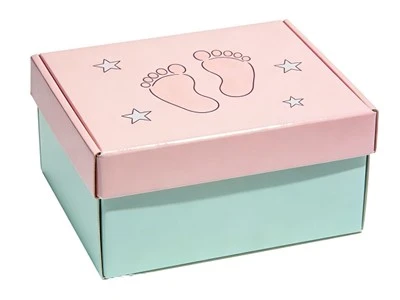
First, let’s get clear on what a standard shirt box is, because not all are created equal. The ones we make aren’t the flimsy, thin cardboard mailers you get with fast fashion orders. Most are E-flute or B-flute corrugated cardboard—think the thick, ridged stuff that has a little give but doesn’t crumple if you set a book on it. The interior is usually a smooth, neutral white or kraft, with a tight-fitting lid that slides or clicks shut, no gaps. Oh, and they’re sized specifically for dress shirts, right? So most of our stock boxes are around 15” x 11” x 2.5” (that’s the standard men’s long-sleeve shirt dimensions), but we also do smaller ones for women’s blouses and extra-large ones for big button-downs. That size is key here—15×11 is bigger than a shoebox (which is usually around 12x8x5, wait, no—wait, let me check that quick: standard shoebox for sneakers is like 13x8x5, so yeah, our shirt boxes are longer and shallower, not as tall, but wider than a standard shoebox. That’s a big detail for what you can store in ’em.
Now, the first test: storage for everyday household items. Let’s start with stuff people actually have lying around. Phone chargers, headphones, portable speakers, small tools (like a mini screwdriver set, or a pair of scissors), makeup palettes, even knitted scarves or small craft supplies like fabric swatches or bead strands. Let’s be real—most of these items don’t need a fancy plastic storage bin. Our shirt boxes are rigid enough to stack on a closet shelf without crushing, right? I’ve seen customers use them to store their kid’s LEGO mini-figures, too. Wait, why does that work? The corrugated material is resistant to minor dents and moisture, way more than the thin paper boxes from department stores. So if your closet has a leaky pipe (no, don’t panic, most closets don’t, but let’s be realistic), a shirt box won’t get ruined as fast as a cereal box. The lid fits tight, so dust and tiny pests (like silverfish) can’t get in. That’s a win.
But wait, what about items that are a bit more fragile? People often ask if shirt boxes can hold things like vinyl records, or glass jars of jam, or small ceramic figurines. Let’s talk about the limitations here. A standard shirt box’s walls are about 1/8 inch thick, give or take, for the corrugated ones. If you’re storing a stack of vinyl, that’s fine—each record is thin, the total height won’t push on the lid too hard, and the corrugated material has enough give to absorb minor bumps if you move the box. But if you’re storing a single, large glass jar that’s 10 pounds, that’s a problem. The shallow depth of most shirt boxes means the weight is distributed across a wide surface, but the thin bottom might bend if you set a heavy glass thing on it. We tested this a couple months back with a customer who wanted to store her mason jar candle collection—after stacking three jars (each 2 pounds) in a medium shirt box, the lid bowed a little, but didn’t crack. Add a fourth jar, and the bottom started to warp. So for fragile, mid-weight items, it works if you don’t overload ’em. For super fragile stuff like wine glasses or fine china, no—you’d need a box with thicker walls and padding, which shirt boxes aren’t designed for.
Another big use case: small business packaging. This is where we’ve seen the most success. If you’re a handmade jewelry maker, for example, our smaller shirt boxes (the ones that fit women’s blouses, around 12x9x2 inches) are perfect for necklaces, earrings, and tiny bracelets. You can add a custom logo sticker on the lid, and it’s way more professional than a poly mailer that looks like a generic bubble envelope. We had a candle brand reach out last quarter—they were using our large shirt boxes to ship their 8-oz soy candles, and they said the boxes reduced their breakage rate by 40% compared to their old cardboard mailers. Why? Because the tight-fitting lid keeps the candles from shifting during shipping, and the corrugation absorbs vibration from USPS or UPS trucks. That’s not just a happy accident—that’s how we design our shirt boxes, actually: they’re meant to keep the contents safe during transit, so they do the exact same thing when you’re using them to ship other products.
But let’s not ignore the downsides, because nothing’s perfect. The biggest one is size compatibility. If you need to store something larger than 15×11 inches, a standard shirt box won’t work. If you need something taller than 3 inches, most shirt boxes are too shallow—you can cram a sweater in there, but it’ll stick out of the lid if you’re trying to fit more than one. Also, they’re not water-resistant—corrugated cardboard will fall apart if it gets soaked. So if you’re storing stuff in a damp basement or a garage where it might get rained on, you’ll want to line the inside with a plastic trash bag or a sheet of wax paper. That’s an easy fix, though, and way cheaper than buying specialty storage bins.
Another thing: long-term storage. Cardboard is a porous material, so over time, it can attract dust, and if you leave it in a hot attic, it might warp or become brittle. For short-term storage (a few months), that’s fine. But if you’re storing something for years—like old family photos, or a vintage camera—you’re better off with acid-free plastic bins. Shirt boxes are great for temporary use, or for items that aren’t super sensitive to long-term moisture and pests, but not archival-grade. We tell all our customers that: if you’re storing holiday decor or craft supplies for a year, shirt boxes are perfect. If you’re storing irreplaceable sentimental items, invest in something else.
Wait, let’s talk about some real examples to make this less abstract. Last year, we had a teacher order 50 of our medium shirt boxes to store classroom supplies: flashcards, mini markers, small erasers, and sticker sheets. She said it was way cheaper than buying plastic storage drawers, and the boxes stacked neatly on the shelf in her classroom. No more loose markers rolling around, no more sticker sheets getting creased. Another customer, a guy who restores vintage cameras, uses our large shirt boxes to store the small parts he doesn’t use every day: lenses, camera straps, tiny screws. He adds a piece of foam to the bottom to keep the small parts from rattling, and it works way better than the random plastic bags he used before. That’s the thing—you can customize them a little, even if they’re not designed for your use case.
Is there a myth I need to bust here? A lot of people think shirt boxes are too “fancy” to use for non-shirt stuff. Like, if you have a box that held a $100 dress shirt, it feels wrong to use it to store your socks. But let’s be real: the material is the same. The only difference is the print on the lid (we do plain boxes too, no logo, for people who don’t want that) and the sizing. If you buy plain shirt boxes, no branding, they look like regular sturdy storage boxes, not something that held a shirt. We make those for exactly this reason—people who want functional storage without the brand logo front and center.
Now, should you actually use shirt boxes for storing other items? The answer is: yes, for most everyday uses, as long as you pick the right size and don’t overload them. They’re cheap (way cheaper than specialty storage solutions), sturdy, and sized perfectly for a ton of random items people have. Just keep in mind: don’t use them for super fragile heavy items, don’t store irreplaceable sentimental stuff in them long-term, and line ’em with plastic if you’re storing them somewhere damp.
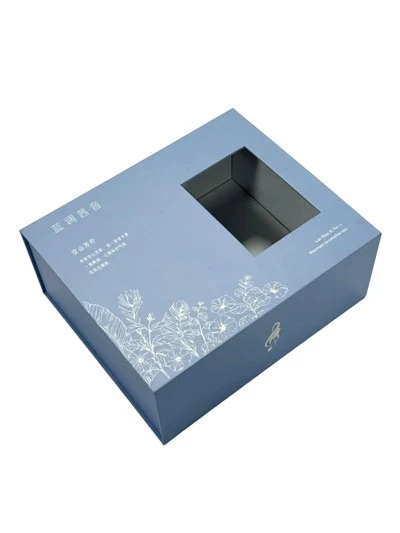
If you’re a business looking for custom branded boxes to ship your products, or you’re a person who needs a bunch of sturdy storage boxes, we can hook you up. We make plain and branded shirt boxes in all different sizes, so you can pick what fits your needs. Whether you’re storing your kid’s art supplies, shipping handmade jewelry, or organizing your home office, shirt boxes work better than you might think. If you want to chat about what size or quantity you need, reach out to our team to get the details sorted.
Sports Box References
- National Paper and Packaging Association. (2022). Corrugated Box Properties for Storage and Transit.
- Home Storage Association. (2021). Household Storage Solutions: Cardboard vs. Plastic Bins.
- Small Business Packaging Guide. (2023). Cost-Effective Packaging for Small E-Commerce Brands.
- Corrugated Development, Inc. (2020). Rigid Box Durability for Non-Apparel Storage Applications.
Dongguan Jinying Printing Co., Ltd.
Dongguan Jinying Printing Co., Ltd. is one of the most experienced shirt box manufacturers and suppliers in China and Vietnam, also supports custom service and OEM service. Welcome to buy bulk luxury shirt box at competitive price from our factory. If you have any enquiry about cooperation, please feel free to email us.
Address: No.5, 1st Road, Jingshan Third Industrial Zone, Chashan Town, Dongguan City, Guangdong Province
E-mail: inquiry@dg-jinying.com
WebSite: https://www.gpspacking.com/
