Hey guys, let’s cut to the chase—if you’re here, you’re probably tired of two super common, annoying water problems: that chalky, scratchy feel on your skin after a shower, or white crud building up on your coffee maker and faucets (yeah, that’s hard water), plus you don’t want weird chemicals, sediment, or even tiny bacteria floating around in your drinking water. As a water purifier supplier, I get it—everyone asks me “which one does both?” and let’s be real, the marketing out there is garbage, full of buzzwords like “ultra-pure” or “soft water magic” that don’t mean jack. Today I’m breaking this down like I would with my cousin who just moved into a new apartment and can’t stop complaining about their water, no fancy jargon, just actual science and real use cases. Water Purifier
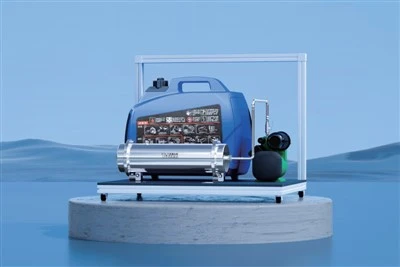
First, let’s get one thing straight: “best for softening AND purifying” isn’t a one-size-fits-all answer. A lot of people mix up water softeners and water purifiers, right? Softeners fix hardness (calcium and magnesium ions) but do almost nothing for purifying—they might even leave salt residue if they’re ion-exchange, which is a huge turn-off for drinking water. Purifiers get rid of contaminants, but most don’t touch hardness at all. So you need a system that does both, or pairs two parts that play nice. Let’s go through the actual working parts, not the brand names, so you can tell what’s good vs. what’s hype.
Let’s start with the main softening tech that works for drinking water: there’s ion-exchange, then there’s template-assisted crystallization (TAC), and reverse osmosis (RO) combined with softening, which is the big one most people overlook. Wait, let’s explain that simply: ion-exchange softeners are the old-school ones—they swap calcium/magnesium for sodium (or potassium, if you get a non-salt model) so the water feels soft, but that means you’re adding salt to your drinking water, which is bad for anyone on a low-sodium diet, and it doesn’t purify at all—you still get chlorine, lead, microplastics, whatever. That’s a no-go for most households, in my opinion, because why soften water if you’re just drinking salt water?
Then RO softening, which is reverse osmosis systems that have an extra pre-softening stage? No, wait—actually, RO itself filters out calcium and magnesium along with 99% of other contaminants. Wait, is that true? Let’s confirm: RO works by pushing water through a semipermeable membrane with tiny pores (like 0.0001 microns) that catches almost all ions (including hardness minerals), heavy metals, pesticides, microplastics, even most bacteria and viruses. Oh, so technically RO water is naturally soft, right? Because the hardness ions are gone. But wait, people say RO water tastes flat—why? Because it’s stripped of minerals, which is why some RO systems add a remineralization stage. That’s key! Because if you’re going through the work of removing hardness and contaminants, you don’t want to drink water that’s totally mineral-free, which can leach minerals from your pipes if you have old lead lines, or just taste like nothing. So a full RO system with remineralization is a solid pick for people who want both soft, pure drinking water and good-tasting water that’s safe long-term.
But wait, what about people who don’t want to install a under-sink RO system—like renters, or people who want whole-house softening and purification? That’s where TAC comes in, right? Template-Assisted Crystallization. TAC doesn’t remove calcium and magnesium like ion-exchange—it turns them into tiny, harmless crystals that don’t stick to pipes or appliances, so no more scale, and it doesn’t add salt! That’s a game-changer. But wait, does TAC purify? No, not by itself. So TAC works great as a whole-house softener, but you need to pair it with a whole-house purifier that removes chlorine, sediment, maybe bacteria. For example, a whole-house system with a sediment filter, activated carbon filter, then TAC, and maybe a UV light at the end to kill any remaining pathogens. That way, every drop of water that comes out of your faucets (drinking, shower, washing) is soft and purified, no salt. But is TAC as effective as RO? It depends on your water hardness level. If your water is super hard (like over 15 grains per gallon, which is pretty common in parts of the US, like Texas or the Midwest), TAC might not keep up as well as ion-exchange, and you’d need a larger unit.
Let’s talk about the common myths I hear all the time from customers. First myth: “All soft water is bad for drinking.” No—if it’s soft from RO with remineralization, it’s actually good for you, because it has calcium and potassium added back in. The bad soft water is the ion-exchange kind that adds sodium. Second myth: “Whole-house systems are a waste of money.” If you hate scale on your shower doors, your soap not lathering, your water heater breaking down every 2 years, it’s worth it. I had a customer last month who was spending $80 a year on faucet parts and limescale cleaners, and their whole-house TAC + carbon system cost $1,200, and no more scale—they saved that money in a year and a half. Third myth: “RO water is unhealthy because it has no minerals.” The amount of minerals you get from drinking water is tiny compared to what you get from food—you’re not going to get calcium from a glass of RO water if you eat a salad or a bowl of cereal, so that’s a overblown complaint from people who sell fancy mineral water.
Now, let’s break this down by use case, because that’s what really matters. If you’re looking for a drinking-only solution (like under your kitchen sink, for just drinking and cooking), the best bet is a standard RO system with a remineralization filter. Wait, but not all RO systems are the same! A lot of cheap RO units only have 3 filters: sediment, carbon, membrane. They don’t have a remineralization stage, or a post-carbon filter to get rid of that plastic-y taste some RO has. So when you’re shopping for these, look for one with at least 5 stages: 1) Sediment filter (catches dirt, rust), 2) Pre-carbon (removes chlorine, pesticides), 3) RO membrane (removes hardness, heavy metals, microplastics), 4) TDS adjuster/remineralization (adds back calcium, magnesium, makes it taste good), 5) Post-carbon (polishes the taste). That’s the sweet spot for drinking water that’s soft, pure, no weird aftertaste. I tell customers to avoid the super cheap Amazon RO units—their membranes are low-quality, they break in 6 months, and they don’t last.
If you need whole-house coverage (so every tap, shower, dishwasher, laundry is soft and pure), then you have two options: 1) TAC + whole-house carbon + UV, or 2) Ion-exchange softener paired with a whole-house purifier (like a carbon and sediment filter). Let’s compare these two. The TAC option: no salt, so no maintenance except changing the filters every 1-2 years, and no need for a drain line (unlike RO, which needs a drain to get rid of the rejected water). That’s perfect for renters, or people who hate the idea of salt refills. The ion-exchange option: more effective for super hard water, cheaper upfront, but you have to buy salt every month, and if you’re using the softened water for drinking, you might want to add a point-of-use RO system at the kitchen sink to remove the sodium. A lot of families go this route because whole-house ion-exchange is super reliable for hardness, and the point-of-use RO is just for drinking, so they don’t have to pay for whole-house RO which wastes water (RO uses 3-4 gallons of water to make 1 gallon of pure water, that’s a big downside for some people in dry areas).
Wait, let’s talk about that water waste thing—so important right now with droughts in a lot of places. RO’s water waste (called “reject water”) is a big con. The new generation of RO systems are low-waste, like 1:1 ratio (1 gallon of reject for 1 gallon of pure) instead of 3:1, which is way better. If you’re going for RO, make sure it’s a low-waste model. TAC and ion-exchange whole-house systems have almost no water waste, which is a huge plus for people in places like California or Arizona where water is expensive.
Now, let’s get into the contaminants part, because “purifying” isn’t just softness. What do you actually need to get rid of? Let’s list common ones: chlorine (bad for skin, makes your hair dry when showering), lead (old pipes, common in older homes), microplastics (found in 80% of tap water globally, per recent studies), pesticides, bacteria, viruses, limescale (hardness). So which systems get all of these? The 5-stage RO with remineralization gets almost all of them—99% of lead, 98% of microplastics, 99% of hardness, 99% of chlorine. The TAC + whole-house carbon + UV gets chlorine, sediment, bacteria, and prevents scale, but it might not remove heavy metals or microplastics as well as RO, depending on the carbon filter’s quality. The ion-exchange + point-of-use RO: whole-house removes hardness, chlorine, sediment, then the point-of-use RO removes lead, heavy metals, etc. That works too.
I should mention some mistakes people make when picking these. Number one: buying a system just because it’s cheap, without testing their water first. You can buy a $10 water test kit at Home Depot, test for hardness, pH, lead, chlorine, and that tells you exactly what you need. For example, if your water is only 5 grains of hardness (soft to medium), TAC is enough, no need for RO. If it’s 12+ grains, ion-exchange or RO is better. Number two: forgetting about maintenance. All these systems need filter changes, if you skip them, they stop working. I had a customer who bought a cheap RO system and stopped changing the sediment filter for 2 years—so the dirty sediment was clogging the RO membrane, and the water coming out was actually less pure than their tap water. Number three: not considering water waste if you’re on a well. Well water often has more sediment and bacteria, so whole-house UV and carbon is good, but RO might be overkill if your hardness is low.
Wait, let’s give a real example to make this concrete. Let’s say a family of 4 in Dallas, TX—their water is 14 grains per gallon (super hard), has chlorine from the city, and they noticed lead traces from old pipes. What should they get? If they don’t mind a little water waste, a 5-stage low-waste RO system for under-sink drinking water, plus a whole-house carbon filter and TAC. That way, every tap is soft (TAC handles the scale) and removes chlorine, and their drinking water is pure RO with remineralization, no lead, no microplastics. Alternatively, whole-house ion-exchange plus a point-of-use RO: cheaper upfront, they add a small amount of sodium to their whole-house water, but since they only drink the RO water, that’s fine—they don’t notice the sodium, and it’s less water waste than a whole-house RO. Both work, depending on their budget.
Another example: a renter in Brooklyn, NY, who can’t install whole-house systems, has medium hardness (7 grains), and wants soft drinking water no scale. They should get a countertop RO system (no installation, easy to move) with remineralization—those are great for renters, no need to drill holes or run lines, they just sit on the counter, hook up to the faucet, and give them pure, soft water. The countertop models have come a long way in the last few years, no more clunky ones from the 90s.
Now, let’s talk about what I recommend as a supplier, not just a random guy. I tell people to prioritize their actual needs first: 1) Do you want whole-house or just drinking? 2) How hard is your water? 3) Do you care about water waste? 4) Are you on a low-sodium diet? If you answer those: if it’s drinking-only, low to medium hardness, low sodium needed: countertop RO with remineralization. If it’s drinking-only, high hardness, low sodium: under-sink low-waste RO. If it’s whole-house, don’t want salt, medium hardness: TAC + whole-house carbon + UV. If it’s whole-house, high hardness, don’t mind salt: ion-exchange whole-house + point-of-use RO.
Wait, I should mention one more thing: magnetic water softeners, because people ask about those all the time. Those are the little devices you attach to your pipes that claim to change calcium molecules so they don’t form scale. Let’s be real—there’s no peer-reviewed science that proves these work. A lot of my customers have bought them, tried them, and come back complaining that they still have limescale on their faucets. So skip those, they’re a scam. Save your money for an actual system.
Now, let’s wrap this up, and get to the part where you can reach out if you need help. Look, I know this is a lot, but the biggest takeaway is that there’s no “best” brand, there’s the best system for your specific water and needs. The marketing makes it seem like every brand has the magic solution, but the truth is, it’s all about the tech and how it fits your home. If you’re stuck testing your water, or want help figuring out which system won’t waste your money or water, feel free to connect with our team to chat through your options—no pressure, no sales pitch, just honest advice based on what works for other people in your area. We can even send a free water test kit if you want to nail down exactly what’s in your water before you buy.
Wait, one last thing I always emphasize: don’t ignore maintenance. Changing filters on time is the difference between a system that works for 5 years and one that breaks in 1. We send automatic filter reminders to all our customers, so you don’t have to remember, which takes the hassle out of it. No one wants to drink water that’s less pure than their tap because they skipped a filter change, right?
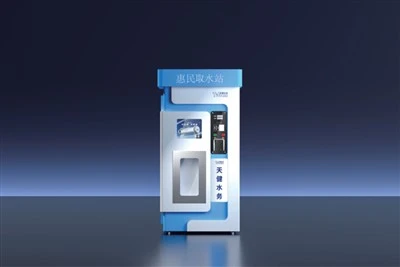
Okay, that’s the real tea on which water purifier/softener combo works. No fancy jargon, no scams, just actual use cases and science. If you’re ready to stop dealing with scale, dry skin, and weird tap water taste, hit us up to talk through what you need.
Water Purification References
U.S. Environmental Protection Agency. (2022). A Guide to Water Treatment Systems for Home Use. EPA 817-R-22-002.
World Health Organization. (2021). Calcium and Magnesium in Drinking-Water: Background Document for Development of WHO Guidelines for Drinking-Water Quality. WHO/SDE/WSH/03.04/96 Rev. 1.
Journal of Water and Health. (2020). Efficacy of Template-Assisted Crystallization for Water Softening in Residential Applications, Vol. 18, No. 4, pp. 621-630.
National Sanitation Foundation. (2023). NSF/ANSI Standard 58 for Reverse Osmosis Drinking Water Treatment Systems. NSF International.
American Water Works Association. (2022). Microplastics in Drinking Water: Occurrence and Treatment Technologies. AWWA Research Foundation.
Zhejiang Tianxingjian Water Co., Ltd.
With over 20 years’ experience, we are one of the most professional water purifier manufacturers in China. We warmly welcome you to buy durable water purifier in stock here and get quotation from our factory. All customized equipment are with high quality and low price.
Address: No.128 Anhe Road, Zhongxing Village, Zhangzhen Town, Shangyu District, Shaoxing City, Zhejiang Province, P.R. China
E-mail: chen.f@tjian.com
WebSite: https://www.tianjianshuiwu.com/
