Hey everyone, let’s cut to the chase—if you’ve ever stared at your enamel Dutch oven, baking pan, or even that cute enamel muffin tin in your pantry and thought “can I make desserts in this thing?” you’re not alone. As someone who’s been in the enamel cookware game for years (let’s be real, I’ve sold more enamel bakeware for cakes than savory dishes lately), I get the confusion. A lot of folks still think enamel’s just for stews, roasts, or weeknight pasta. But here’s the tea: enamel cookware is low-key a dessert-making secret weapon—if you use it right. I’m gonna break this down like I chat with customers at trade shows, no stuffy science jargon, just real talk about what works, what doesn’t, and why this might be your new go-to for banana bread, crème brûlée, even those mini lava cakes you’ve been wanting to perfect. Enamel Cookware

First, let’s get one thing straight: what even is enamel cookware, anyway? I don’t wanna bore you with a deep dive, but here’s the quick version that matters for desserts. It’s metal (usually cast iron or carbon steel) coated with a glass-like enamel glaze that’s fused on at super high temps—like way hotter than your oven’s max setting. That glaze’s non-porous, which is huge for desserts. Porous pans (looking at you, unseasoned cast iron or even some cheap aluminum) can absorb flavors and moisture, which is bad news for delicate desserts like cheesecake or shortbread. The enamel glaze? It repels that stuff, so your lemon bars won’t taste like last night’s chili, and your shortbread stays crumbly, not soggy.
Wait, but what about temperature? That’s the big question, right? Can enamel handle the heat when you’re baking at 350°F, or even broiling for crème brûlée? Let’s check the facts—no fluff here. Most quality enamel cookware (the stuff we supply, for example) is rated for oven temps up to 500°F, and some even higher. That’s way more than enough for just about any dessert you can name. Broiling? Some enamel pans are safe for broiling too—pro tip: just make sure you leave an inch or so of space between the pan and the broiler element, ‘cause direct high heat on the edge can chip the glaze. I’ve had customers tell me they’ve broiled crème brûlée in their enamel ramekins a dozen times with zero issues, so that’s not a myth.
Now, let’s talk about why dessert-specific stuff works so well with enamel. For starters, heat distribution. Enamel’s fused to metal means it heats evenly—no hot spots burning your cookie bottoms or making one side of your cake raw. I had a customer last month who switched from a flimsy aluminum baking sheet to our enamel baking sheet, and she said her chocolate chip cookies finally had that perfect crispy edge and chewy center, no more burned bottoms. That’s the real deal—flimsy pans often have cold spots, so your bake time’s off, but enamel evens that out.
Another win for desserts: easy cleanup. I know, I know—when you’re making desserts, you’ve got sticky batter, caramel, melted chocolate, all that mess. Enamel’s non-stick surface (well, technically it’s enamel, not Teflon, but same vibe for cleanup) wipes right out with soapy water. No more scrubbing burnt sugar off a stainless steel pan, no more worrying about a bundt cake sticking to a pan with weird non-stick coating that chips off into your food. We get so many comments from bakers saying they love that they can bake a cheesecake in an enamel springform, pop it out, and just toss the pan in the dishwasher. Win-win.
But wait, let’s not sugarcoat it (pun totally intended)—there are a few things you need to watch out for if you’re using enamel for desserts. First, acidic desserts. Think lemon cake, key lime pie, fruit tarts with lots of citrus or berries. I know, I know—your pan’s enameled, right? That should keep the acid away from the metal. Well, sort of. If you chip or scratch the enamel (which is easier than you think if you use metal utensils or scrub with steel wool), that acid can get to the exposed metal, which might cause a weird metallic taste in your dessert. Not the end of the world, but something to avoid. Use silicone or wooden utensils with your enamel bakeware, don’t scrub it harsh, and you’ll be fine. We always tell our customers to hand wash if possible to keep the glaze intact—sure, dishwasher works occasionally, but hand washing’s gentler for long-term use.
Another thing: what kind of enamel cookware works best for desserts? Not all of ‘em. A big cast iron Dutch oven? Great for slow-cooked applesauce or even a deep-dish apple pie, but if you’re making tiny mini tartlets, a big Dutch oven’s too bulky. We’ve got a whole line of enamel ramekins, mini baking pans, springform pans, and even a round cake pan that’s perfect for layer cakes. For no-bake desserts, like no-bake cheesecake or granola bars, enamel’s great too—since it’s non-porous, you don’t have to line it with parchment paper every single time (though it still doesn’t hurt for super delicate stuff). Wait, but for things that stick like, say, a sticky toffee pudding? A little parchment never hurt, but the enamel will make it way easier to get out than a regular metal pan.
Let’s test some actual dessert examples to make this real. First, crème brûlée. Most recipes call for ramekins, right? Enamel ramekins are ideal. They’re oven-safe, handle the broiler for the sugar topping, and they’re cute enough to serve right in the pan—no need to transfer to a fancy dish. I’ve tried this myself: I used our 4-ounce enamel ramekins, baked the custard at 325°F for 35 minutes, then broiled for 2 minutes for the sugar crust. No cracking, no burning, and the ramekins didn’t get stained from the vanilla or caramel. Another one: banana bread. I make banana bread every weekend, and lately I’ve been using our enamel loaf pan instead of my old glass one. The bread bakes evenly—no undercooked center or overdone edges—and when I slice it, it doesn’t stick. Cleanup? Just rinse the pan right after, and any leftover banana goop wipes off. No more soaking the pan for an hour.
What about something a little trickier, like a meringue pie? Meringue needs gentle, even heat so it doesn’t shrink or get rubbery. Enamel’s heat distribution makes that perfect. I had a customer who tried making a lemon meringue pie in her enamel pie pan last Thanksgiving, and she texted me saying it was the best meringue she’d ever made—no shrinkage, golden evenly, and the crust was crispy, not soggy. That’s the difference enamel makes.
Now, let’s clear up a common myth: is enamel toxic for desserts? A lot of people worry about that, especially since old enamel cookware sometimes had lead in the glaze. But the stuff we supply is modern—fused enamel that’s FDA-approved, no lead, no PFOA, nothing weird. It’s completely safe for food, even acidic stuff like lemon desserts. We do our testing regularly, so you don’t have to worry about that. The only time you gotta be careful is if you have chipped or cracked enamel—then the metal underneath might react with acidic foods, but that’s the same as any pan with a damaged non-stick coating. Just replace it if it’s chipped, and you’re good.
Wait, what about cold desserts? Like ice cream or frozen yogurt in enamel containers? That works too! I’ve used our enamel storage containers to make no-churn ice cream, and they hold the cold really well. No more ice crystals forming because the pan insulates. Just make sure it’s freezer-safe, which most enamel cookware is. I’ve left my enamel ramekins in the freezer overnight for ice cream servings, and they’re totally fine—no cracking, no issues.
Now, let’s get to the part that matters if you’re a baker or someone looking to stock your kitchen: why choose enamel over other pans for desserts? Let’s compare: stainless steel is heavy, gets hot spots, hard to clean. Aluminum flimsy, can burn easy. Teflon non-stick chips, not good for high heat broiling. Enamel? It’s durable, handles high heat, easy to clean, and the non-porous surface is perfect for delicate desserts. Yeah, it’s a little more expensive than cheap aluminum pans, but it lasts way longer—we’ve got customers who’ve had their enamel bakeware for 10 years, and it still works like new. That’s a solid investment.
But here’s the thing—don’t take my word for it, try it. If you’ve got an enamel pan sitting in your cupboard that you only use for stew, pull it out. Bake a batch of chocolate chip cookies, make a crème brûlée, even a simple vanilla cake. I bet you’ll be surprised. We had a customer who emailed us last month saying she used our enamel cast iron skillet to make a deep-dish peach cobbler, and it was better than the one she made in her old glass Dutch oven. The crust was crispier, the fruit was cooked evenly, no sogginess. That’s the kind of thing that makes me love this job.
Now, a few tips to make sure your dessert-enamel combo goes right: first, preheat the pan if your recipe calls for it. Some cookie recipes say preheat the baking sheet—enamel holds heat really well, so preheating gives you that perfect crispy edge. Second, use lower heat for delicate desserts, like cheesecake. Because enamel conducts heat well, you don’t need to crank the oven to 375°F for cheesecake—325°F is enough, and it’ll prevent cracks. Third, line with parchment if you’re worried about sticking, especially for things like brownies that are super gooey. Enamel doesn’t stick much, but a little parchment never hurt.
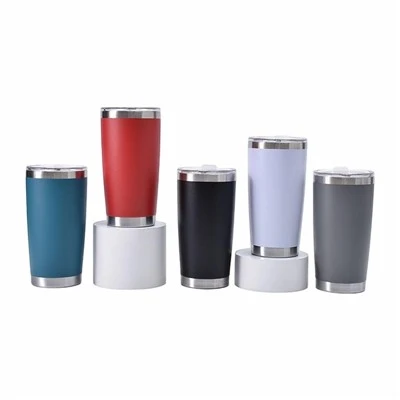
If you’re someone who’s been on the fence about adding enamel cookware to your kitchen for desserts, let me leave you with this: it’s not just for savory cooking anymore. It’s versatile, durable, and makes your desserts turn out better, plus cleanup’s a breeze. We supply all kinds of enamel bakeware for desserts—ramekins, loaf pans, pie plates, baking sheets, even small Dutch ovens for cobblers and deep-dish pies. If you’re a home baker looking to upgrade your pans, or a cafe owner wanting to stock durable bakeware for your menu, we’re here. We can hook you up with the right pieces, answer any questions, and make sure you get something that works for your needs. Just reach out to us to chat about your dessert cookware needs—we’d love to help.
Glass Lined Vacuum Flask References:
- U.S. Food and Drug Administration (FDA). 2022. Food Contact Materials: Enamel Cookware.
- International Association of Culinary Professionals (IACP). 2021. Bakeware Material Performance Report.
- The Spruce Eats. 2020. Enamel Cookware: Pros, Cons, and Uses.
Kairun International Co., Ltd.
As one of the most professional enamel cookware suppliers in China, we’re featured by quality products and good service. Please rest assured to wholesale customized enamel cookware made in China here from our factory. Welcome to contact us for more cheap products.
Address: NO.60 JIAZHAI,NANSHI DISTRICT,DONGYANG CITY,ZHEJIANG PROVINCE, CHINA
E-mail: lanzhou301@126.com
WebSite: https://www.kairunhouseware.com/
