What’s up, fellow metalheads and supply chain folks? If you’ve ever ordered carbon steel bars for construction, manufacturing, or even DIY projects and wondered, “How does this sturdy, everyday material actually get made?”—you’re in the right place. I’m Jake, I run a small steel bar supply company, and I’ve stood in enough production halls watching these bars roll out to know it’s not just slapping metal together. It’s a tight, controlled process—no shortcuts, no messy guesswork. Let me break it down like I’d explain it to a new warehouse intern, using real stuff I’ve seen, not just textbook jargon. Carbon Steel Bar
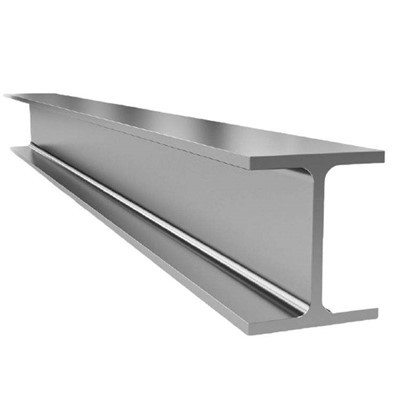
First off, let’s get one thing straight: carbon steel bars are just steel bars where the main extra element (other than iron, obviously) is carbon—usually between 0.05% and 2% by weight. That small amount of carbon is what makes them strong, rigid, and way more affordable than alloy steels with fancy nickel or chromium. But to get that mix right, you start with the raw materials, and trust me, it’s not just digging ore out of the ground. We use two main feedstocks these days: blast furnace iron from iron ore, or scrap steel from old cars, buildings, and industrial parts. Lately, scrap’s been more popular because it’s cheaper and way more eco-friendly—less mining, less waste. That’s a win for everyone, right?
Step one: melting the mix. If we’re using a scrap-based setup, that’s an electric arc furnace (EAF) 101. I’ve stood next to one that’s 30 feet tall, and it’s basically a giant metal bowl lined with heat-resistant bricks. We load in scrap steel, plus a little extra carbon (we call it carburizer) to hit that exact percentage we need, and maybe some manganese to add toughness. Then we drop three giant graphite electrodes down from the top, crank up the power, and zapp—superhot arc melts everything, hitting like 3,000°F. If we’re using blast furnace iron, that’s a basic oxygen furnace (BOF), but our shop runs EAFs mostly, so I can talk about that without messing up the details. Once everything’s molten, we test it right away with a quick sample—we shoot it into a spectrometer in like 30 seconds, adjust the carbon or add some lime to get rid of impurities (like sulfur or phosphorus that make steel brittle), pour off the slag (that crumbly, rocky gunk that floats to the top), and we’ve got liquid steel ready to go. No shortcuts here—get the mix wrong, and the bars will crack later, which is a nightmare for everyone.
Next up: shaping the bar. From molten steel, we pour it into big, square molds—those are our billets, basically semi-finished blocks of steel. Once they cool just enough that they’re solid but still warm (not cold enough to snap), we haul them over to the rolling mill. This is where the magic happens. The rolling mill has a whole line of huge, grooved rollers—like, massive metal wheels with matching notches that get smaller and smaller as the bar moves through. The billet starts as a 6-inch square, and each pass through the rollers squishes it just a little, narrowing it down to the diameter we want—from tiny 1/4-inch bars for DIY all the way up to 12-inch monster bars for bridge projects. This process is called hot rolling, and it’s key because it refines the steel’s grain structure, making it way stronger and more consistent than if you just cast a bar cold. I’ve seen these rollers moving so fast they blur, and the bar coming out is still glowing orange—you can feel the heat from 10 feet away. Hot rolling also gives bars that characteristic slightly textured surface, which is perfect for things like rebar that need to grip concrete, or any application where you need a little friction.
Wait, hold on—there’s a middle step I almost missed. Sometimes, after rolling, we do what’s called normalizing. That’s heating the bar back up to around 1,650°F, then letting it cool slowly in air. Why? Because hot rolling can leave little stress spots in the steel, like how a rubber band stretched too much stays bent. Normalizing relieves that stress, so the bar doesn’t warp later when it’s being cut or bent on a job site. It’s a quick, cheap step, but skimp on it, and you might have a contractor call you up at 2 a.m. saying their bars twisted mid-install. That’s a call I never want to take.
Once the bars are the right length and size—we cut them with giant saws, like industrial reciprocating saws with carbide blades—we move to the finishing line. First, we do a visual check, obviously. Any bar with a scratch, a bump, or a weird discoloration gets flagged and pulled; we don’t sell junk. Then, depending on what the customer needs, we can add a few optional finishes. Some folks want bars with a smooth, polished surface for machining parts, so we run them through a pickling bath—mild acid that washes off any scale (the flaky rust-like gunk from hot rolling) and leaves a shiny finish. Other customers, like construction companies, want black bars or even galvanized bars, but wait—no, carbon steel bars (rebar, specifically) sometimes get epoxy coated, but the base is still the hot rolled carbon steel. We also do straightening here, because even with normalizing, long bars can have a little warp from rolling. We run them through straightening machines with multiple rollers that nudge the bar back perfectly straight—super important if you’re cutting it to exact lengths for a custom project.
Then comes the testing part, which is non-negotiable for us. We don’t just dump bars on a truck and call it a day. Every batch gets test samples. We do tensile strength tests—pulling a small bar chunk with a hydraulic machine until it breaks, to make sure it can hold the amount of weight it’s supposed to. We check hardness too, with a little machine that presses a tiny ball into the steel and measures the indent, to make sure it’s not too soft or too brittle. For rebar, we bend samples 180 degrees around a pin—if it cracks, the whole batch gets rejected. I’ve seen a whole load get turned away once because the tensile strength was 5% low; that’s how we keep our reputation. No cutting corners here.
Now, let’s talk about some common misconceptions, because I get asked this all the time. A lot of people think all steel bars are the same, but no—carbon content changes everything. Low-carbon steel (up to 0.3% carbon) is super ductile, great for bending into wire or rebar. Medium-carbon (0.3-0.6%) is stronger, used for parts like axles or bolts. High-carbon (0.6-2%) is the hardest, used for springs or tools. We carry all three, but most of our customers are construction guys needing medium or low-carbon for rebar, or small manufacturers needing high-carbon for custom parts. And yeah, scrap is way more eco-friendly than using iron ore—for every ton of steel we make from scrap, we save like 2,500 pounds of iron ore, 1,400 pounds of coal, and 120 pounds of limestone. That’s a big deal, especially these days with everyone pushing for greener supply chains.
Another thing: when you’re buying carbon steel bars, make sure you ask for the grade. Common grades are 1018 (medium carbon, super versatile), 1045 (higher carbon, great for machining), and 1020 (low carbon, good for bending). I always tell new customers to tell me what they’re using the bars for, and I’ll point them to the right grade—no sense in paying for a high-grade bar when a cheaper, lower-grade one will work fine. I’ve had guys come in asking for 1045 just because “it’s strong,” when they only need 1020 for simple fence posts. I’m not here to upsell; I’m here to get them the right bar at the right price.
So, putting it all together: it’s a process that mixes raw materials, melts them to exact specs, shapes them with massive rollers, relieves stress, finishes them for your needs, and tests every step to make sure you get a bar that works. It’s not rocket science, but it’s precise—one wrong temperature, one off carbon mix, and the whole batch is garbage. That’s why we take it seriously.
If you need carbon steel bars for your next project—whether you’re building a house, making custom metal parts, or working on a small DIY job—hit me up. We have bars in all sizes, all grades, can cut them to exact lengths if you need, and our prices are fair (no hidden fees, no weird minimums). Just reach out to our team to chat about your requirements, and we’ll get you a quote fast. We work with big construction companies and small local shops alike, so no order is too big or too small.

Before I wrap this up, a quick shoutout: I learned most of this stuff from the old foreman at the steel mill where I started 15 years ago, back when I was just a grunt sweeping the floor. He’d always say, “A good steel bar only needs to be strong and reliable—don’t overcomplicate it.” That’s the rule we still live by today.
Carbon Steel Coil References:
- The World Steel Association. Steel Production Processes.
- American Iron and Steel Institute. Carbon Steel Bar Grades and Properties.
- Metal Supermarkets. How Carbon Steel Bars Are Made and Used.
Shanxi Midas Industrial Co., Ltd.
We’re known as one of the most professional carbon steel bar manufacturers and suppliers in China. With abundant experience, we warmly welcome you to buy cheap carbon steel bar made in China here from our factory. For price consultation, contact us.
Address: 28th, Huanqiu Jinrong Zhongxin, Xieyuan Road, Changfeng Business District, Taiyuan City, Shanxi Province, China
E-mail: midassteel@163.com
WebSite: https://www.midassteel.com/
