If you’ve ever stepped inside one of our 40ft expandable container houses—especially for off-grid stays, remote worksites, or permanent residential setups—you’ve probably thought about one of the most basic, non-negotiable needs: reliable, clean water. As a supplier who’s installed these units for everything from backcountry glamping resorts to remote construction camps and even small family homes in rural areas, I can tell you this isn’t a “nice-to-have” add-on. It’s the feature that turns a shipping container converted to a home into a functional, livable space. Over the last seven years, we’ve worked through every kink in adding water treatment to these expandable units, from sizing systems that fit the compact footprint to ensuring they hold up in extreme temperatures and high-use environments. Today, I’m breaking down exactly how we do it—science-backed, field-tested, and tailored specifically to the unique quirks of a 40ft expandable container house. 40ft Expandable Container House
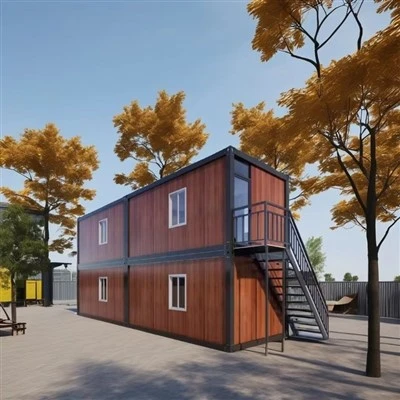
First, let’s talk about why this isn’t a one-size-fits-all process. A standard 40ft shipping container is 8ft wide and 40ft long when closed, and our expandable models extend to 20ft wide when deployed for extra living space. That limited square footage means we can’t stuff a bulky, industrial water filtration system into a closet or utility room. Also, these units are often used in places where municipal water doesn’t reach—think mountain towns, farmsteads, or areas with well water that has high iron, sediment, or even bacterial contamination. One of our clients in the Rockies had well water so full of rust that their faucets were staining white dishes within days; another in the Southwest had hard water so mineral-dense it clogged their shower heads after a month. The water treatment system we install for both of these needs is lightweight, space-efficient, and scalable, and it all starts with mapping the unit’s utility layout long before we set it on a foundation.
The first step in our process is assessing your water source and daily usage, because that dictates every other choice. For a 40ft expandable house, average daily water usage ranges from 50 gallons for a small weekend getaway unit to 120 gallons for a full-time family home with two adults and one child. If you’re pulling from a well, that’s your biggest variable: we test well water for pH levels, total suspended solids (TSS), iron, manganese, coliform bacteria, and any man-made contaminants like nitrates or pesticides if you’re near farmland. For municipal water, treatment is simpler, but municipal lines often add chlorine and fluoride, which can leave a bad taste or smell. We don’t guess on this—we work with local water testing labs to get a full breakdown, because a system that works for soft municipal water won’t cut it for a high-iron well. A recent example: a construction camp client in West Texas had well water with 7 ppm of iron and 1500 ppm of total dissolved solids (TDS). A standard sediment filter would’ve helped, but they needed a combination iron filter and reverse osmosis (RO) system that we sized to fit in the 3ft x 4ft utility nook we build into every expandable unit. That nook is a non-negotiable part of our design—we frame it with insulated walls, waterproof flooring, and pre-plumbed connections so we can fit treatment systems without cutting into living space.
Next, sizing the water storage and treatment components to fit the 40ft expandable’s compact footprint. Unlike traditional homes, which have basements or crawl spaces for large water tanks, our expandable units use two types of storage: a 50-gallon pressure tank for immediate household use, and a 100-gallon horizontal storage tank that slides under the unit’s expanded floor when deployed. Wait, you might be thinking—how does a tank fit under an expandable container? When we design the expandable units, we leave a 12-inch clearance between the bottom of the extended floor and the ground, which is exactly enough for a low-profile plastic or fiberglass tank. We mount these tanks with corrosion-resistant brackets to avoid damage from road vibration during transport, and we insulate them with closed-cell foam if the unit is in a cold climate to prevent freezing. For treatment, we use modular systems that stack vertically rather than sit side-by-side, which saves critical floor space. A standard stackable system for 120-gallon daily usage is only 18 inches wide and 3 feet tall—perfect for that utility nook. We also avoid metal tanks and pipe fittings because shipping containers are prone to condensation, and metal can rust or corrode over time, especially in humid coastal areas. All our pipes are food-grade PVC or PEX, which are lightweight, flexible, and easy to replace if needed.
Then comes the science of the treatment stages, which we tailor to your specific water quality, not a generic “one-size” system. We’ve found that a three-stage treatment process works for 90% of the locations our clients build in, and we can add a fourth stage for special contaminants. Let’s walk through that process step by step, using the West Texas construction camp example I mentioned earlier: first, a pre-filtration sediment filter. This is a pleated 5-micron polypropylene filter that catches large particles like sand, rust, and sediment. For the camp, we changed this filter every six months, but in areas with super sandy well water, we recommend changing it every three months. The second stage is an activated carbon filter. This isn’t just a basic carbon block—we use catalytic carbon, which is better at removing chlorine, volatile organic compounds (VOCs), and iron than standard carbon. For the camp’s high iron content, we added a third stage: a manganese dioxide filter (also called an iron oxidizing filter) that oxidizes iron so it can be trapped in the filter media, preventing staining and clogging. Finally, for their high TDS, we added a small RO system that’s sized to fit in the utility nook. The RO system only produces about 1 gallon of permeate (clean water) per 3 gallons of waste water, so we plumbed the waste line to drain into the unit’s grey water tank, which we use for flushing toilets or watering plants—no wasted water, perfect for remote areas where water hauling is expensive. For clients with municipal water that’s low in sediment but has a bad chlorine taste, we skip the iron filter and RO and stick to the sediment and carbon stages, which cuts down on cost and maintenance.
One of the biggest mistakes we see other suppliers make is not accounting for the expandable unit’s movement during transport and deployment. A standard 40ft expandable container is loaded onto a truck, moved over bumpy roads, and then extended and retracted multiple times—so all the water components need to be secured to prevent leaks. We mount all filters, pumps, and tanks to the utility nook’s floor using heavy-duty, vibration-dampening brackets, which stop parts from shifting during transport. We also use flexible PEX piping instead of rigid copper, because rigid pipes can crack when the unit is jostled or when it expands and contracts with temperature changes. Another trick we’ve learned: we install a pressure relief valve on the entire system, set to 40 psi, which matches the pressure of municipal lines and prevents the tank or pipes from bursting if pressure spikes. For off-grid units that use a well pump, we install a pressure switch that turns the pump on when the tank drops to 30 psi and off at 50 psi, which extends the pump’s life and keeps water pressure consistent throughout the unit. We also test every water system before it leaves our factory—we run water through it for 24 hours, check for leaks, test the water quality, and even simulate transport vibration using a shaker table to make sure nothing breaks. That’s a step most small suppliers skip, but it’s why our systems have a 98% uptime rate in remote locations.
Now, let’s talk about maintenance, because even the best system won’t work if you don’t keep up with it. Our expandable container houses are designed to be low-maintenance, and the water treatment system is no exception. We include a simple maintenance guide with every unit, and we offer optional yearly maintenance checks for clients who are remote. The key maintenance tasks are: changing the sediment filter every 3-6 months, changing the carbon filter every 12-18 months, sanitizing the system once a year with a non-toxic bleach solution, and testing water quality annually (or after a heavy rain, which can wash contaminants into well water). For the iron filter, we backwash it every 2-4 weeks using a small amount of water, which flushes out the trapped iron. We’ve designed the system so all filter housings are easy to access—no tools required to replace a filter, so even a client who’s not handy can do it in 5 minutes. For off-grid units that use solar power to run the pump and treatment system, we size the system to use less than 50 watts of power, so it doesn’t drain the solar panels. A 40ft expandable house’s solar setup usually has 2-3 100W panels, which is more than enough to power the water system even on cloudy days.
We’ve also adapted these systems for special use cases, which is part of why we love working with expandable containers. For glamping resorts, we add a UV sterilizer as a fourth treatment stage, which kills bacteria and viruses, making the water safe for drinking without the need for RO. That’s a big cost saver for resorts that don’t need ultra-pure drinking water for hundreds of guests a day. For farm units, we add a separate tap for untreated water that’s used for washing equipment or watering livestock, so you don’t waste treated drinking water on non-potable needs. For coastal units, we add a saltwater filtration system that desalinates brackish well water, which is a common issue in areas near the ocean where well water has high salt content. All of these modifications fit into the same 3ft x 4ft utility nook—there’s no need to add extra space to the unit to accommodate water treatment.
Over the years, we’ve heard from clients who told us they thought adding a water treatment system to an expandable container would be complicated or take up too much space, but our design has changed their minds. A family in rural Iowa used to haul water 10 miles every week before we added a 40ft expandable unit with a well water treatment system. Now, they have clean water for drinking, cooking, and bathing, and they only need to change the filters once a quarter. A construction camp in Wyoming told us that the water system was one of the first features they noticed when they moved into the unit, because it worked consistently even in temperatures that dropped to -20°F in the winter. We’ve tested our systems in temperatures from 110°F in Arizona to -30°F in Canada, and we always insulate the pipes and tanks in cold climates, adding heat tape to the utility nook if needed to prevent freezing.
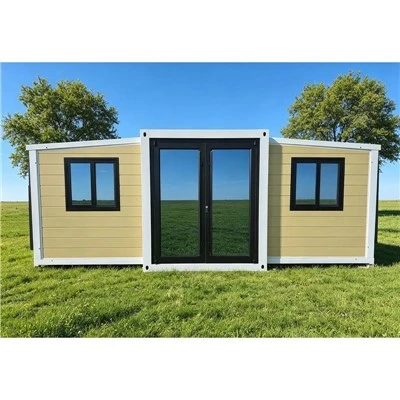
If you’re a property owner, resort operator, or business owner looking to add a functional, livable expandable container house, don’t let water treatment be an afterthought. It’s one of the most important features that will make your unit usable, whether it’s a weekend getaway or a full-time home. We don’t sell generic water systems—we customize every one to match your water source, usage needs, and the size of your 40ft expandable container. We’ve worked through every challenge: fitting bulky components into small spaces, adapting to transport vibration, handling extreme weather, and keeping maintenance simple. If you’re ready to design a 40ft expandable container house with a reliable water treatment system, we’re here to help. We can walk you through water testing, system sizing, and installation, whether you’re building one unit or a whole fleet for a resort or worksite.
Apple Cabin References:
- American Society of Plumbing Engineers. (2021). Water Treatment for Mobile and Compact Residential Structures.
- National Shipping Container Association. (2022). Modular Utility Design for Expandable Container Homes.
- Environmental Protection Agency. (2020). Private Well Water Testing and Treatment Guidelines.
- International Code Council. (2021). Residential Water Supply and Plumbing Code for Compact Structures.
- Water Quality Association. (2022). Modular Water Treatment Systems for Off-Grid Applications.
Tangshan Jingrong Trading Co., Limited
With abundant experience, we are one of the most professional 40ft expandable container house manufacturers and suppliers in China. Please feel free to wholesale customized 40ft expandable container house made in China here from our factory. For price consultation, contact us.
Address: Room 1103, Tangshan Rongtong Building, Lubei District, Tangshan City, Hebei Province.
E-mail: Linda@tscontainerhouse.com
WebSite: https://www.tscontainerhouse.com/
